ThermadorRepair Miami

87 conditions, 164 labels, all of them the manufacturer's own

Thermador error codes: what is on your display.

Type what you can see and the list filters to it — a number, an alarm, or the blinks on an oven with no display. Everything here is published by the manufacturer, on its website or in the service manual that ships inside the appliance, and this make says what its codes mean — so these pages go straight to what the code covers and what it still does not tell you.

  • 87 conditions, each with its own page
  • 164 code labels and signals covered
  • 57 you can act on yourself
  • from $95 diagnostic, credited to the repair

Book a visit

Book a diagnostic visit

Your model number and a line about what it is doing is enough to get started. We will confirm the earliest slot we can genuinely keep.

  • Diagnostic from $95, credited toward the repair when you go ahead
  • The work and the price in writing before anything is opened
  • A warranty on our workmanship
  • Miami-Dade, Broward and Palm Beach counties
  1. 01 You tell us the model and what the unit is doing. A photo of the display helps.
  2. 02 We come back with the earliest slot we can genuinely keep, not the earliest one that sounds good.
  3. 03 Diagnosis on site, then the scope and the price in writing before anything is opened.

Your details stay private. No spam, ever.

Loading the booking form…

The booking form is taking longer than it should. Call (305) 846-7685 and we will book the visit with you.

Find your code

Search the full list

Codes are written differently across generations — E24, E-24, E6103, E61-03 and four flashing lights are all the same condition. Type whatever you can see; spaces and dashes do not matter, and the older labels find the page too.

87 conditions covering 164 published labels and signals: the manufacturer's own support pages, the Professional Series wall-oven service table, and the alarms the refrigeration columns use instead of codes. If your code is not here, it is not necessarily invalid — some are shown only in service mode, and some are specific to a model year. Call (305) 846-7685 with the model number and what the display is doing.

Three ways to say one thing

On a machine with no display, the flashing lights are the code.

The same condition is published under different labels depending on how old the appliance is. A dishwasher that cannot get water out shows E24 or E25 on an older machine and E6102 or E61-03 on a newer one. A Professional wall oven with no digital display has no number to show you at all: three small lights on the panel blink out the digits instead — one blink, one blink, five blinks is E115 — and then all three light together to mark the end.

So there is one page here per condition rather than one per label, and every page names the others, blinks included. Type any of them into the search above and you will land in the same place.
Start from the symptom instead
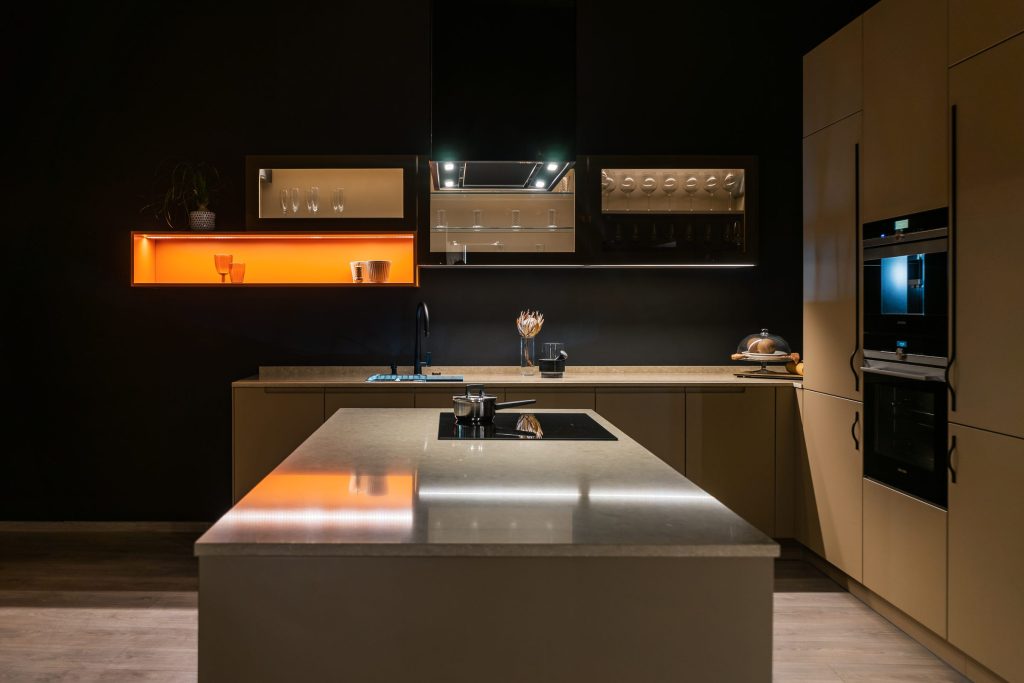
A dark contemporary kitchen lit by warm strip lighting, with a steel island and a tall oven column

Before you call

Four things worth having in front of you

Codes clear themselves, and the one thing nobody can recover afterwards is what the display actually said. These take a minute and they are usually the difference between one appointment and two.

Write it down

  • Photograph the display, every character of it — a code with a colon and a second number means both halves matter
  • Take the model number from the plate: the door edge on a dishwasher, the frame behind the door on an oven, the inside wall on a refrigeration column

Then try the free thing

  • Five minutes genuinely off at the breaker, not standby — it clears a real share of them
  • And note whether the code came back, because a code that survives that is a code that means something

No code, just lights?

A pattern of flashing lights is a code, and we can read it.

Plenty of this equipment has no display to show a code on — the Professional wall ovens in particular, which blink the digits out on three small lights, and the refrigeration columns, which use an alarm and a symbol rather than a number. How many blinks, in what order, or which symbol is lit, is as specific as any code.

Tell us the model number and what the lights are doing, and we will tell you whether it is something to check yourself or something to book. Call (305) 846-7685, or describe it in the form above.

By what it is doing

Start from the symptom instead

If the display is not telling you anything useful, start from what the appliance is doing. Each of these covers the likely causes cheapest first and what to check yourself.

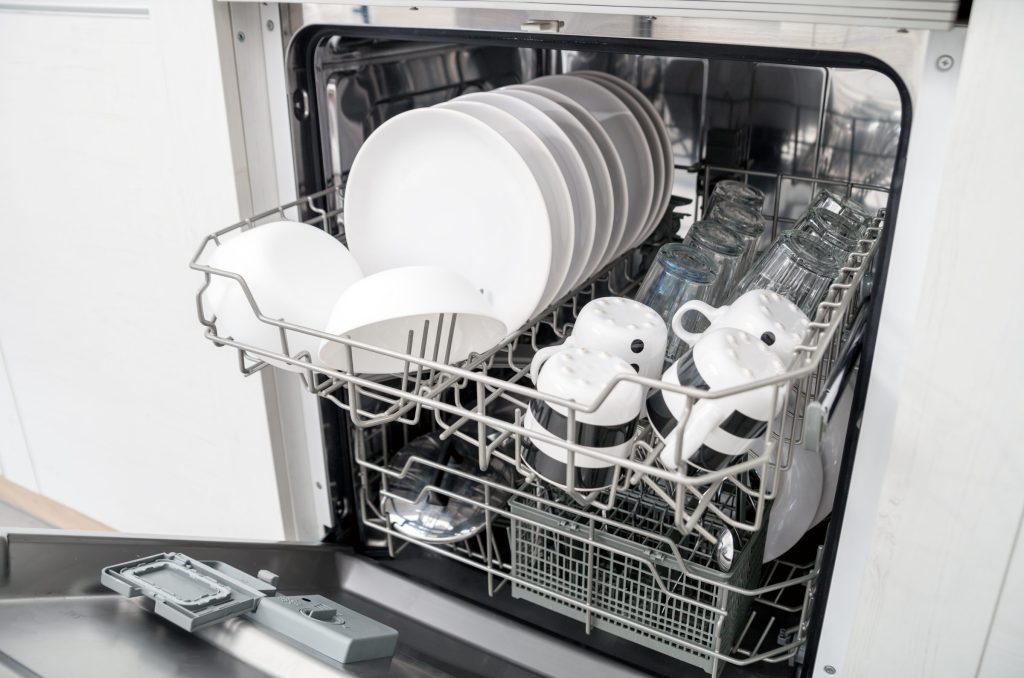
  • A dishwasher standing open with a full load of white crockery
    The most common call

    Dishwasher not draining

    Water standing in the bottom of the tub after a cycle. Two of the five causes come out by hand without tools, which makes this the symptom most worth five minutes before booking anything.

    What it usually means
  • Clear water spreading across a wood floor beside the fringe of a rug
    The machine stops itself

    Dishwasher leaking

    Water on the floor, or a machine that will not start and shows E15. The lockout is a protection working rather than a failure, and it clears once the pan is dry and the cause is found.

    What it usually means
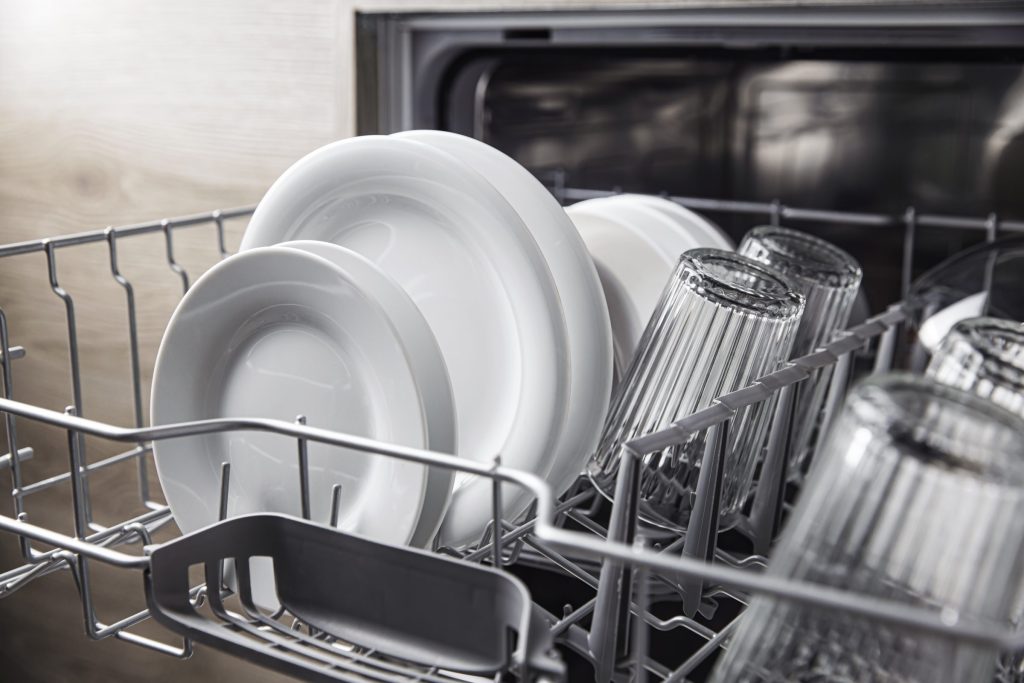
  • Glasses and plates standing in a dishwasher rack after a cycle
    Usually not a repair

    Dishwasher not drying

    Plastics coming out wet is how these machines are designed to behave. Glassware coming out wet is a different matter, and on this make the drying is a mineral chamber rather than a heating element.

    What it usually means
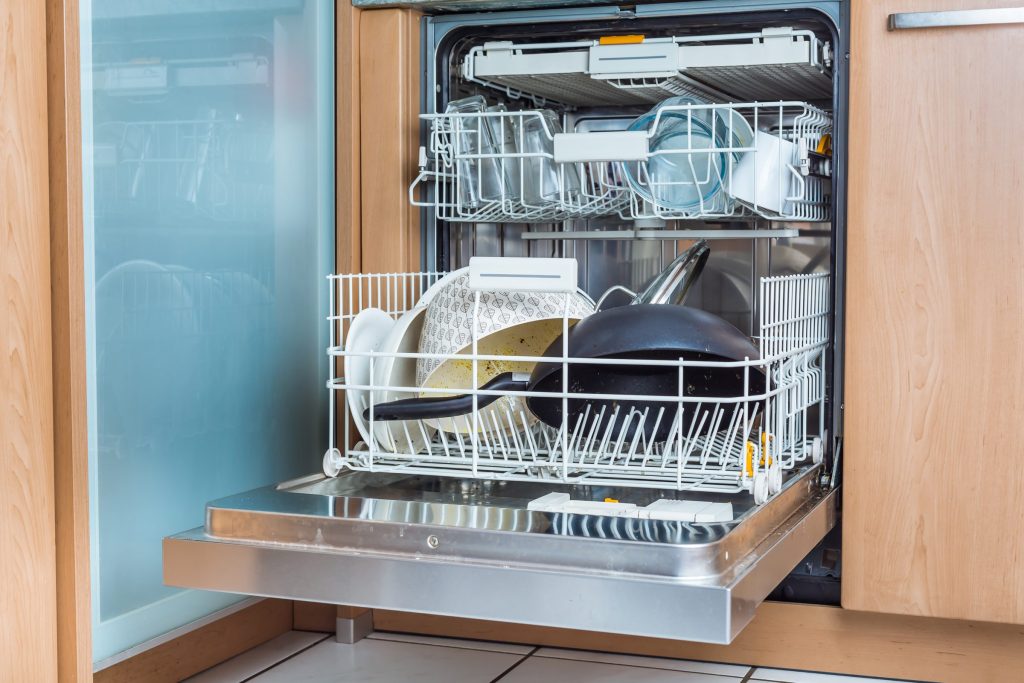
  • An integrated dishwasher, its door down, loaded with unwashed pans and plates
    Often the water, not the machine

    Dishwasher not cleaning properly

    Grit left on plates, a film on glasses, or detergent still sitting in the cup at the end. On hard water most of this is chemistry and loading before it is ever a part.

    What it usually means
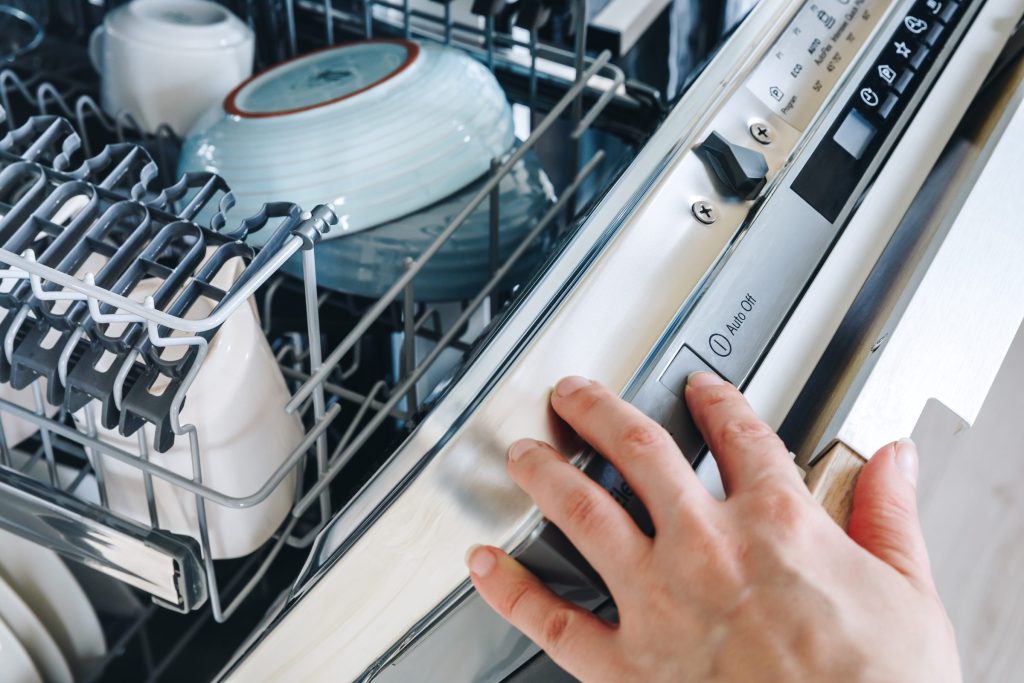
  • A hand pressing the start control on the top edge of an open dishwasher door
    Often a protection

    Dishwasher will not start

    A machine with lights on that will not run, or one that shows nothing at all. On this platform a machine that refuses to start is usually protecting itself, and the code says which protection.

    What it usually means
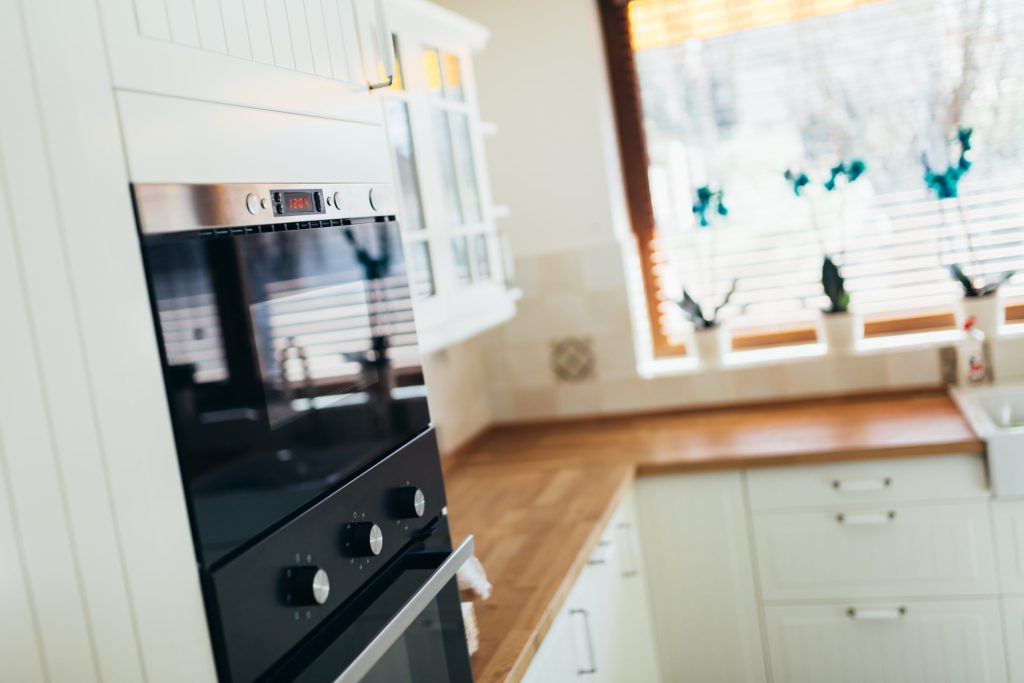
  • A black oven set under the counter in a bright kitchen
    The code says which half

    Oven not heating

    An oven that lights up, sets a temperature and never gets there — or does nothing at all. On a double oven the code tells you which cavity before anyone opens anything.

    What it usually means
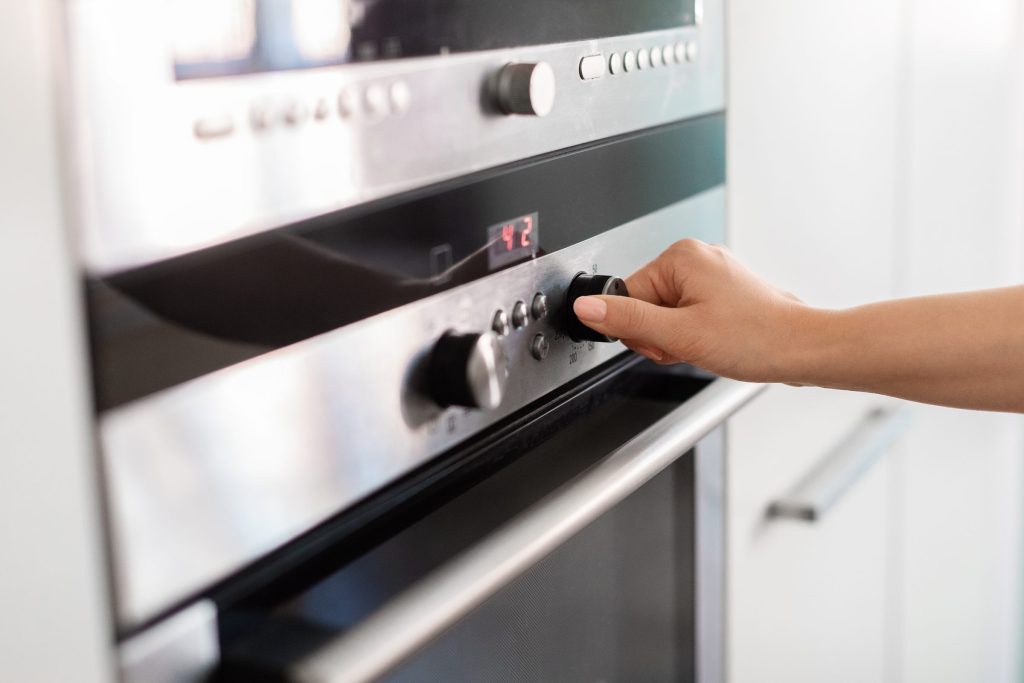
  • A hand turning the temperature dial on a stainless wall oven with a red display
    Measure before you judge

    Oven runs hot or cold

    Baking that has gone wrong at the same setting you have always used. A thermometer in the middle of the oven settles in twenty minutes what an argument about it never will.

    What it usually means
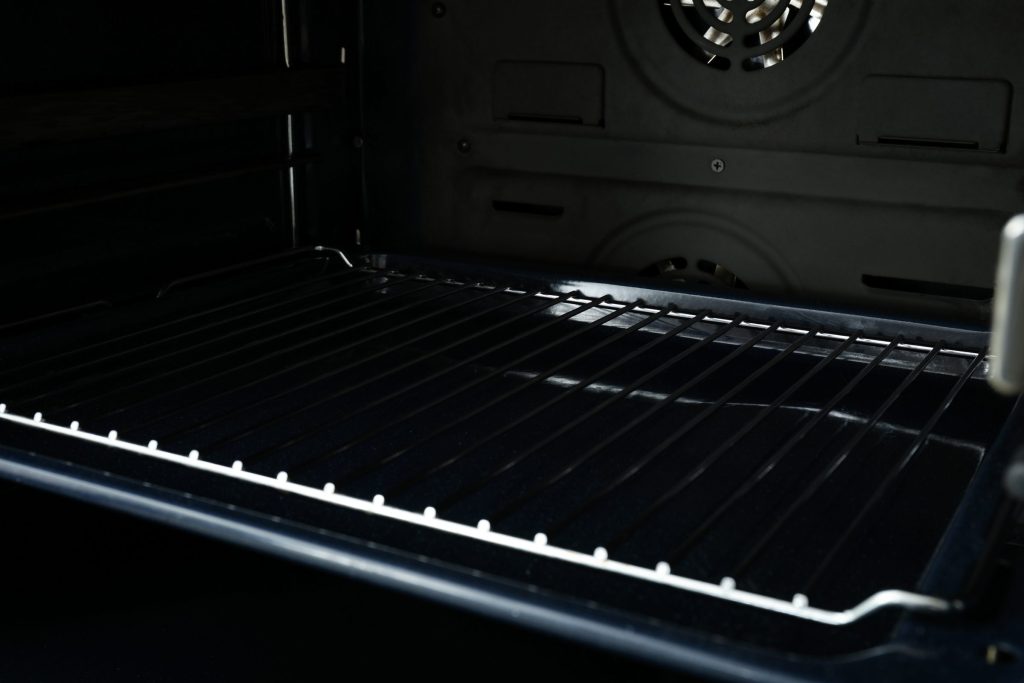
  • The dark interior of an oven with its rack in place, seen from the open door
    Do not force it

    Oven door locked shut

    A self-clean cycle that has finished and a door that will not open. The latch releases on temperature rather than on a timer, and forcing a professional door turns a small repair into a large one.

    What it usually means
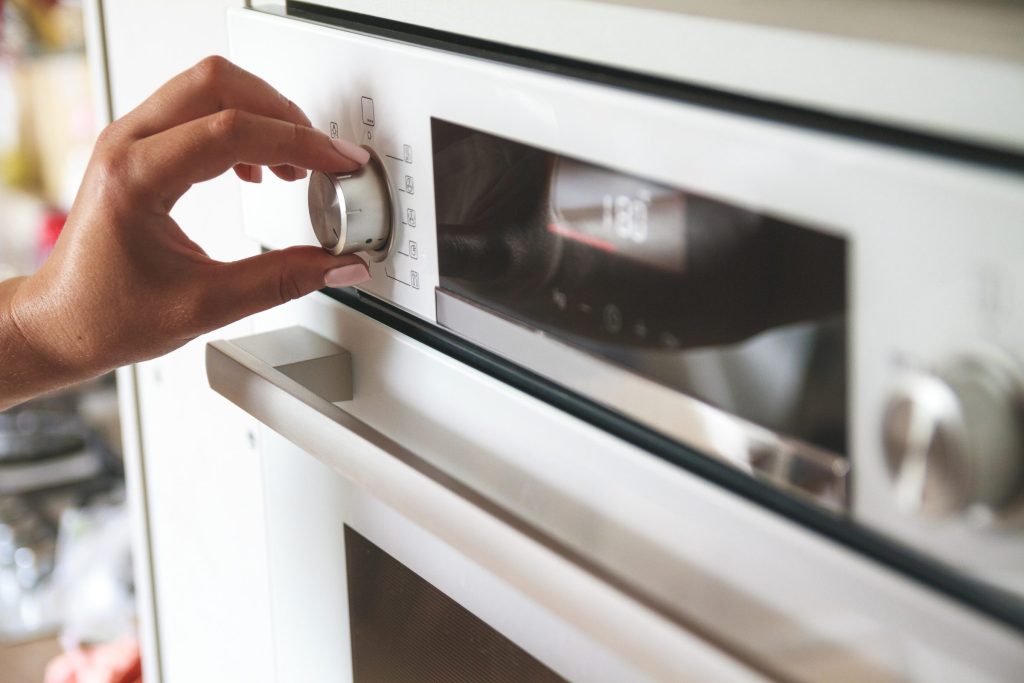
  • A hand on the control dial of a wall oven whose display reads 180
    Often steam, not electronics

    Oven controls not responding

    A touch panel that ignores you, repeats itself, or reports a key held down. On a panel above a cooktop the usual cause is condensation, and it clears when the panel dries.

    What it usually means
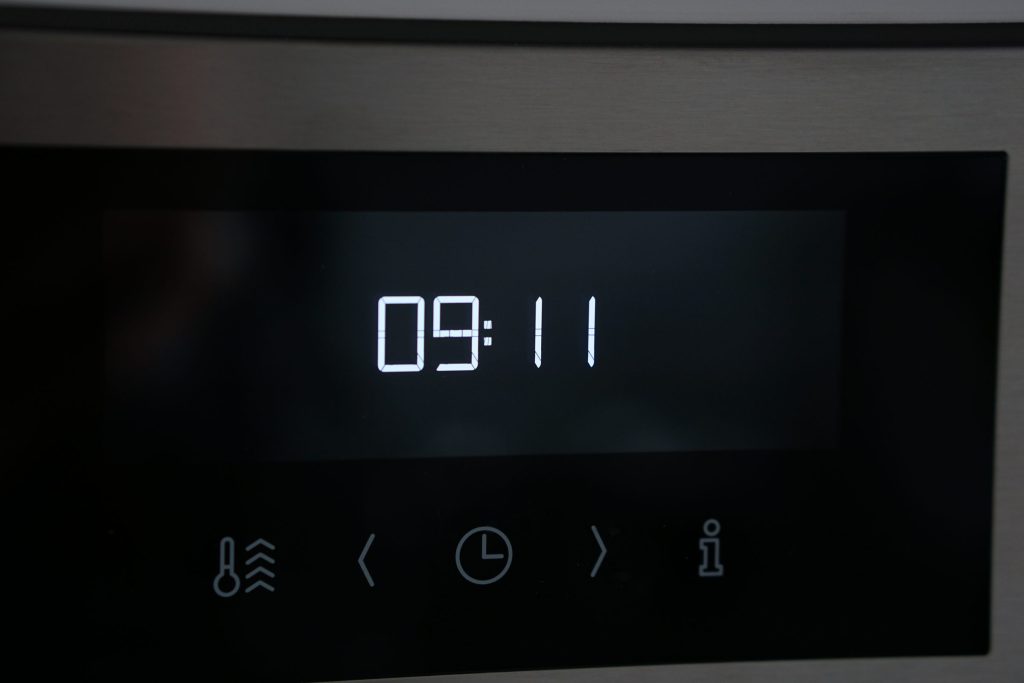
  • The dark touch panel of a wall oven showing the time and its symbols
    The lights are the code

    Oven blinking lights and no display

    On the Professional wall ovens without a digital display, three small lights blink out the digits of an error code. Count the blinks and you have a number you can look up.

    What it usually means
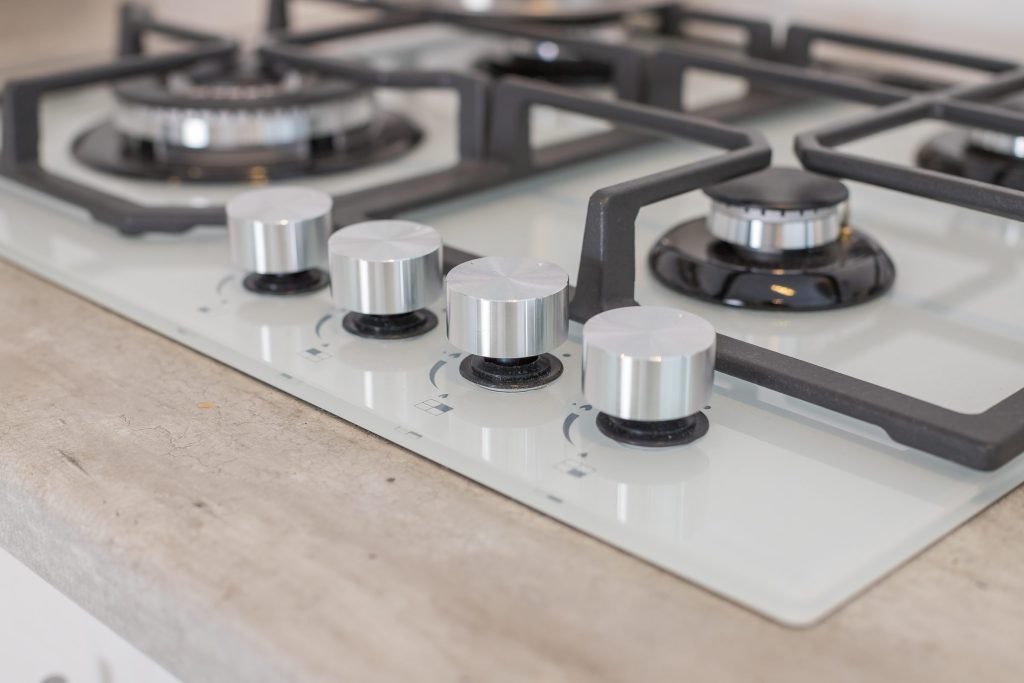
  • A white gas cooktop with black grates and heavy steel knobs
    Usually cleaning, not parts

    Range burner will not light

    A burner that clicks and clicks without catching, or one that lights and goes straight out. On a professional gas top most of these are a cap out of place or ports blocked after a boil-over.

    What it usually means
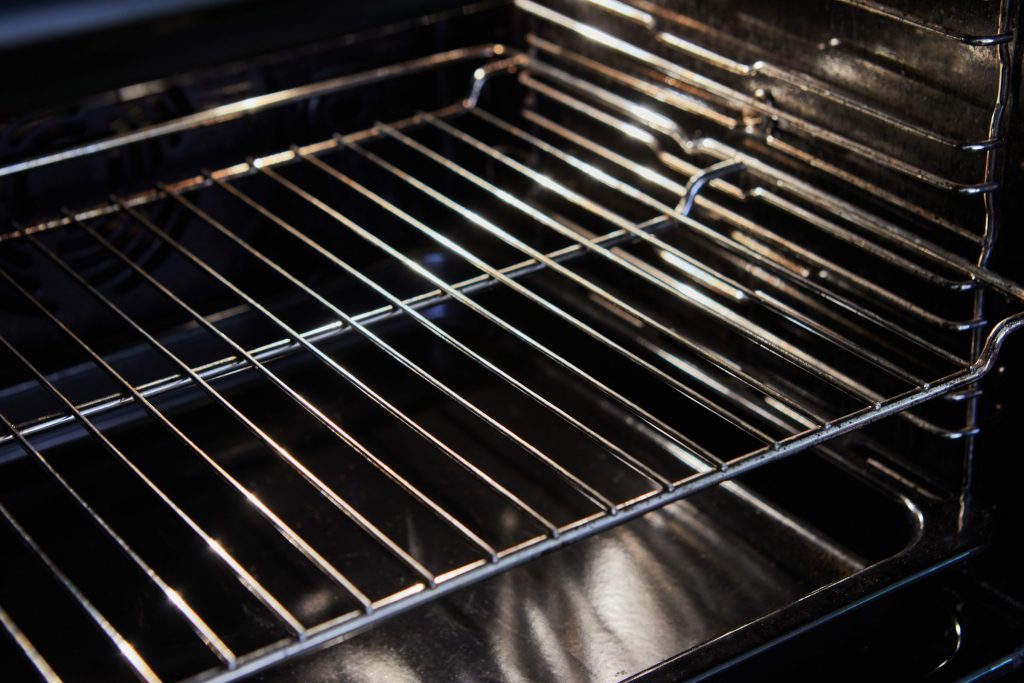
  • A clean empty oven with a wire rack, lit from inside
    Separate new from wrong

    Oven smoking or smelling

    Smoke during a bake, a burning smell on first use, or an odor that has appeared since the last clean cycle. Most of it is what is in the oven rather than the oven itself.

    What it usually means

About codes

What people ask us about error codes

Is there a Thermador error code list I can download?

The manufacturer publishes its codes across its own support pages, one page per appliance. The list here is compiled from those so you can search all of them at once, with the older and newer labels for each condition side by side. We do not reproduce the manufacturer's own wording or repair procedures.

My oven shows no code at all — just lights blinking.

On the Professional wall ovens without a digital display, that is the code. Three lights on the panel blink out its digits in order, left to right, then all three come on together for a second and the sequence repeats. Count each group of blinks and you have the number: one, one, five is E115. Those pages are in this archive alongside the ones with a display.

How do I clear a code?

Five minutes genuinely off at the breaker clears a good number of them. Clearing a code does not fix what caused it — if it returns, it is telling you something. Photograph the display before you cut the power; the code will be gone afterwards.

My refrigerator column has no code, only an alarm.

That is normal for this make: Thermador publishes no refrigeration error codes at all, and the column tells you things a different way — the temperature flashing with the alarm symbol, a door signal, a flashing water filter symbol, or a display that goes dark on low voltage. Those are in this archive as well, with what each one means and the self-test you can run before calling anybody.

The code says what is wrong. Why would I need a technician?

Sometimes you do not, and about two thirds of the conditions here are things an owner can act on. What a published cause names is a circuit rather than a component: a drain code covers a filter, a pump, a loose cover, a kinked hose and an air gap, and four of those five you can handle yourself.

Photograph the display, then tell us the model.

Those two things are usually enough for us to say what is likely, what it involves, and what it should cost before anyone comes out.

This article is based on:

  • Official manufacturer documentation
  • Internal repair procedures
  • Technician repair history
  • Company quality standards
Call (305) 846-7685