Error code
Thermador oven error code E106
Thermador error code E106: the self-clean latch has not reached its locked position, so the clean cycle cannot start — E106 for the upper cavity, E206 for the lower one. What the code covers, what to check first, and what it does not tell you — on wall ovens & steam ovens.
- From $95 diagnostic, credited to the repair
- 59 cities and neighborhoods covered
- OEM parts available on order
- In writing the price, before anything is opened
What we can confirm
Code E106, from the manufacturer's own documentation
A code is only meaningful together with the generation showing it — the same two digits mean different things across generations.
The code
E106
The self-clean latch has not reached its locked position, so the clean cycle cannot start — E106 for the upper cavity, E206 for the lower one
or call (305) 846-7685
What it narrows down to
Latch will not lock
What you are probably seeing
Diagnostic
From $95, credited to the repair
What it looks like from the kitchen
The symptom this code usually arrives with
A code names the subsystem; the symptom is what sent you to look at the display in the first place. That page says what it usually turns out to be, cheapest cause first.
-
Do not force it Oven door locked shut
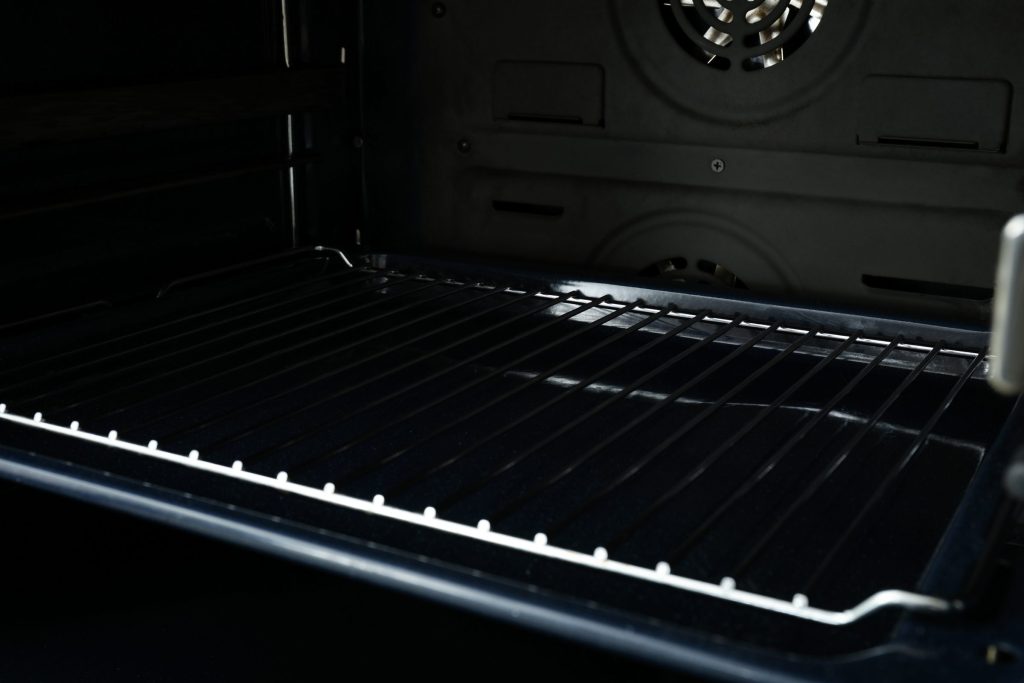
A self-clean cycle that has finished and a door that will not open. The latch releases on temperature rather than on a timer, and forcing a professional door turns a small repair into a large one.
- Door locked after a clean cycle
- Self-clean that will not start at all
- A latch code in the hundreds
In more detail
About Thermador oven error code E106
What this one means
The self-clean latch has not reached its locked position, so the clean cycle cannot start — E106 for the upper cavity, E206 for the lower one. It is a code the manufacturer publishes for this appliance, not one we have worked out — and it is decoded here rather than left as three characters on a display.
The other ways your machine may say it
The two labels are the two cavities of a double or triple oven, not two ages of machine — E1xx is the upper cavity and E2xx the lower, and the number tells you which one to look at:
- E106, E206
- Three LEDs on the panel blinking out the digits 1, 0 and 6 — how a model with no digital display says it. On that machine, the lights are the code
What the code covers
A published cause names a circuit rather than a component, which is the single most useful thing to know before ordering a part. This one covers:
- The latch motor and its microswitches
- The linkage, which can be stiff on an oven that is never self-cleaned
- The harness to the control module
Worth doing before you call
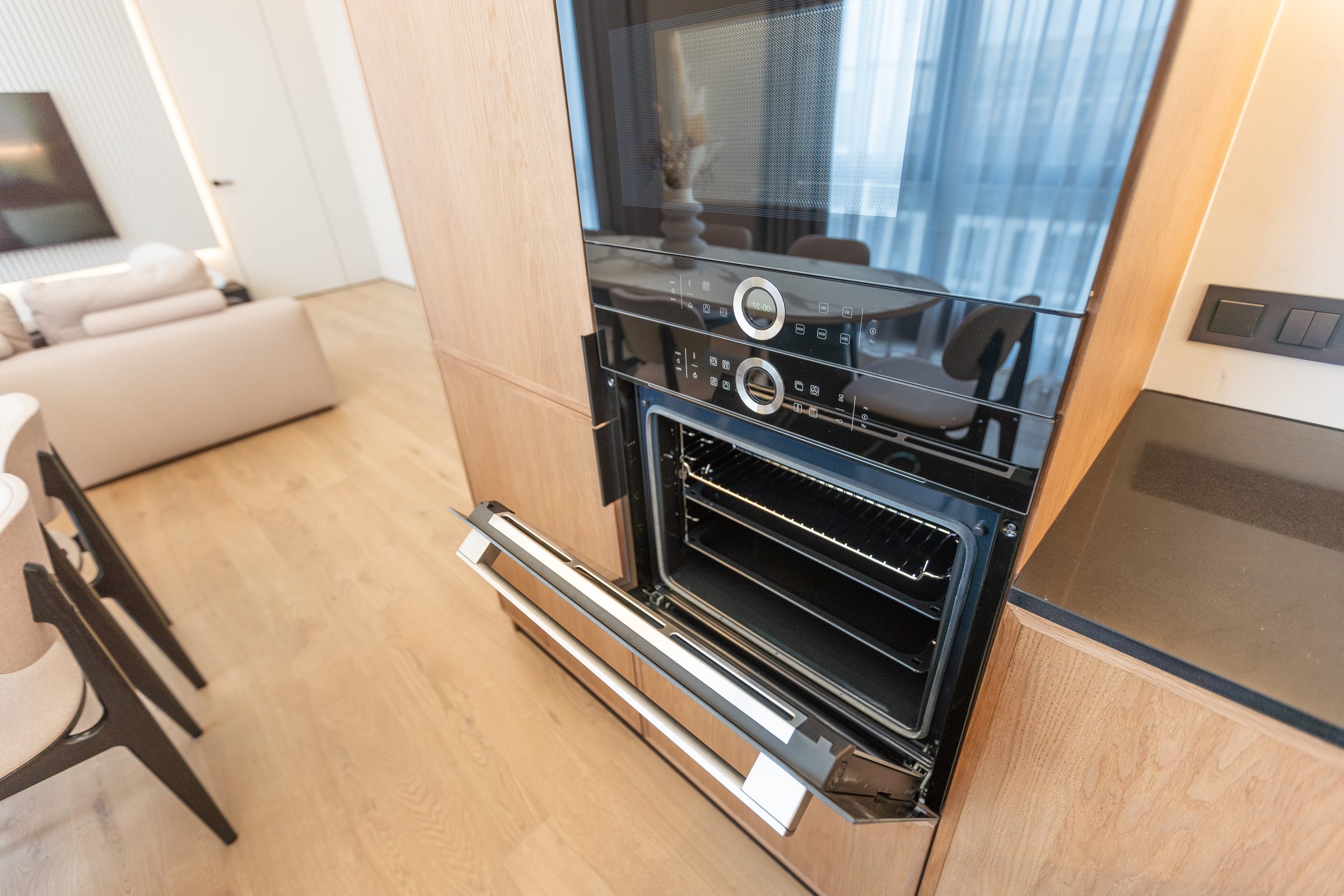
- Check nothing is caught in the door seal along the top edge, which is where the latch travels
Then what
The oven still bakes with this one; it is the clean cycle that will not start. The latch assembly comes out from the top of the cavity, so it is a visit rather than a clean-and-retry.
This code is published for wall ovens & steam ovens. The full list of codes has the rest of them, searchable, including the labels older and newer machines use for the same conditions.
This article is based on:
- Official manufacturer documentation
- Internal repair procedures
- Technician repair history
- Company quality standards