The number is what makes the parts right
This equipment is built in, and a built-in appliance is ordered to a size and a configuration rather than picked off a shelf. Two units that look identical in a kitchen can take different doors, different panels and different boards. The model number on the plate settles all of that before anybody is dispatched, which is why it is the first thing we ask for and the reason a repair here often finishes on the first visit.
Where the plate is
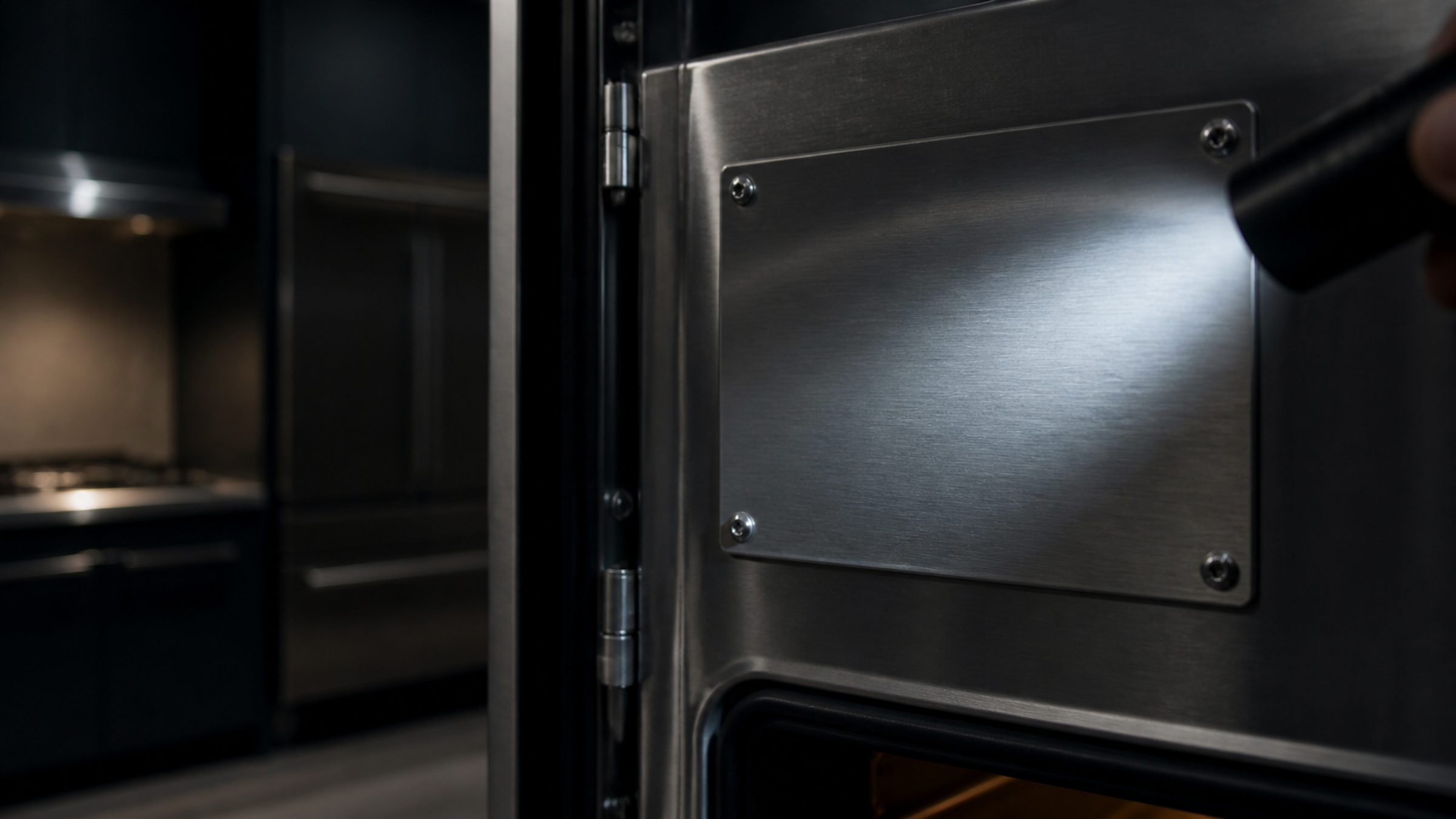
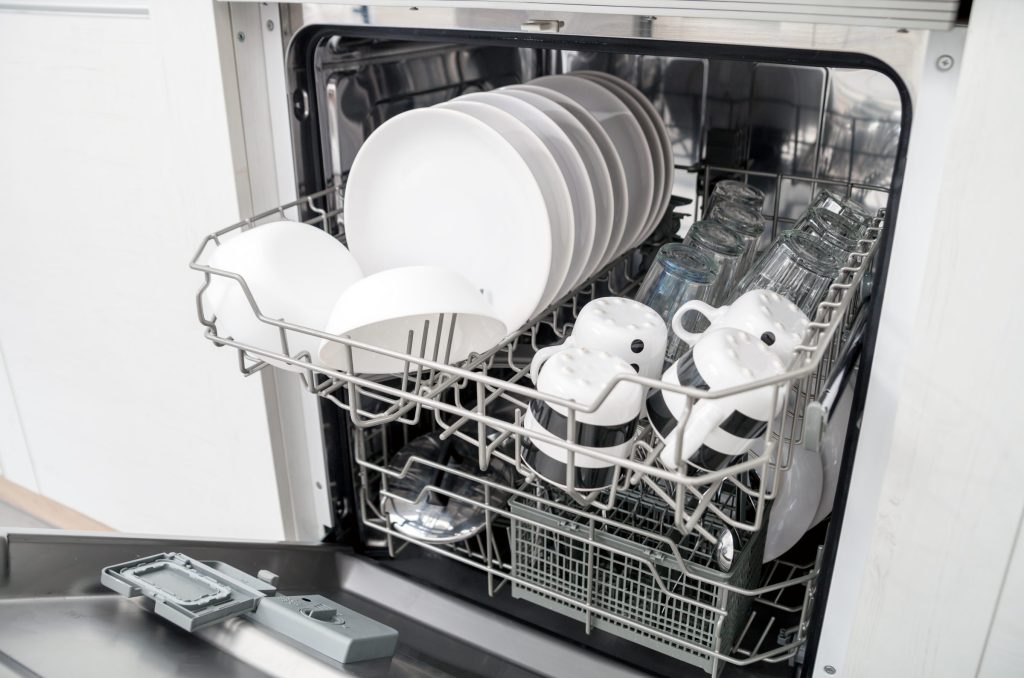
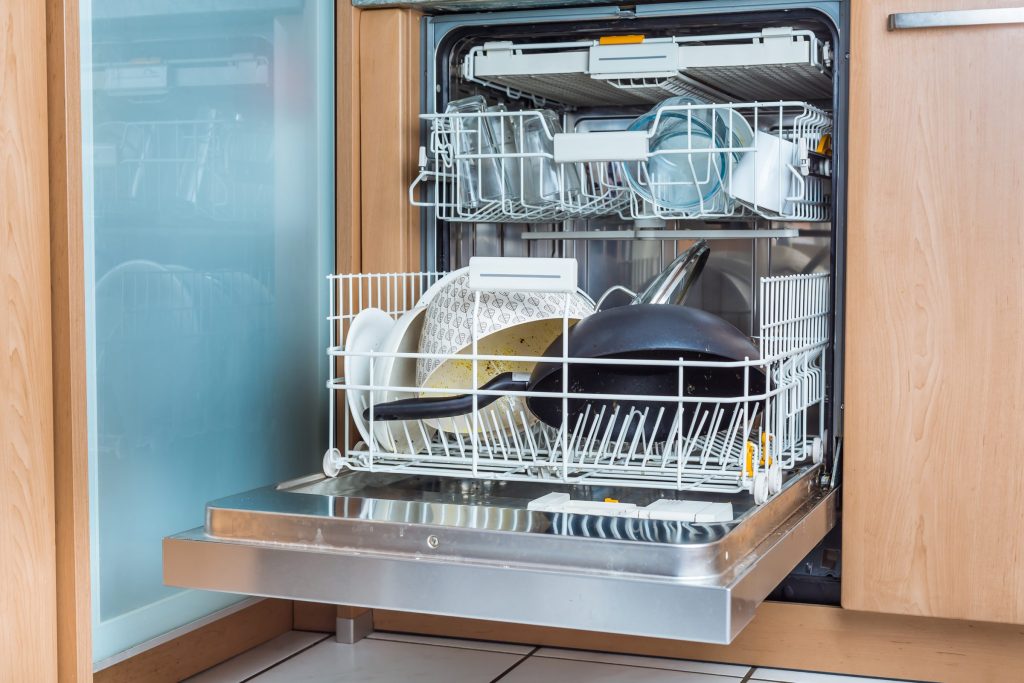
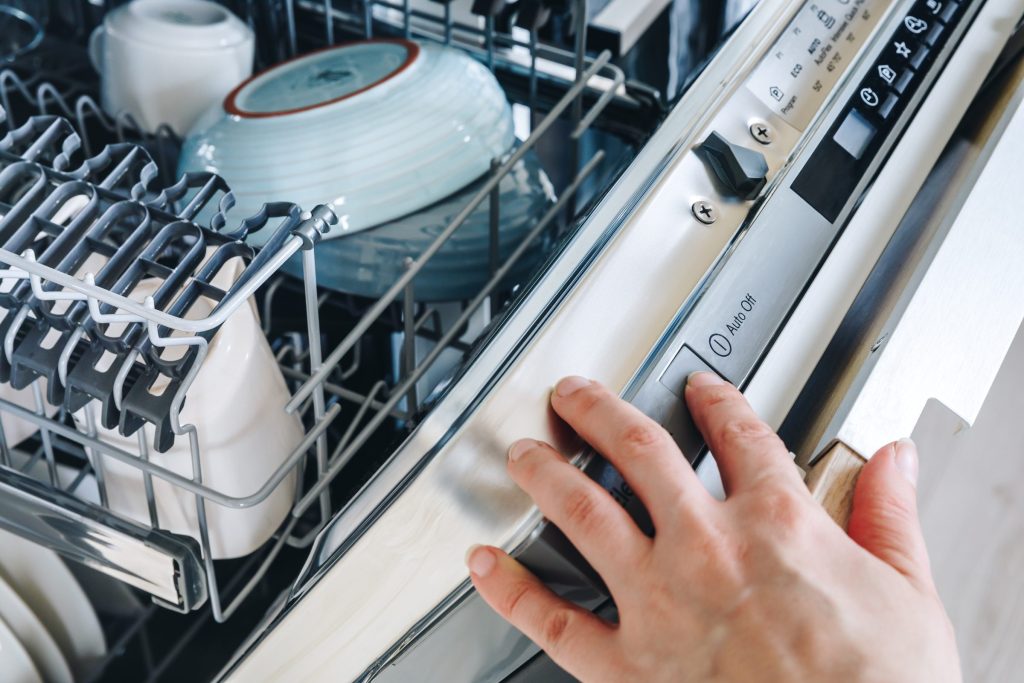
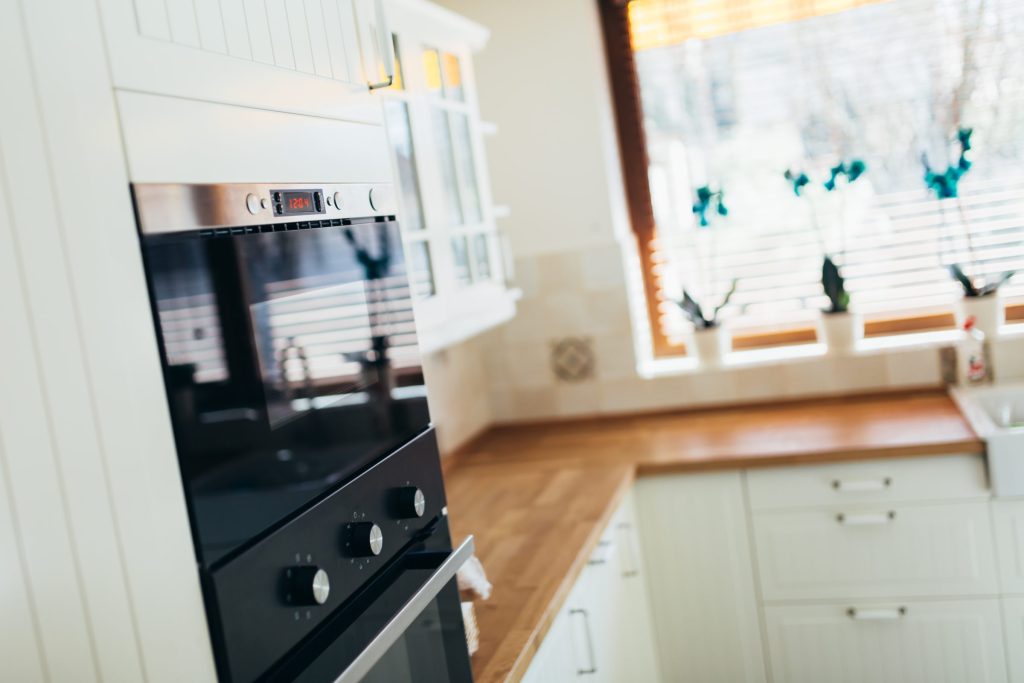
On a built-in refrigerator or freezer column it is on the inside wall, usually along the upper left, visible with the door open. On a dishwasher it is on the tag on the right-hand edge of the door. On a wall oven it is on the frame behind the door, and on a professional range it is behind the kickplate at the bottom or on the frame under the control panel. Photograph the whole tag rather than typing it out: the suffix after the digits is the half that decides parts and the half people leave off.
Freedom, Masterpiece and Professional are not model numbers
They are how the range is arranged, and they are genuinely useful for describing an appliance – but they do not identify a build. Two Masterpiece wall ovens of different years can carry different control boards. When a parts counter is given a line name instead of a model number, the answer that comes back sounds confident and is a guess.
If the plate is unreadable
Salt air does this, and it is ordinary near the water. Send a photograph of whatever is left, along with the appliance type and roughly when it was installed, and we narrow it down from the serial or from what is visible. It does not stop a repair and it is not unusual.
This list is not the limit
The numbers here are the ones people ask about most, not the machines we work on. If yours is not on the page, send it anyway: we cover the current line across Miami-Dade, Broward and Palm Beach, and older equipment for as long as parts are still made.
 English