

ThermadorRepair Miami

24 symptoms, cheapest cause first

Start from what it is doing, not from what it might be.

Nobody searches for a control module. These pages start from the behavior you can see, list what it usually turns out to be with the cheap causes first, and say plainly when you do not need us — four of them exist mainly to save you a visit.

  • 24 symptoms, each with its own page
  • 87 error codes and signals decoded
  • 4 pages that tell you not to call
  • from $95 diagnostic, credited to the repair

By what it is doing

Find the behavior, then the cause

Each page lists the likely causes cheapest first, what to check yourself, and which repair answers it if none of the free checks do.

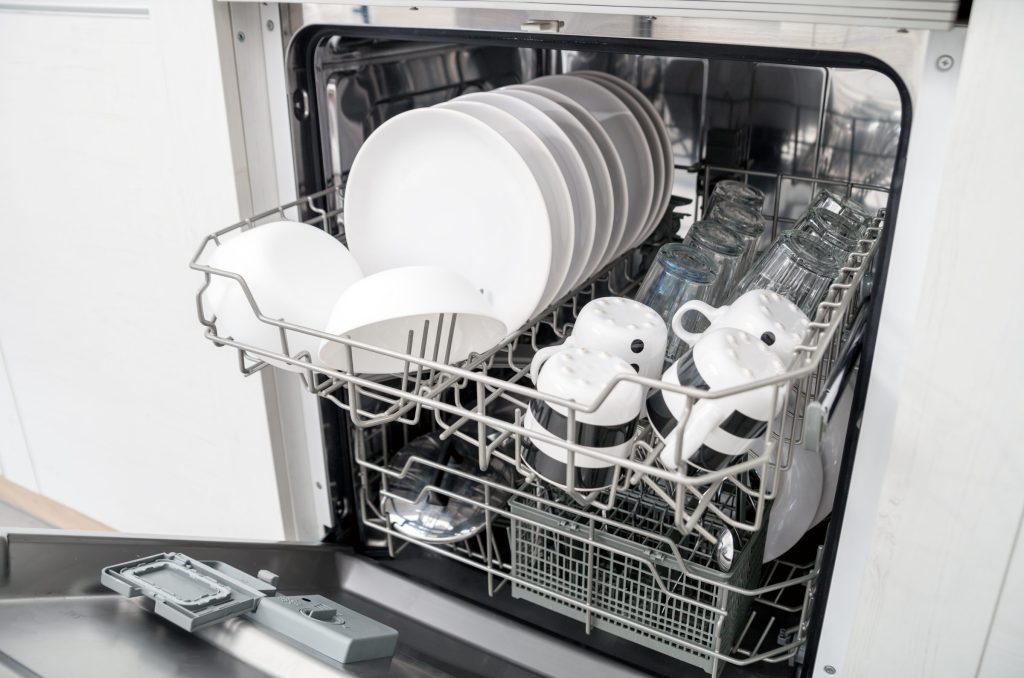
  • A dishwasher standing open with a full load of white crockery
    The most common call

    Dishwasher not draining

    Water standing in the bottom of the tub after a cycle. Two of the five causes come out by hand without tools, which makes this the symptom most worth five minutes before booking anything.

    • Standing water after every cycle
    • A code in the twenties, or an E61 label
    • Dishes clean on top, wet and gritty below
    What it usually means
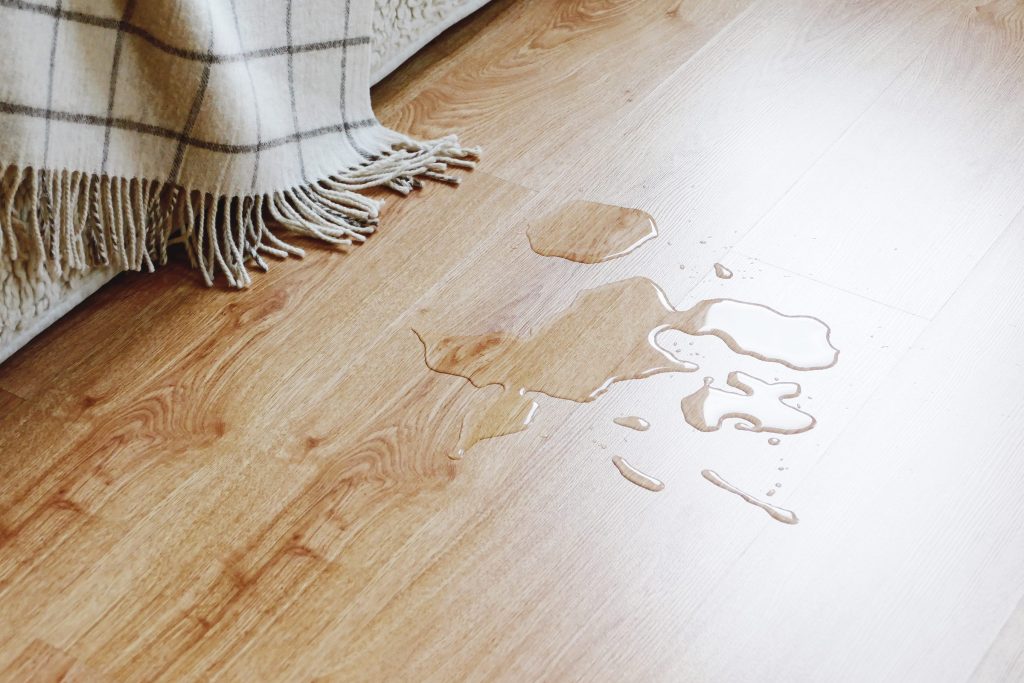
  • Clear water spreading across a wood floor beside the fringe of a rug
    The machine stops itself

    Dishwasher leaking

    Water on the floor, or a machine that will not start and shows E15. The lockout is a protection working rather than a failure, and it clears once the pan is dry and the cause is found.

    • E15 and the anti-flood lockout
    • A damp patch at the front of the cabinetry
    • A machine that runs, then stops mid-cycle
    What it usually means
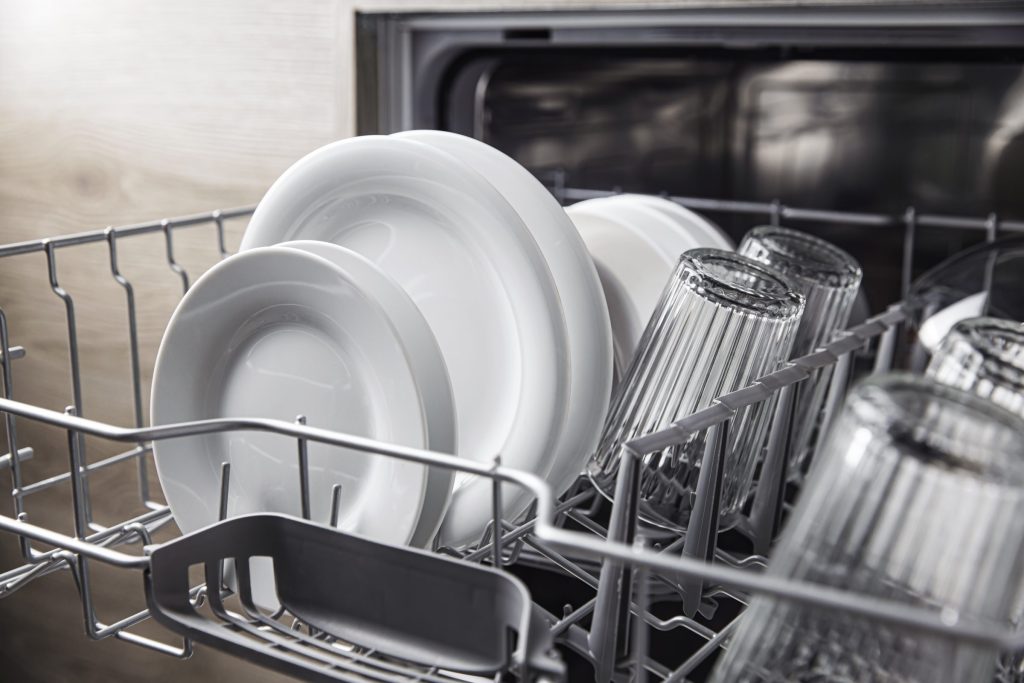
  • Glasses and plates standing in a dishwasher rack after a cycle
    Usually not a repair

    Dishwasher not drying

    Plastics coming out wet is how these machines are designed to behave. Glassware coming out wet is a different matter, and on this make the drying is a mineral chamber rather than a heating element.

    • Plastics wet, glass and steel dry
    • Everything wet, including glass
    • Drying noticeably worse than it used to be
    What it usually means
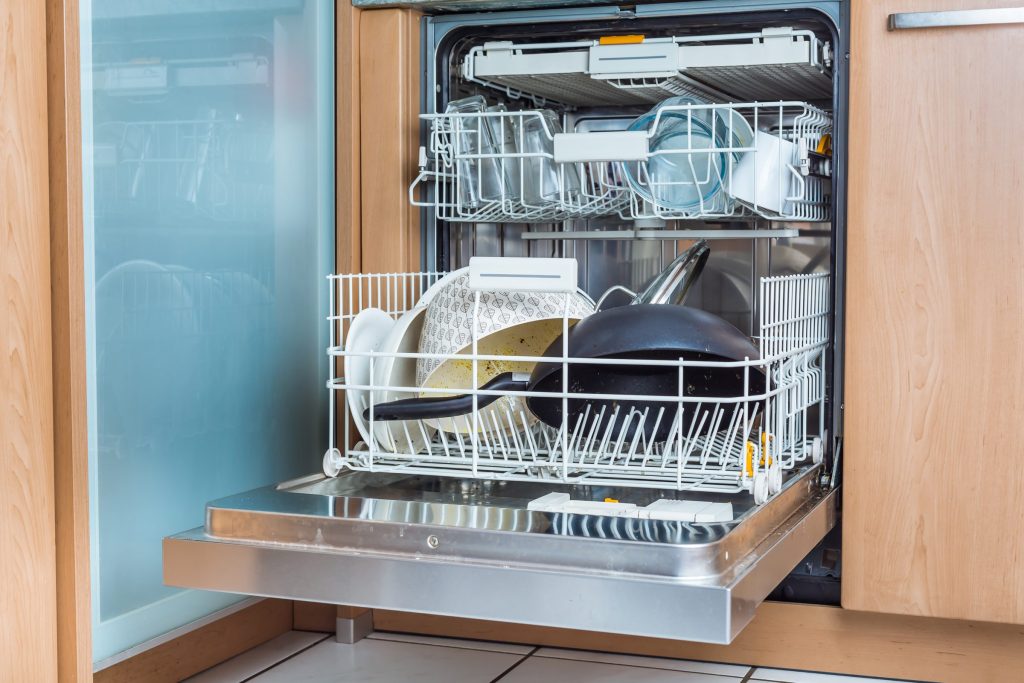
  • An integrated dishwasher, its door down, loaded with unwashed pans and plates
    Often the water, not the machine

    Dishwasher not cleaning properly

    Grit left on plates, a film on glasses, or detergent still sitting in the cup at the end. On hard water most of this is chemistry and loading before it is ever a part.

    • Grit or food left on the lower rack
    • A cloudy film on glassware
    • Detergent still in the dispenser afterwards
    What it usually means
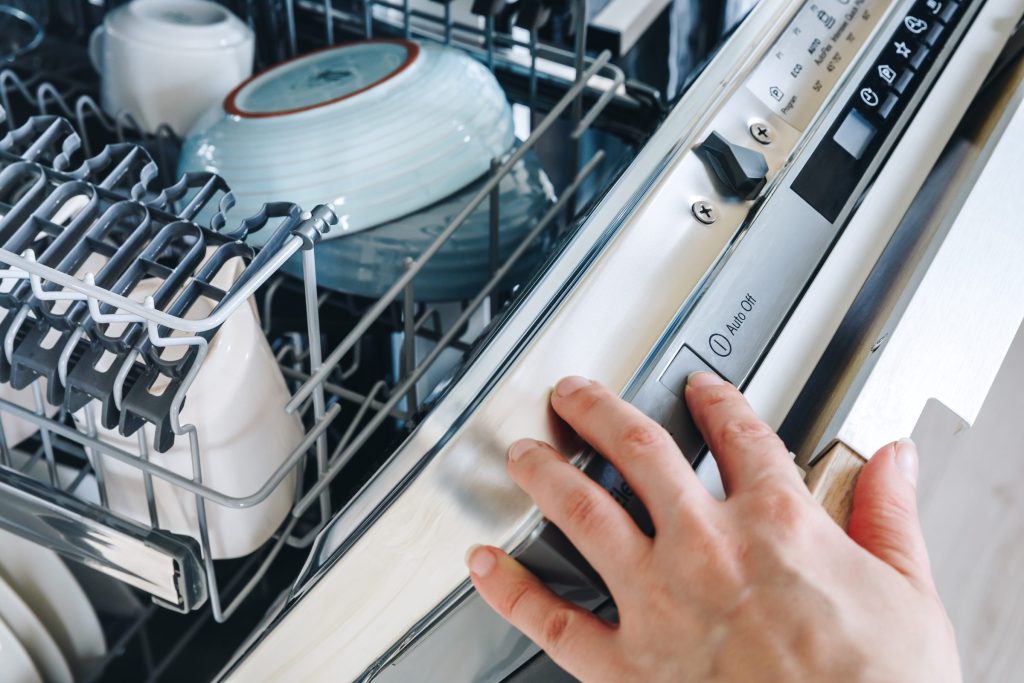
  • A hand pressing the start control on the top edge of an open dishwasher door
    Often a protection

    Dishwasher will not start

    A machine with lights on that will not run, or one that shows nothing at all. On this platform a machine that refuses to start is usually protecting itself, and the code says which protection.

    • Lights on, nothing happens
    • A code showing before the cycle begins
    • Dead panel, no lights at all
    What it usually means
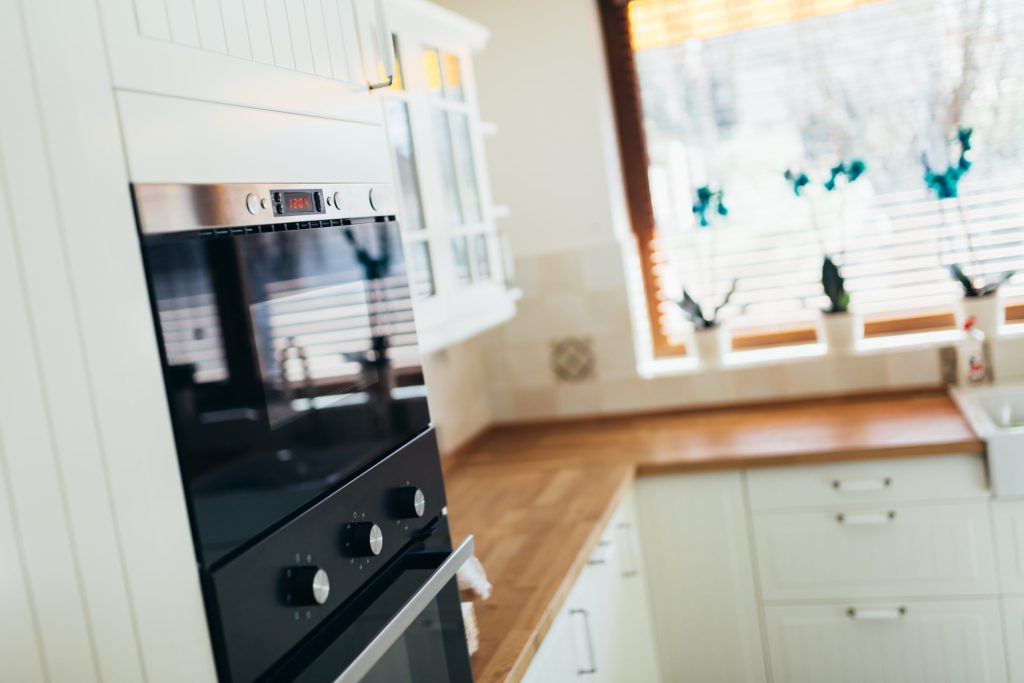
  • A black oven set under the counter in a bright kitchen
    The code says which half

    Oven not heating

    An oven that lights up, sets a temperature and never gets there — or does nothing at all. On a double oven the code tells you which cavity before anyone opens anything.

    • Sets a temperature and stays cold
    • One cavity works, the other does not
    • A code beginning E1 or E3
    What it usually means
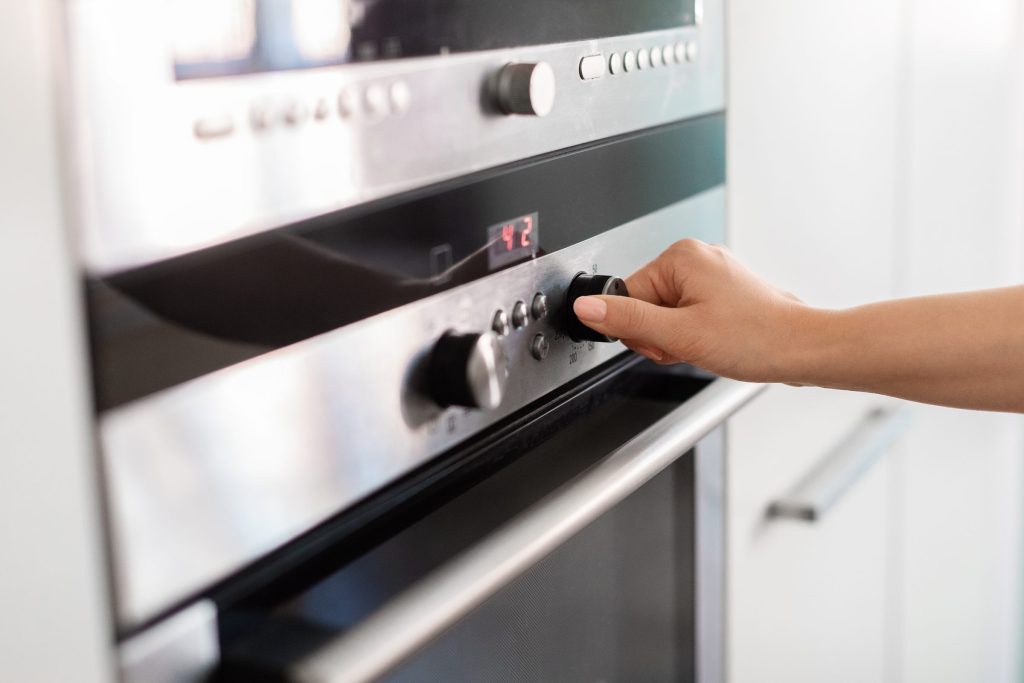
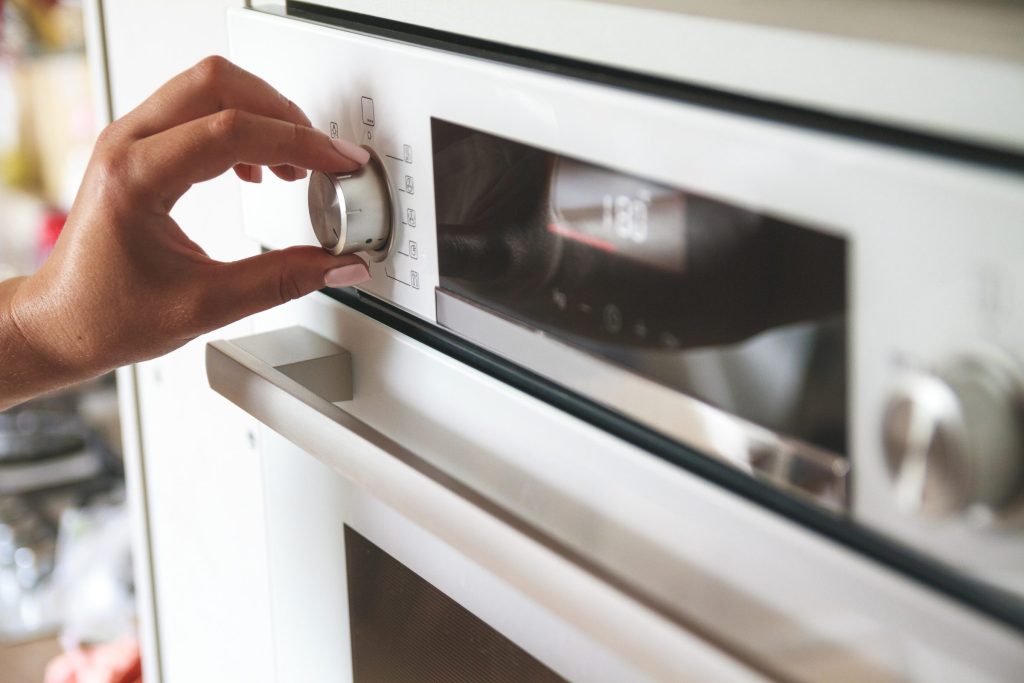
  • A hand turning the temperature dial on a stainless wall oven with a red display
    Measure before you judge

    Oven runs hot or cold

    Baking that has gone wrong at the same setting you have always used. A thermometer in the middle of the oven settles in twenty minutes what an argument about it never will.

    • Everything browning too fast, or not at all
    • A consistent offset at every setting
    • A code in the E1 or E2 hundreds
    What it usually means
  • The dark interior of an oven with its rack in place, seen from the open door
    Do not force it

    Oven door locked shut

    A self-clean cycle that has finished and a door that will not open. The latch releases on temperature rather than on a timer, and forcing a professional door turns a small repair into a large one.

    • Door locked after a clean cycle
    • Self-clean that will not start at all
    • A latch code in the hundreds
    What it usually means
  • A hand on the control dial of a wall oven whose display reads 180
    Often steam, not electronics

    Oven controls not responding

    A touch panel that ignores you, repeats itself, or reports a key held down. On a panel above a cooktop the usual cause is condensation, and it clears when the panel dries.

    • Panel unresponsive or erratic
    • A code about a key being held
    • Dead panel with no lights at all
    What it usually means
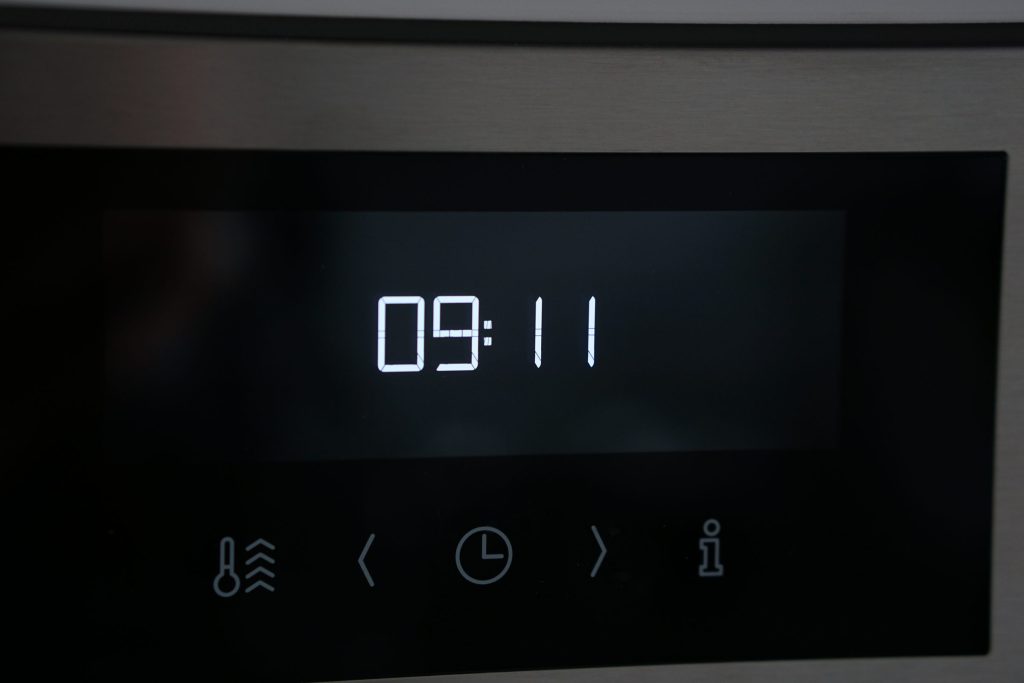
  • The dark touch panel of a wall oven showing the time and its symbols
    The lights are the code

    Oven blinking lights and no display

    On the Professional wall ovens without a digital display, three small lights blink out the digits of an error code. Count the blinks and you have a number you can look up.

    • Three lights blinking in sequence
    • A pause, then all three lit together
    • No display and no code on screen
    What it usually means
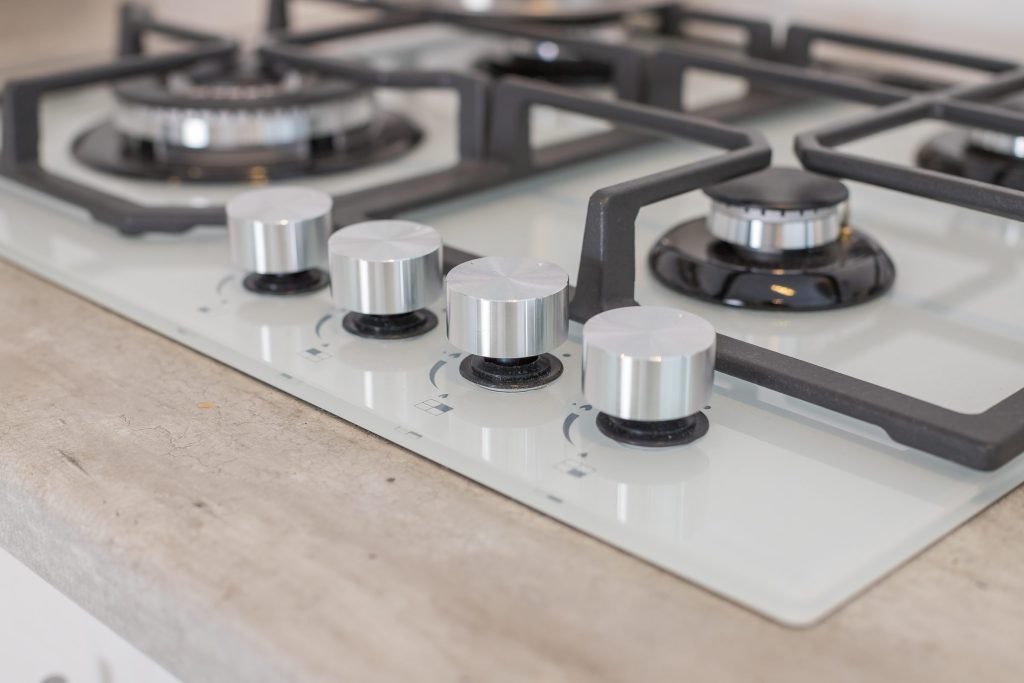
  • A white gas cooktop with black grates and heavy steel knobs
    Usually cleaning, not parts

    Range burner will not light

    A burner that clicks and clicks without catching, or one that lights and goes straight out. On a professional gas top most of these are a cap out of place or ports blocked after a boil-over.

    • One burner clicking with no flame
    • Every burner clicking at once
    • A flame that lights then dies
    What it usually means
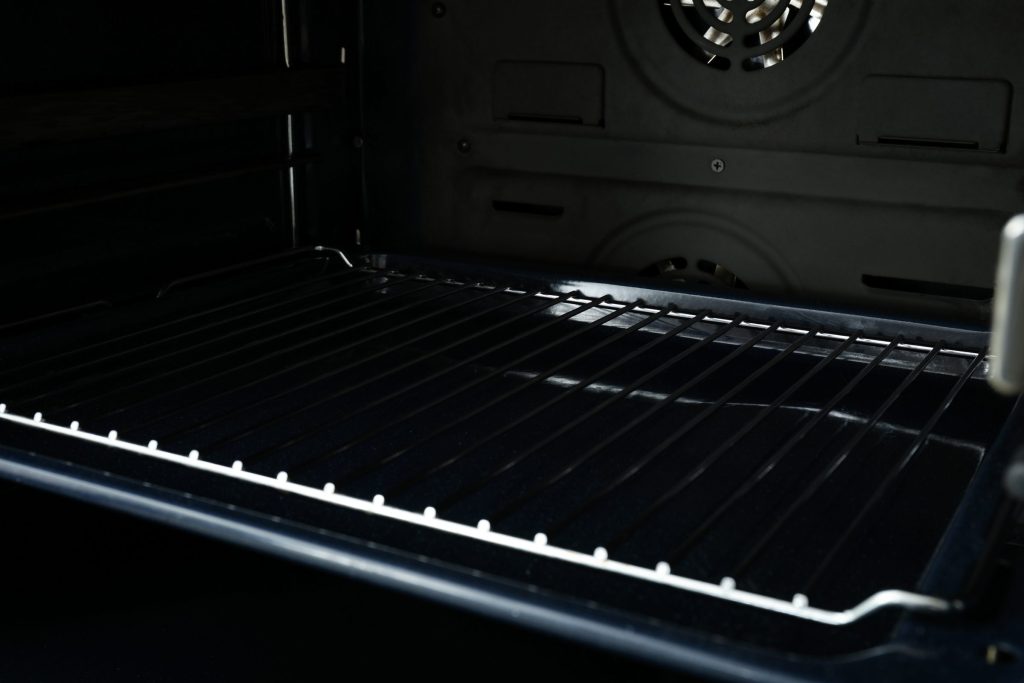
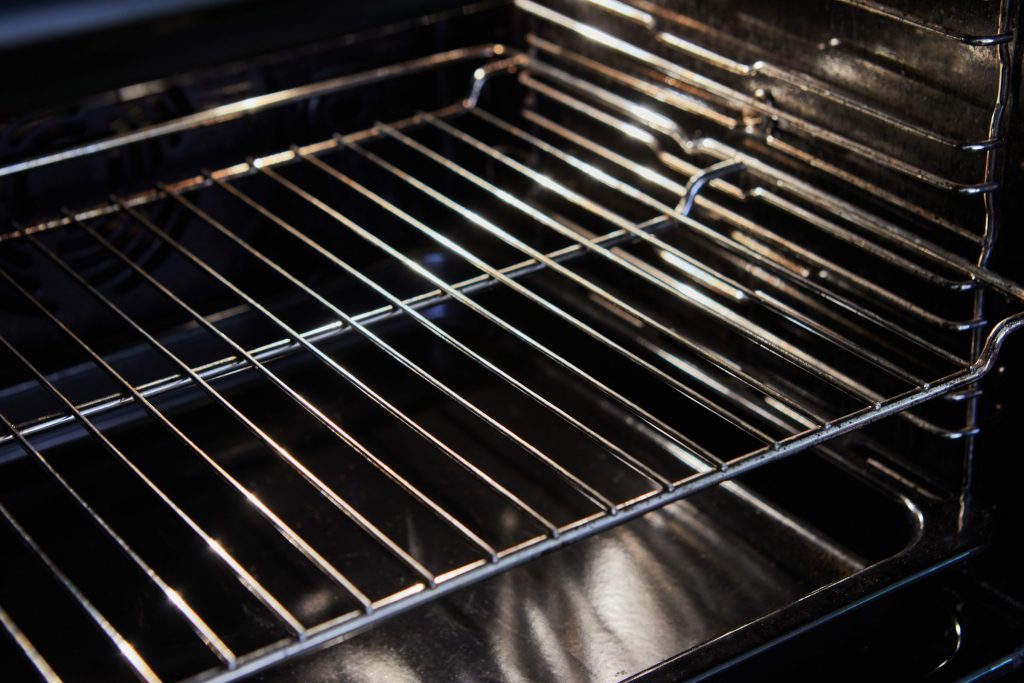
  • A clean empty oven with a wire rack, lit from inside
    Separate new from wrong

    Oven smoking or smelling

    Smoke during a bake, a burning smell on first use, or an odor that has appeared since the last clean cycle. Most of it is what is in the oven rather than the oven itself.

    • Smoke at normal baking temperatures
    • A burning smell on a new appliance
    • A smell that started after self-cleaning
    What it usually means
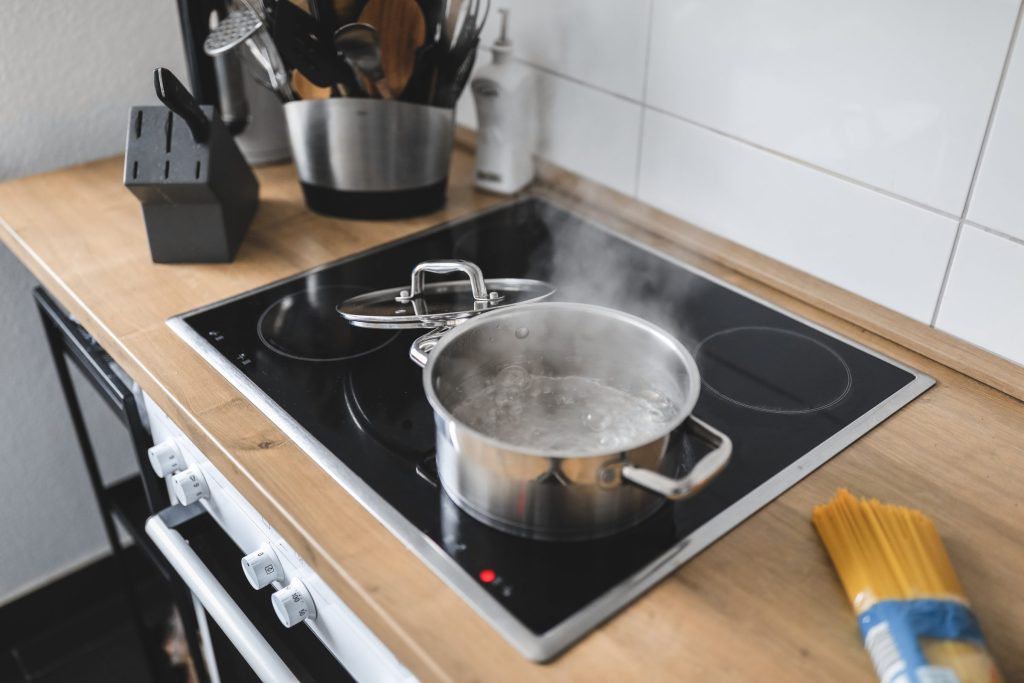
  • A steel pot boiling on a black cooktop set into a wooden worktop
    Usually a protection

    Induction zone switches itself off

    A zone that stops mid-cook, or a cooktop that shuts down after a long session at high power. On induction that is nearly always the appliance protecting itself, and it costs nothing to confirm.

    • One zone stops during cooking
    • Everything shuts down together
    • A letter-F code on the display
    What it usually means
  • A hand held over a frying pan standing on a black induction cooktop
    Test it with a magnet

    Induction will not recognize the pan

    A zone that beeps and switches off, or never starts, with a pan sitting on it. A magnet settles this in two seconds and no repair will change the answer.

    • Zone beeps and shuts off with a pan on it
    • Some pans work and others do not
    • A wireless probe reporting instead of the cooktop
    What it usually means
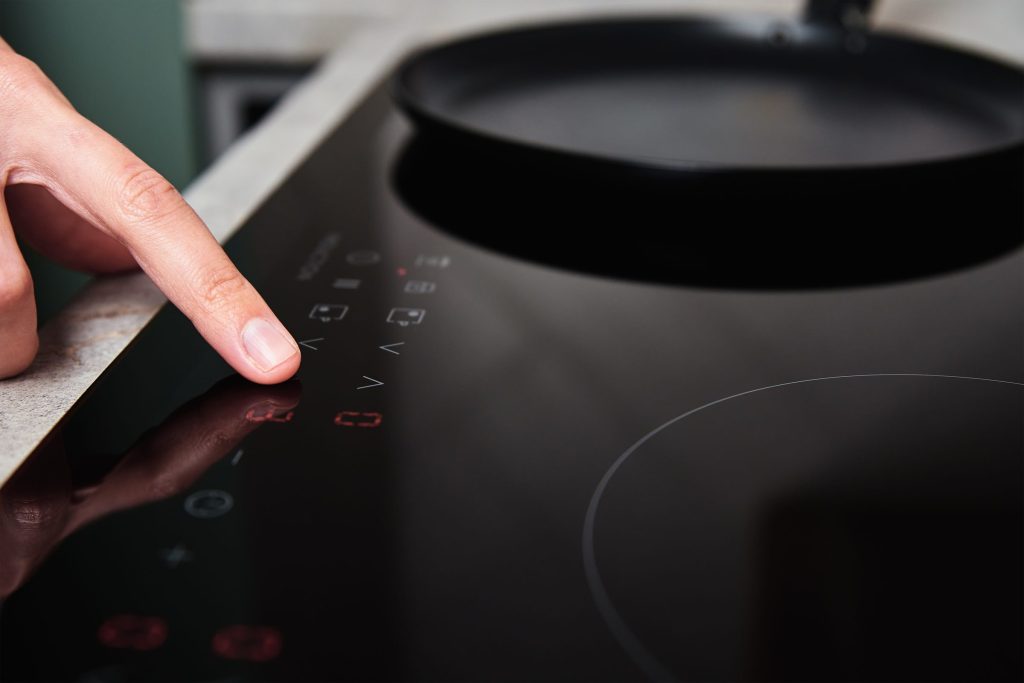
  • A finger on the lit touch control strip of a black cooktop
    Often just wet

    Cooktop controls locked or unresponsive

    A cooktop that beeps and refuses, shows a lock symbol, or ignores the panel entirely. Spilled liquid and a wiped-but-damp surface are the usual reasons.

    • A lock symbol on the display
    • Beeps but nothing happens
    • Panel dead with the cooktop otherwise powered
    What it usually means
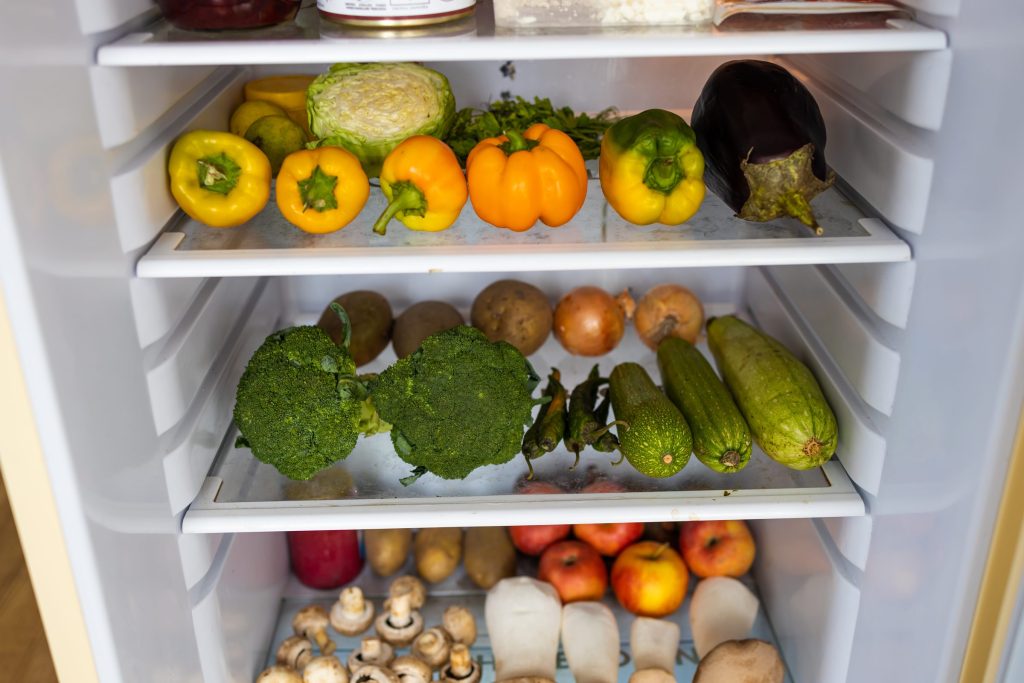
  • Shelves of peppers, broccoli and root vegetables inside a refrigerator
    No code — read the alarm

    Refrigerator not cooling

    A column that is warmer than it should be, running constantly, or alarming. This make publishes no refrigeration error codes at all, so what the cabinet signals is the diagnosis.

    • Cabinet warmer than its setting
    • Compressor running and never resting
    • An alarm symbol on the display
    What it usually means
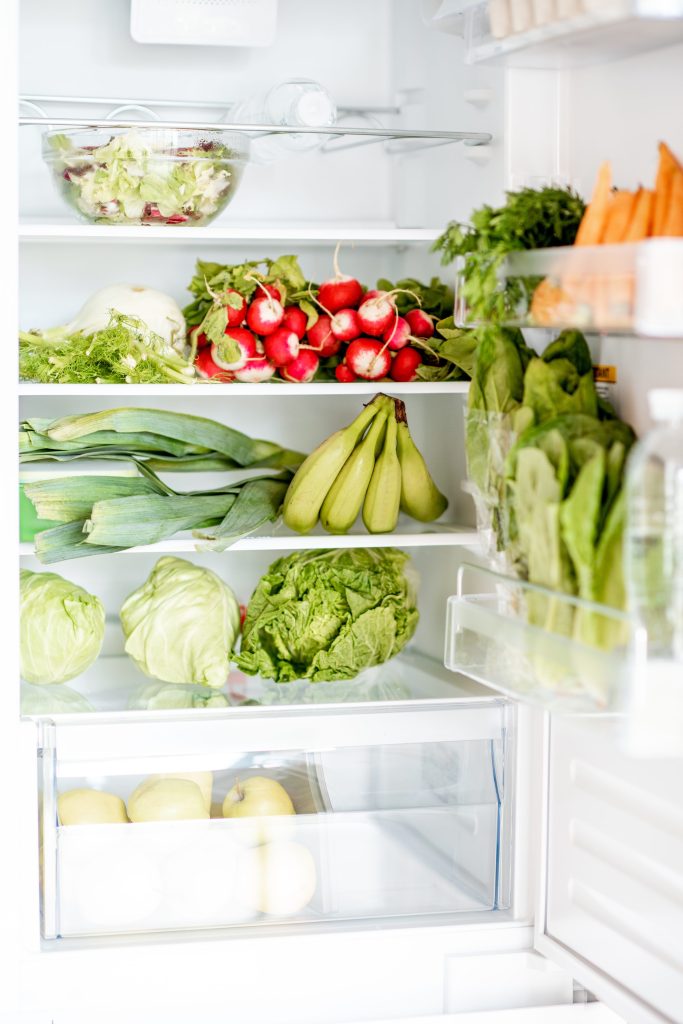
  • A tall refrigerator standing open, its shelves stocked with salad and vegetables
    The alarm is the code

    Refrigeration alarm sounding

    A column beeping with the alarm symbol lit, or a door signal that will not clear. Each alarm means something specific, and one of them is holding a number you will want before you silence it.

    • Temperature flashing with an alarm symbol
    • A continuous tone with the door signal
    • An alarm that returns after being cleared
    What it usually means
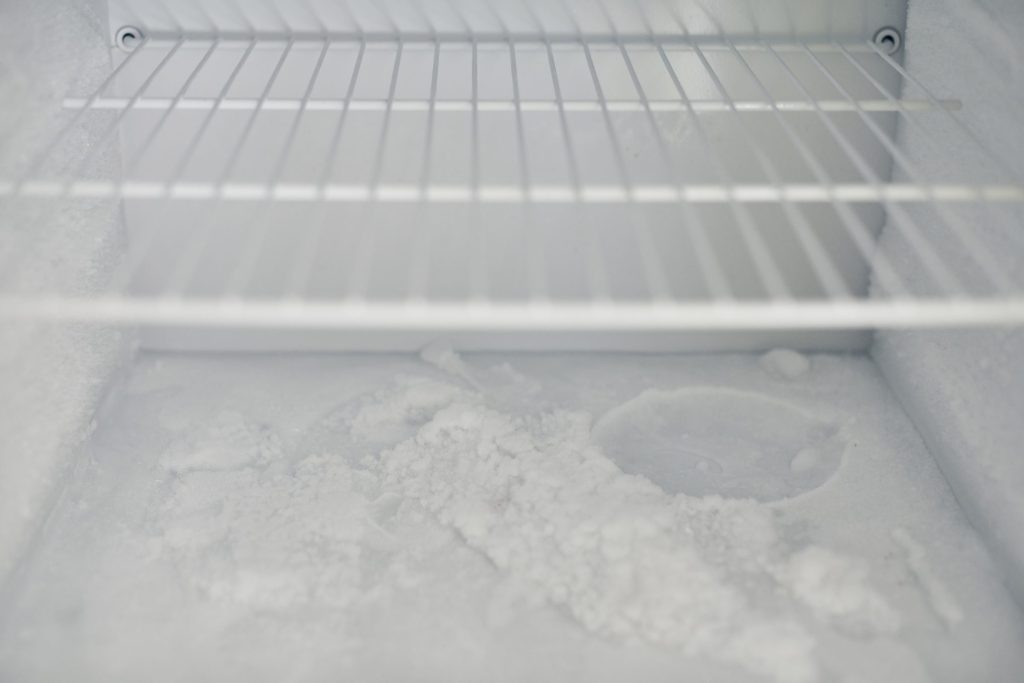
  • Frost lying across the wire shelf and floor of a freezer compartment
    Usually warm air getting in

    Frost or ice building up

    Ice on the back wall, frost on packages, or a drawer frozen into place. Frost is water that arrived from somewhere, and on a built-in column that is usually a door.

    • Ice on the rear wall of the cabinet
    • Frost on food and packaging
    • A drawer that has frozen shut
    What it usually means
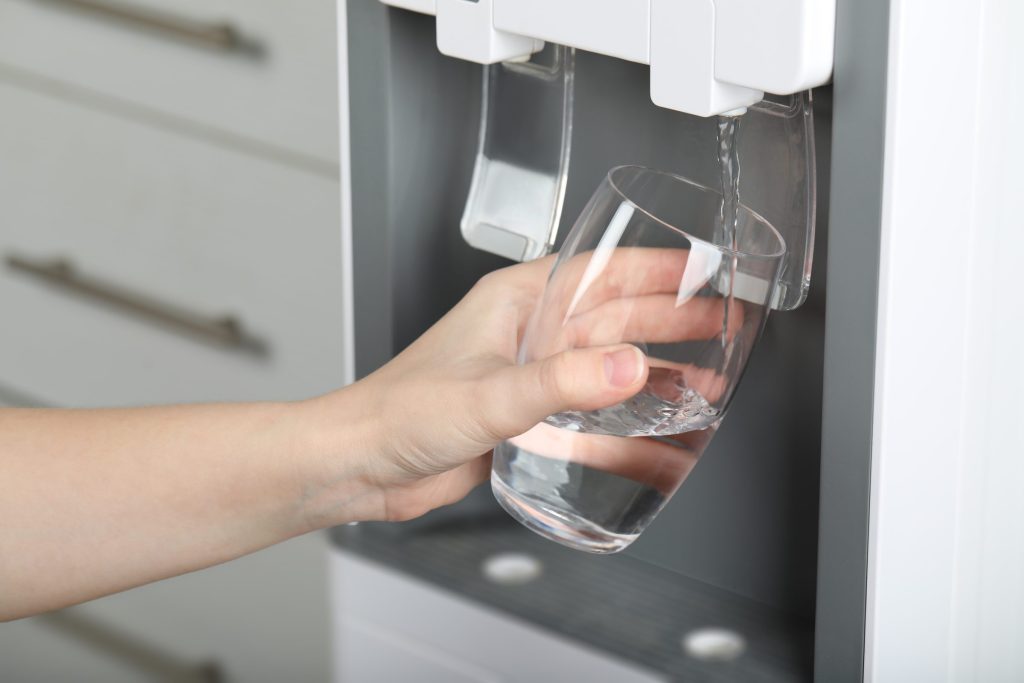
  • A hand holding a glass under the water dispenser recess of a built-in refrigerator
    Often a three-second fix

    Water dispenser or filter symbol

    Little or no water at the dispenser, or a filter symbol that keeps flashing after you have already changed the filter. The second one is a reset rather than a repair.

    • Water slow or not dispensing
    • Filter symbol flashing after a change
    • Water tasting of nothing in particular
    What it usually means
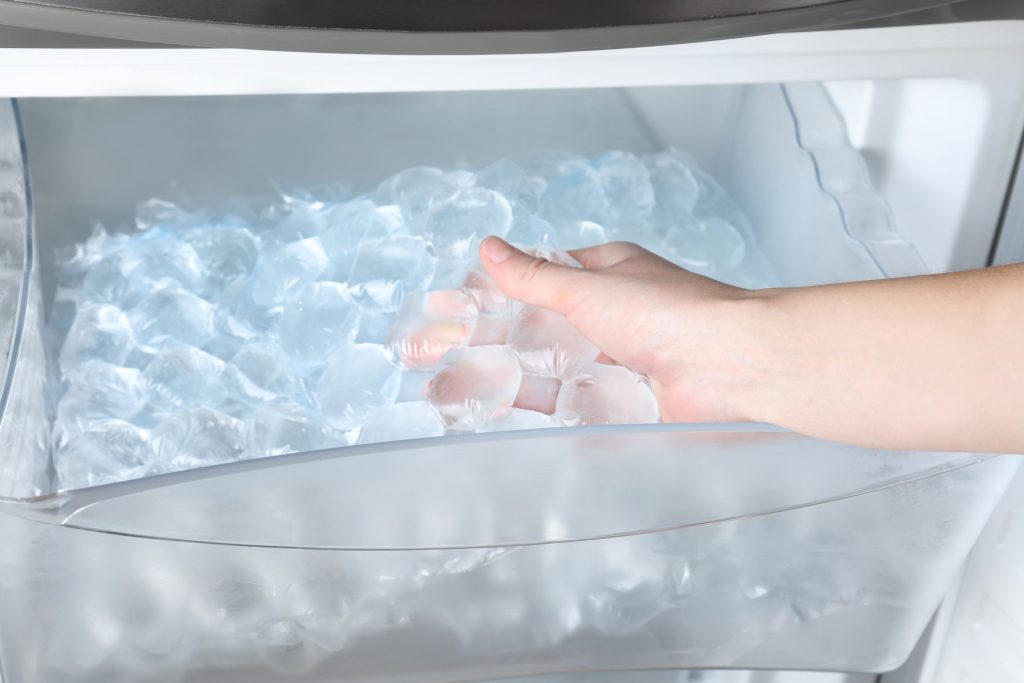
  • A hand reaching into a freezer bin heaped with ice cubes
    Give it time first

    Ice maker not making ice

    No ice, or not enough of it. The manufacturer's own figures matter here: a day from switch-on before it makes any, and three days before it makes what it should.

    • No ice at all after a day or more
    • Much less ice than it used to make
    • Hollow or small cubes
    What it usually means
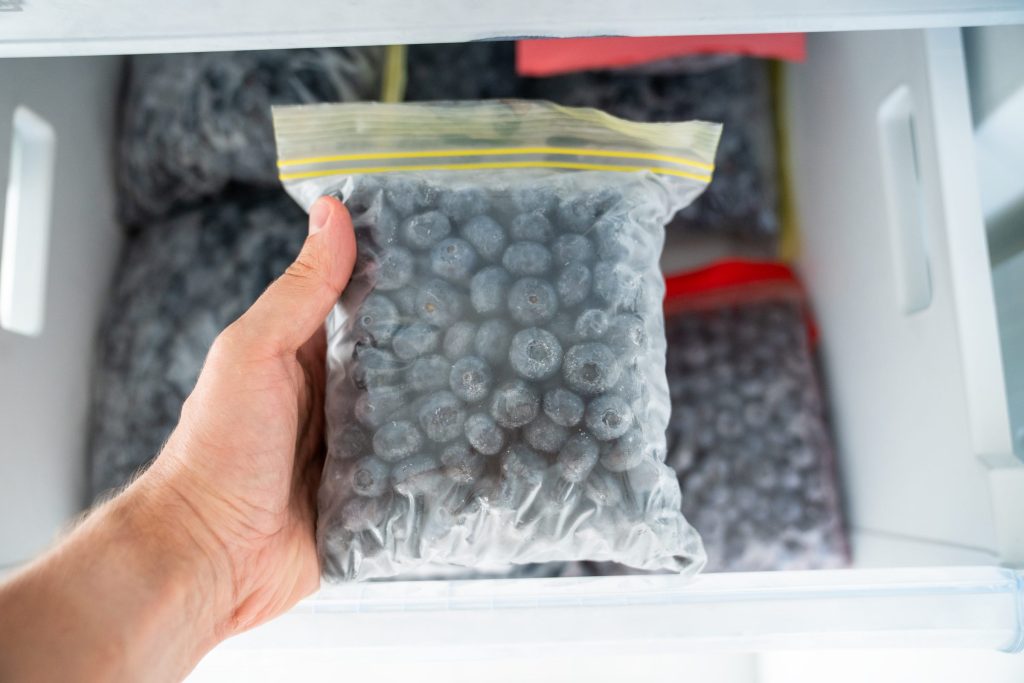
  • A hand holding a bag of frozen blueberries taken from a freezer drawer
    Check the door first

    Freezer column not freezing

    A freezer column that is soft rather than solid, alarming, or running without ever resting. Separate columns fail independently, which is useful information.

    • Ice cream soft, packages pliable
    • Compressor running continuously
    • Temperature alarm on the display
    What it usually means
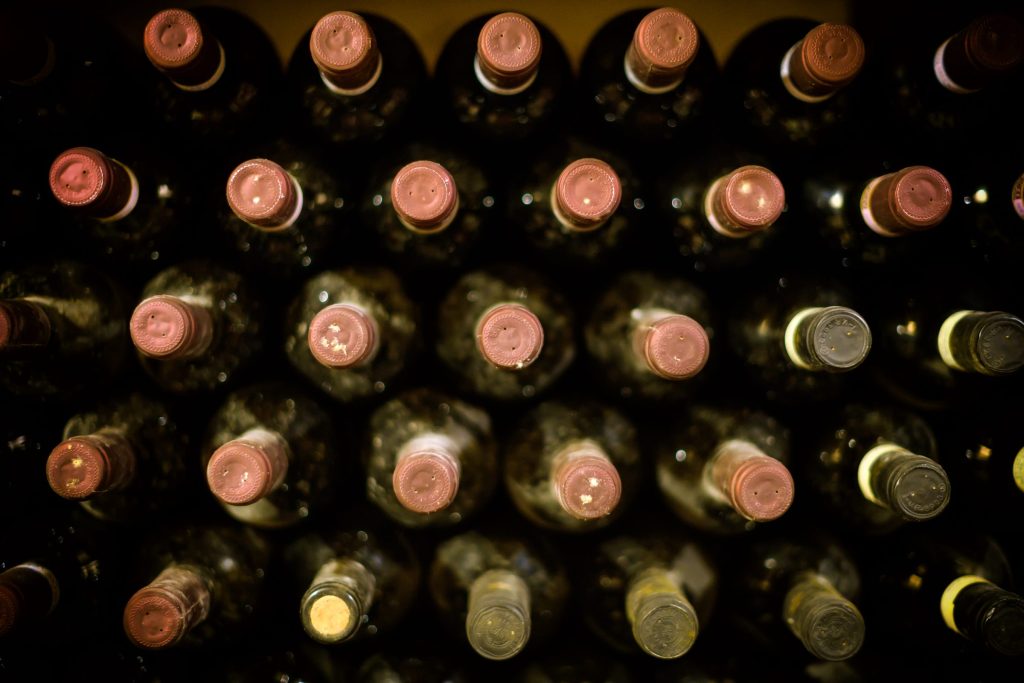
  • Rows of wine bottles stored on their sides in a dark cabinet
    Stability matters more

    Wine column not holding temperature

    One zone drifting while the other holds, condensation on the glass, or a cabinet that has started running constantly. With wine, steadiness matters more than the exact number.

    • One zone warm, the other correct
    • Condensation inside the glass door
    • Temperature swinging rather than steady
    What it usually means
  • A hand reaching to the glass panel of an angled black range hood
    Find the blower first

    Range hood not working

    A hood that does nothing, runs only on some speeds, or a downdraft that will not rise. On this equipment the blower may be in the ceiling or outside the building, and that changes the whole job.

    • No response at all from the controls
    • Runs on low but not on high
    • A downdraft that will not lift
    What it usually means
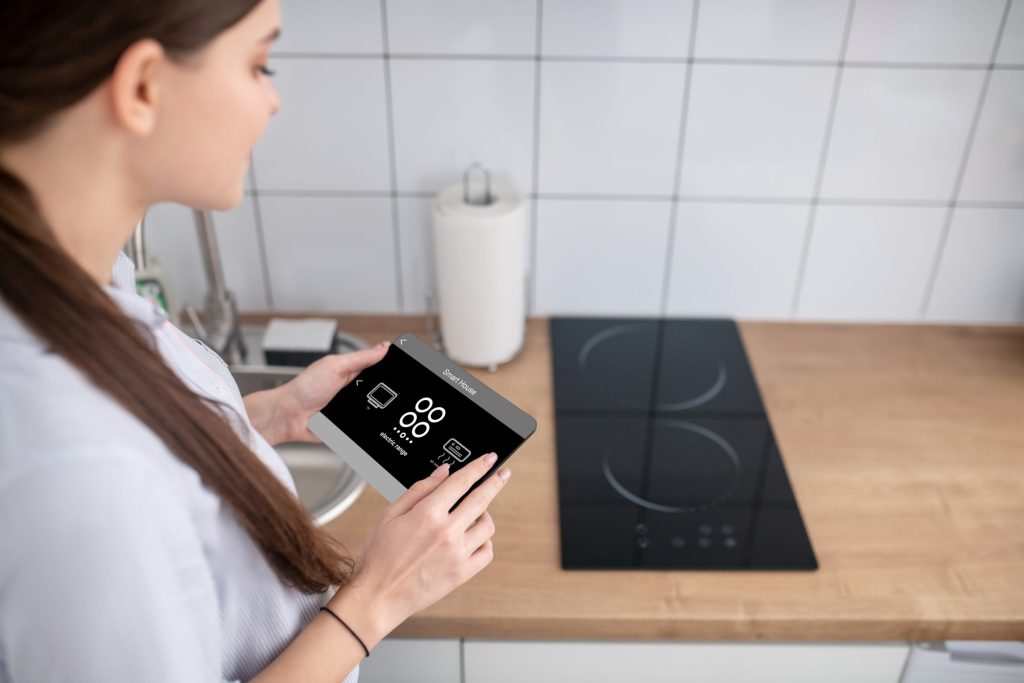
  • A tablet held beside an induction cooktop set into a wooden counter
    Rarely the appliance

    Appliance will not connect to the app

    Pairing that fails, an appliance that shows as offline, or a connection that drops during a software update. Thirty of the published codes on this make are about the connection rather than the machine.

    • Pairing fails partway through
    • Appliance shows offline in the app
    • An update that stopped halfway
    What it usually means

Why the refrigeration pages are longer here

This make publishes no refrigeration error codes at all.

Its cooking and dishwashing are documented in detail — eighty-seven conditions are decoded on this site. Its refrigeration is not: the pages where such codes would live do not exist. What a Freedom column gives you instead is an alarm, a flashing symbol, and a self-test you can run yourself.

So on this brand the refrigeration symptom pages carry the work a code archive does elsewhere. They tell you which alarm means what, how to read the highest temperature the cabinet reached before you clear it, and how to run the self-test the manufacturer documents.
The codes and signals we decode
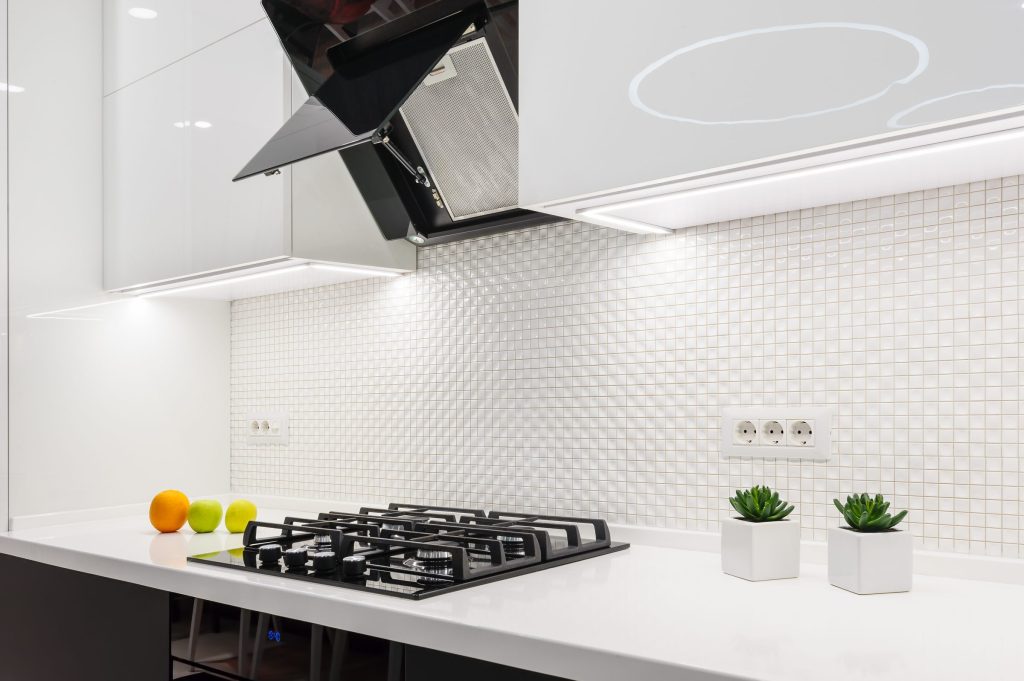
A white kitchen with a mosaic splashback, angled hood and a gas cooktop

Not sure it is worth a visit?

Ask us before you book. We will tell you if you do not need us.

Wet plastics, an induction zone that switched itself off, a filter symbol that needs three seconds on two buttons, a pan induction cannot see — all four have pages here that end with “you do not need a technician”, and we would rather you read them.

Call (305) 846-7685 with the model number and what it is doing, and we will say honestly which side of that line you are on.

Tell us what it is doing.

The model number and the behavior are usually enough for us to say what is likely, what it involves and what it should cost before anyone comes out.

This article is based on:

  • Official manufacturer documentation
  • Internal repair procedures
  • Technician repair history
  • Company quality standards
Call (305) 846-7685