Appliance
Thermador wall ovens & steam ovens
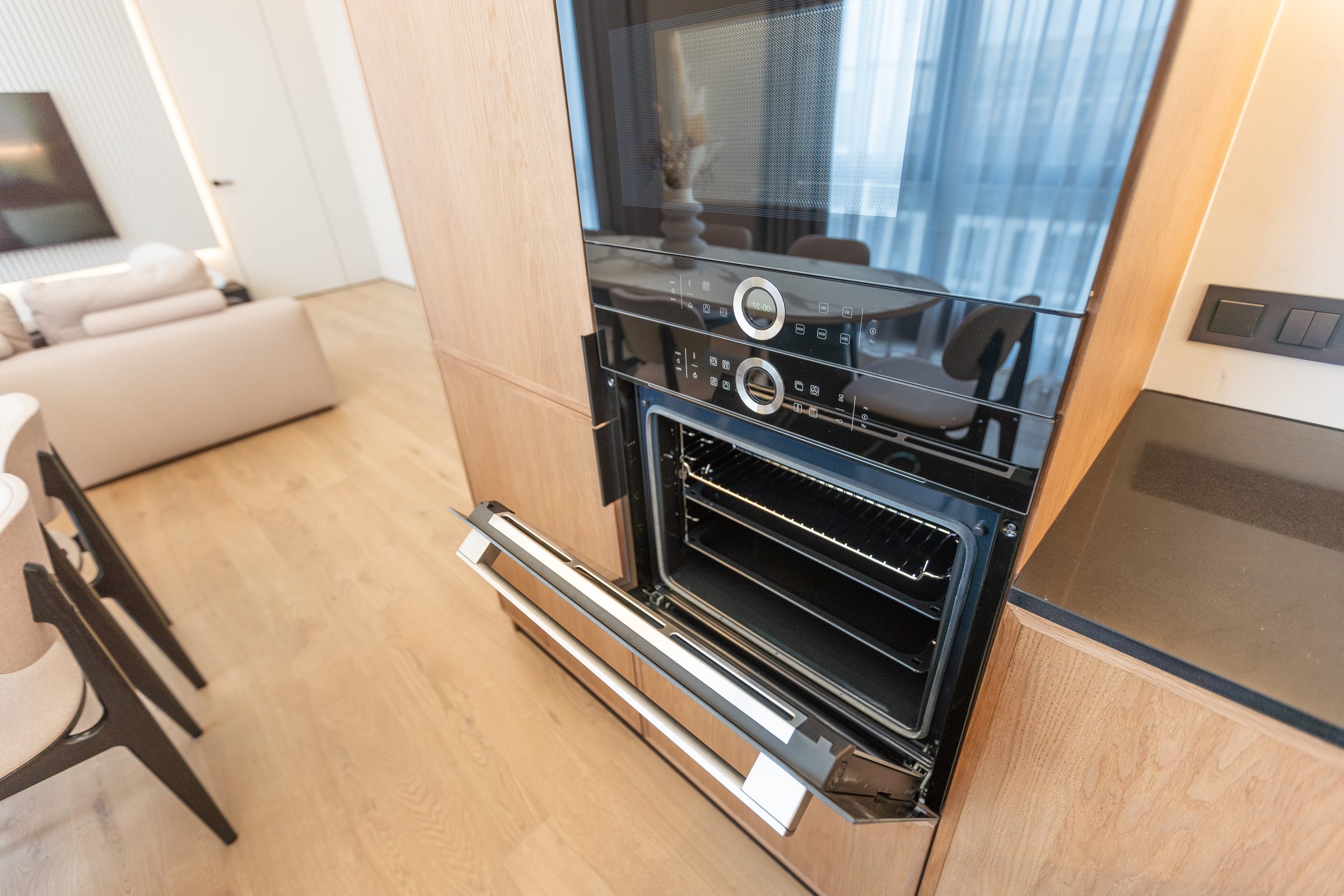
Built in at eye level, often two cavities in one cabinet, and increasingly one of the two is a steam oven with a water circuit of its own. "The oven is broken" almost always means one cavity of the pair, and which one narrows the job considerably.
- 7 symptoms we are called out to
- From $95 diagnostic, credited to the repair
- 59 cities and neighborhoods covered
- OEM parts available on order
The short version
What this equipment is, for a repair
Configurations
Masterpiece · Professional · Steam · Speed
Access
Planned before the visit, not discovered on arrival
Parts
OEM, available on order
Diagnostic
From $95, credited to the repair
What goes wrong with it
Symptoms we are called out to on Thermador wall ovens & steam ovens
Each one covers the likely causes in the order they are worth checking, and what to do in five minutes before booking anything.
-
The code says which half Oven not heating
An oven that lights up, sets a temperature and never gets there — or does nothing at all. On a double oven the code tells you which cavity before anyone opens anything.
- Sets a temperature and stays cold
- One cavity works, the other does not
- A code beginning E1 or E3
-
Measure before you judge Oven runs hot or cold
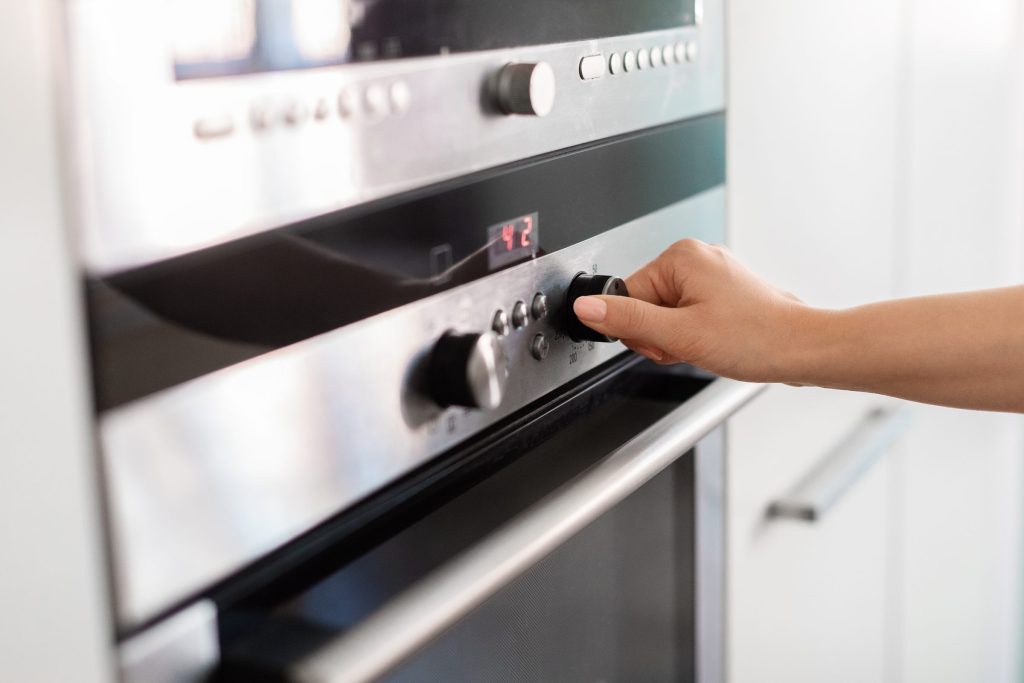
Baking that has gone wrong at the same setting you have always used. A thermometer in the middle of the oven settles in twenty minutes what an argument about it never will.
- Everything browning too fast, or not at all
- A consistent offset at every setting
- A code in the E1 or E2 hundreds
-
Do not force it Oven door locked shut
A self-clean cycle that has finished and a door that will not open. The latch releases on temperature rather than on a timer, and forcing a professional door turns a small repair into a large one.
- Door locked after a clean cycle
- Self-clean that will not start at all
- A latch code in the hundreds
-
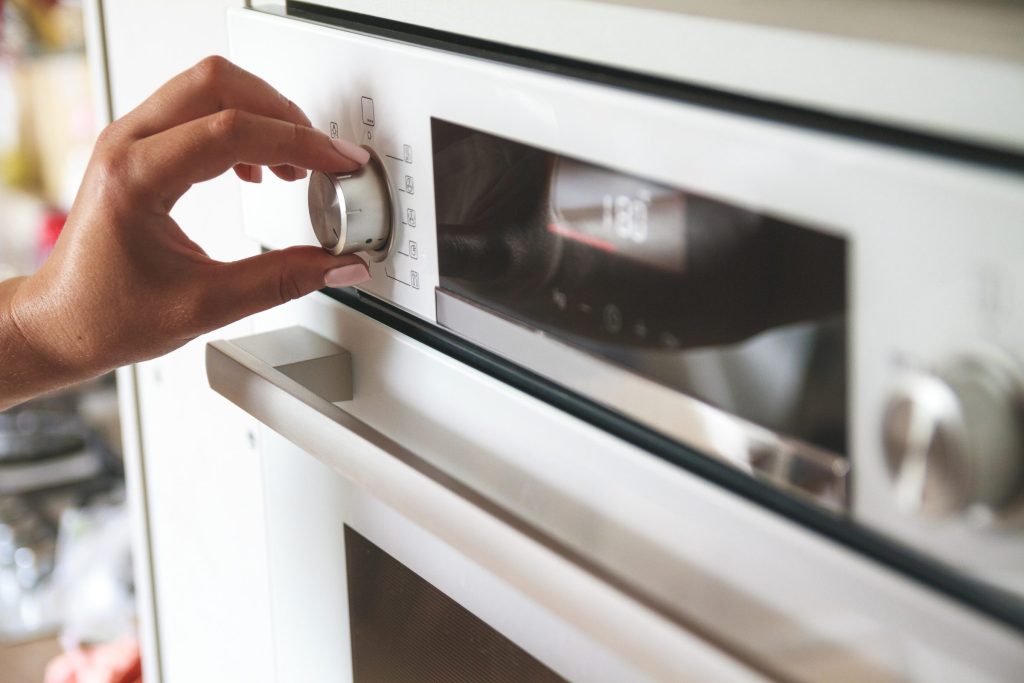
Often steam, not electronics Oven controls not responding
A touch panel that ignores you, repeats itself, or reports a key held down. On a panel above a cooktop the usual cause is condensation, and it clears when the panel dries.
- Panel unresponsive or erratic
- A code about a key being held
- Dead panel with no lights at all
-
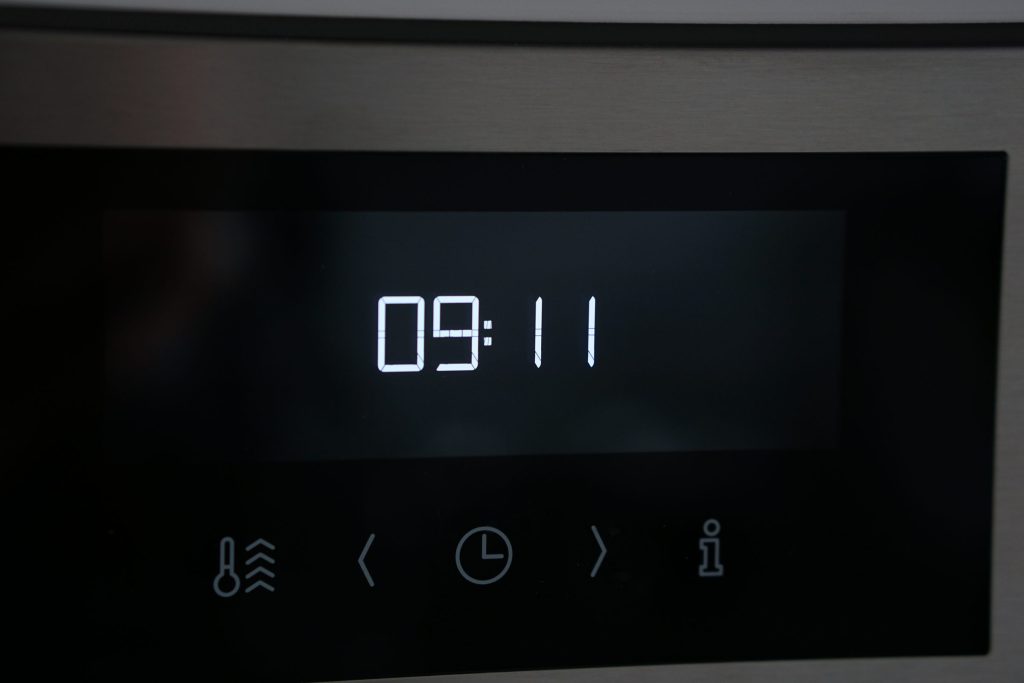
The lights are the code Oven blinking lights and no display
On the Professional wall ovens without a digital display, three small lights blink out the digits of an error code. Count the blinks and you have a number you can look up.
- Three lights blinking in sequence
- A pause, then all three lit together
- No display and no code on screen
-
Separate new from wrong Oven smoking or smelling
Smoke during a bake, a burning smell on first use, or an odor that has appeared since the last clean cycle. Most of it is what is in the oven rather than the oven itself.
- Smoke at normal baking temperatures
- A burning smell on a new appliance
- A smell that started after self-cleaning
What we do on it
Repairs we carry out on Thermador wall ovens & steam ovens
Starting figures for this equipment in South Florida. The exact cost is confirmed after an on-site diagnostic — and this is not the whole list of what can go wrong, so call if your problem is not here.
-
from $95 Diagnostic visit
We read the codes on site — including the ones a machine with no display blinks out — then test the circuit the code names before saying anything about the repair. The fee is credited toward the work when you go ahead.
- Codes and blink patterns read on site
- The circuit tested before a part is named
- Credited toward the repair
-
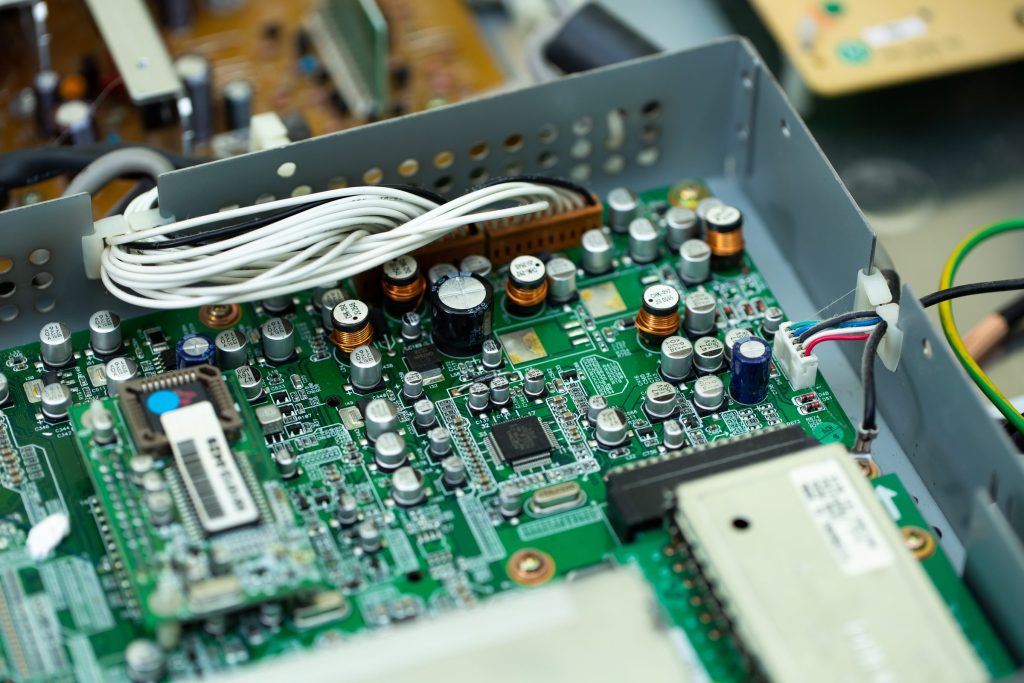
from $340 Control board replacement
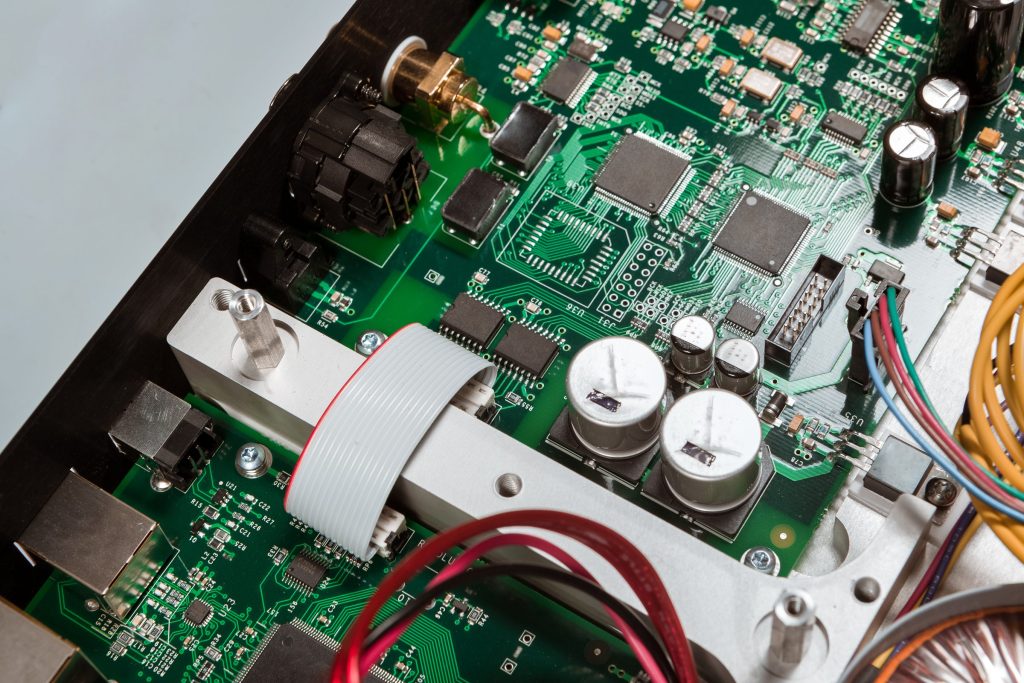
A panel that does not respond, a board that fails its own memory check, or two boards that have stopped talking to each other. Tested before it is replaced, because boards are the most over-diagnosed part in this trade.
- E005, E009, E010, E309, E310 decoded
- The harness tested before the board is condemned
- Option code set after the swap, which is easy to miss
-
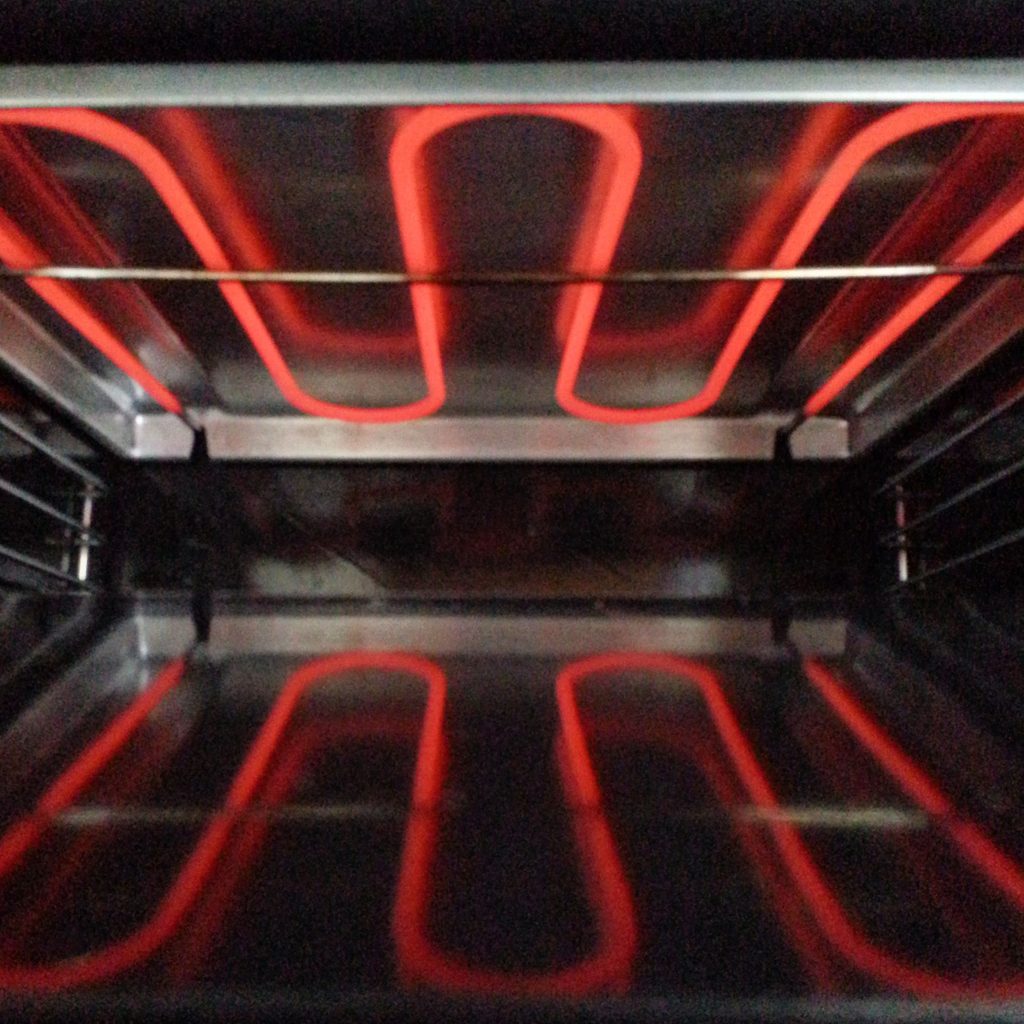
from $185 Oven element and sensor repair
An oven that will not heat, heats to the wrong temperature, or shuts itself down. The sensor and the element are two different repairs and the display usually says which.
- E101 and E104 — sensor open and sensor shorted
- E115, the one to take seriously
- Calibration checked against a thermometer, not a feeling
-
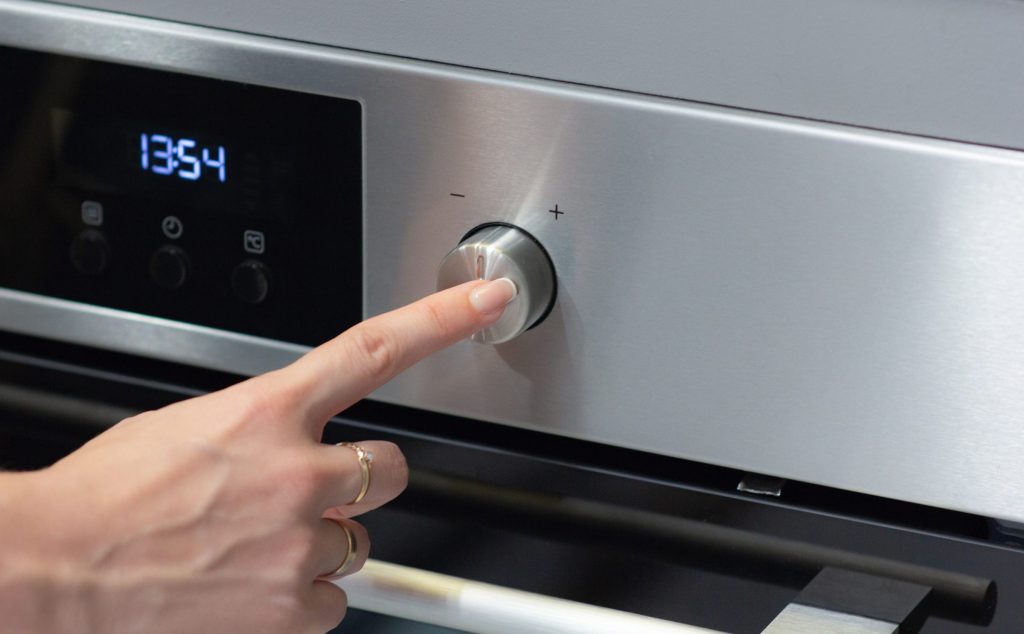
from $155 Oven door lock repair
A self-clean latch that will not lock, or worse, will not let go. Four published conditions belong to this one small assembly, which is why it has a page of its own.
- E106, E107, E126 and their lower-cavity twins
- The door opened without bending the frame
- The latch tested through a full cycle
-
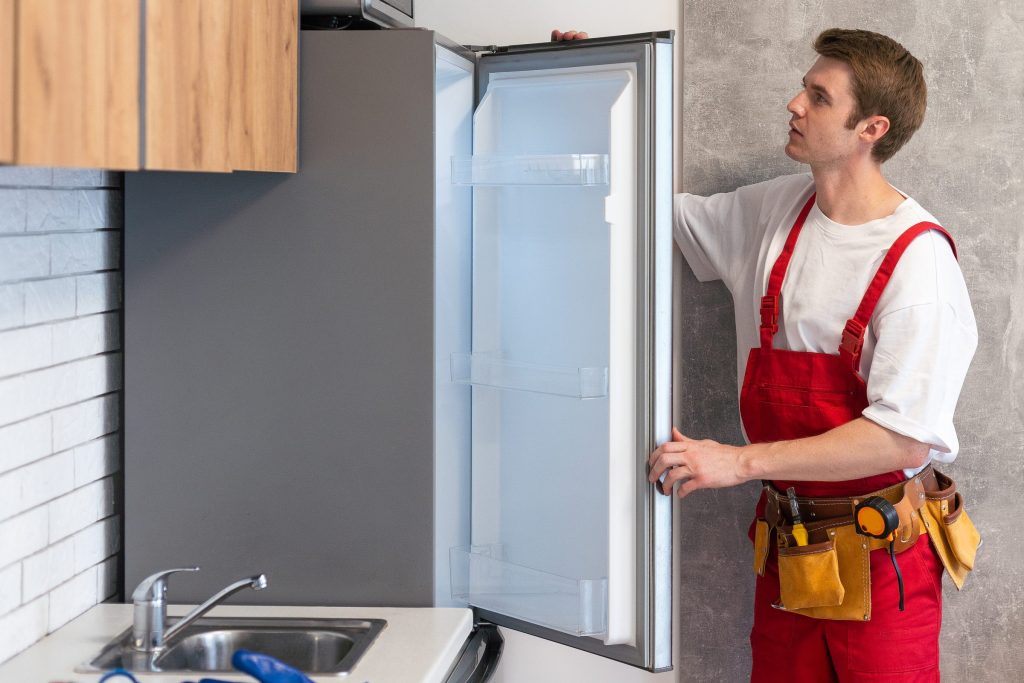
from $165 Door seal and hinge repair
A door that does not sit square, a seal that has gone hard, or a professional door that has dropped on its hinges. The same job across the kitchen, and on built-in equipment it is adjustment as much as parts.
- Seals tested with paper, not by eye
- Hinges adjusted rather than replaced where they can be
- Panelled doors reset to the cabinetry
-
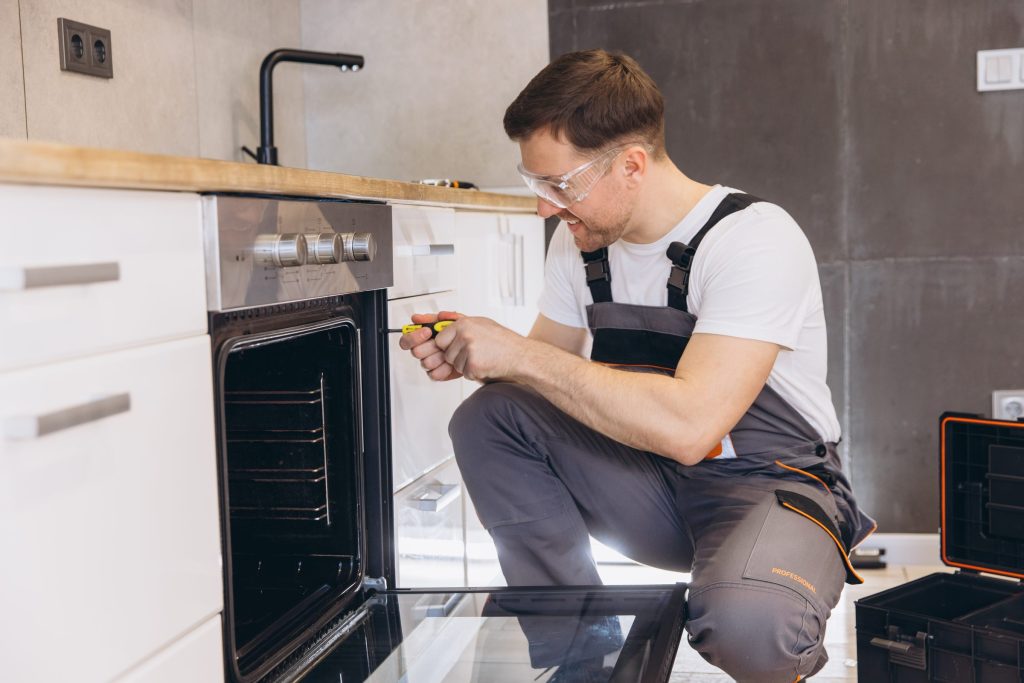
from $195 Installation
Built-in equipment fitted properly: clearances that let it shed heat, panels that line up with the cabinets, and the settings that only get made once.
- Clearances and ventilation done to specification
- Cabinet panels hung and aligned
- Water, gas and supply checked, not assumed
In more detail
About Thermador wall ovens & steam ovens
Two cavities, two sets of parts
Almost everything in a double wall oven exists twice. The exception is the control, which is why an issue that affects both at once is a different conversation from one that affects the top.
What actually goes wrong
- Not heating, or not holding what it was set to. The temperature sensor drifts long before it stops, so an oven that is thirty degrees out is the same conversation as one that is stone cold.
- The door locked after a self-clean. The cycle latches the door and unlatches it on the way down. A latch that has stopped releasing is a common call and does not mean the oven is damaged.
- The touch panel unresponsive after a long bake. Heat rising past the control is the usual reason, and it is worth knowing whether it comes back once the oven is cold.
- The steam cavity specifically. A steam oven has a water circuit nothing else in the kitchen has — a tank, a pump, a descaling routine — and most of what goes wrong with one is in that circuit rather than in the heating.
Which cavity, and is the other one fine
On a double oven almost every part exists twice. The exception is the control board, so a problem showing in both cavities at once points somewhere completely different from one showing in the top. Checking the other cavity before you call takes a minute and often decides the visit.
This article is based on:
- Official manufacturer documentation
- Internal repair procedures
- Technician repair history
- Company quality standards
Before you book
Questions about thermador wall ovens & steam ovens
The touch panel stopped responding right after a steam cycle.
On a steam oven that is expected rather than broken. The panel has condensation on it and reads it as touches it cannot make sense of, so it stops answering. Dry it, give it an hour, and it comes back. If it is dry and cold and still dead, that is a different problem and worth a look.
The door locked itself after self-cleaning and will not open.
The lock stays engaged until the cavity is below a safe temperature, which takes longer than people expect — often two hours after the cycle ends. If it is cold and still locked, the lock motor or the sensor telling it the temperature has failed, and forcing the door damages the trim that then has to be replaced with it.
One cavity works and the other does not.
Then it is that cavity. A double oven has two of nearly everything — element, sensor, fan, relay — and only the control panel is shared. Telling us which one saves an hour on site.
Where we do it
Across Miami-Dade, Broward, and Palm Beach
Same terms everywhere we go: an on-site diagnostic first, the price agreed in writing, and the exact figure confirmed once we have seen the unit.
Neighborhoods people ask for by name