Half of this equipment speaks, and half does not
Eighty-seven conditions are decoded on this site, and every one of them belongs to the cooking half or the dishwashing half. The refrigeration – the built-in columns, the freezer columns, the wine reserves – publishes nothing. That is not a gap in this archive; it is how the make is built, and knowing it changes what you do. If your column is misbehaving, do not go looking for a number. Describe the behavior instead.
Three shapes on one badge
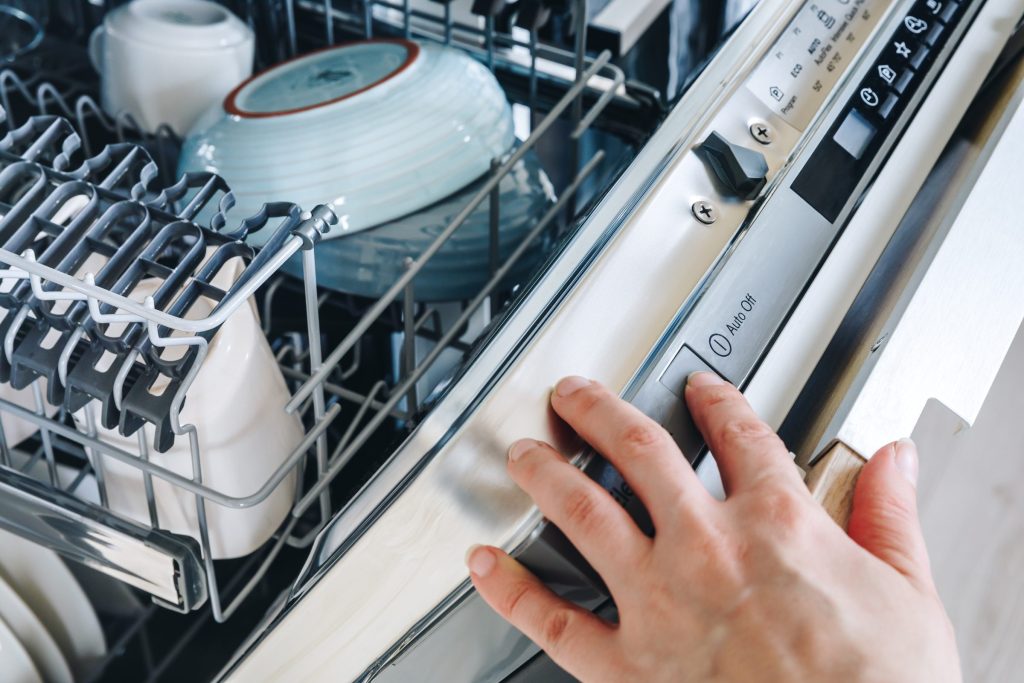
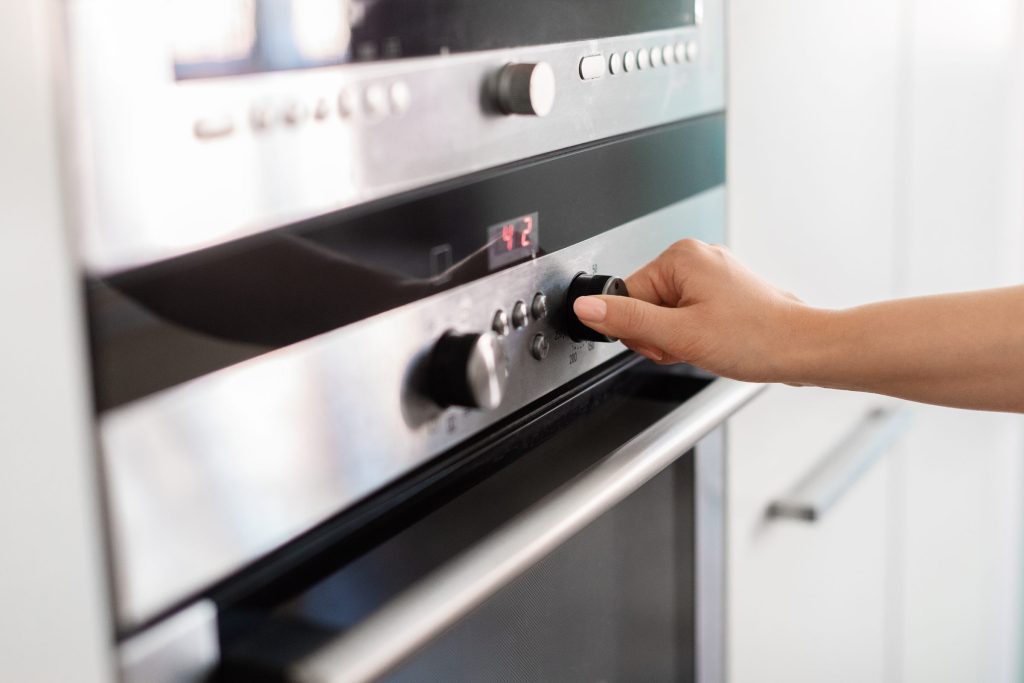
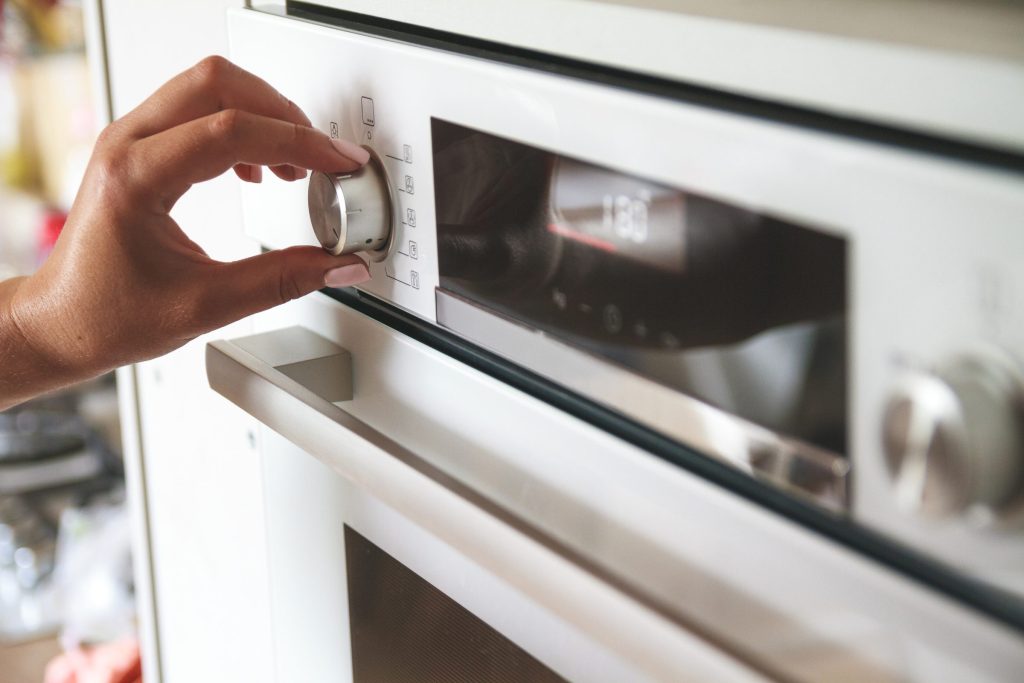
A dishwasher or a newer oven gives you a code on a display. A Professional wall oven with no display blinks its condition out on three lights, and the pattern is the code – count the blinks, and it reads as plainly as a number. And the refrigeration gives you an alarm, a symbol or a temperature and leaves the rest to you. All three are on this site, and the pages say which shape belongs to which machine.
A code names the circuit that reported
Not the part that failed. That distinction is the whole reason we do not quote from a code alone. A temperature sensor code can be the sensor, the thing it is reading, or the wiring in between – three repairs at three prices. The on-site diagnostic settles which, and it is the difference between the right part on the van and a second appointment.
What to do while it is still on screen
Photograph the display. Note the model number from the plate. Note what the appliance was doing when it appeared: at the start of a cycle, part-way through, or after a power cut. Those three facts are worth more than the number by itself, and they are what shortens the visit.
If it cleared before you could read it
Still worth saying. A code that clears is a reading the control rejected, and the fact that it happened at all narrows the search – particularly during storm season, when a run of them arrives together and most of them mean the supply rather than the appliance.



 English