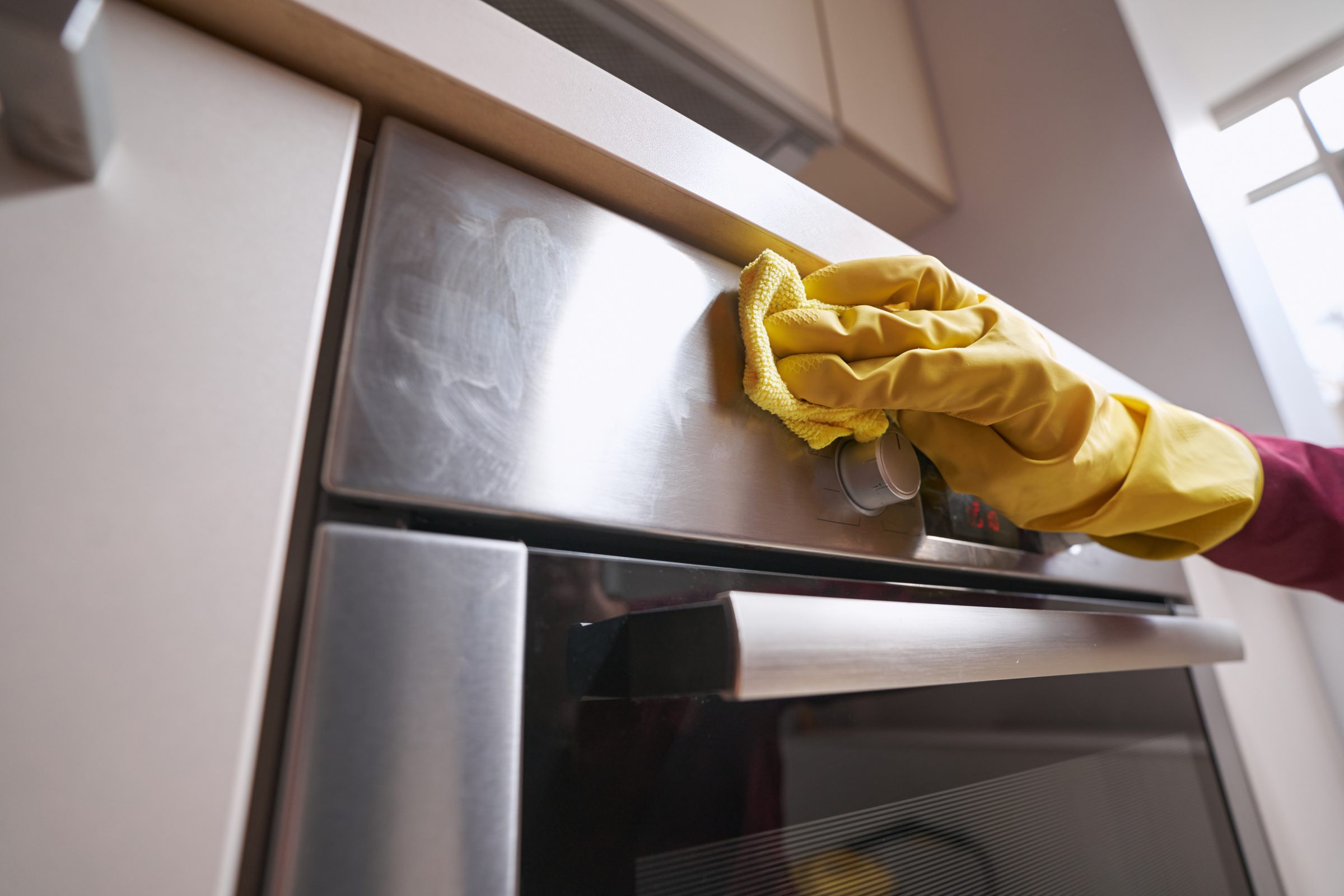
Common Problems
Why a Thermador Oven Is Loud, and Which Noises Matter
The loudest sound is usually the cooling fan, which protects the cabinetry and keeps running after the oven is switched off — sometimes for an hour. That is designed behavior. A convection fan hums while it circulates, relays click as elements switch, and metal ticks as it expands. The noise that matters is a fan that has become louder, rougher or slower than it was.
The full guide
The four noises, and what makes each one
The cooling fan. The loudest thing on the list, and the one people call about. It runs while the oven heats and — this is the part that surprises everybody — it keeps running after the oven is switched off, sometimes for an hour after a long roast or a clean cycle.
That is deliberate. A built-in oven sheds heat into the cabinetry around it, and the fan is what stops that cabinetry cooking. There is generally no way to switch it off, and there should not be.
The convection fan. A steady hum while it circulates air, and only in convection modes. It is what makes convection work.
Relays. A click every minute or two as elements switch on and off to hold temperature. More audible on a well-built professional oven in a quiet kitchen than on the noisy oven it replaced.
Metal expanding. Ticks and small pops as the cavity heats and cools. Heavy steel does this. It is not a problem and it never has been.
Which one is yours
- Loudest while cooking, continues afterwards → cooling fan
- Only in convection modes → convection fan
- Rhythmic, every minute or two → relays
- Irregular, during heat-up and cool-down → expansion
That sorting is most of the diagnosis, and it costs nothing.
"It has been like this since it was installed" and "it started last month" are completely different conversations. Built-in professional ovens are audibly busier than the freestanding ovens they usually replace, and a great many of these calls end with somebody being told that their oven is normal.
The noise that is the appliance reporting something
A cooling fan turning too slowly has its own published condition on this make. That is the manufacturer taking it seriously enough to name it, and it is worth taking seriously too: it is what protects the cabinetry and the electronics.
The tells:
- The fan sounds slower, or lower in pitch, than it used to
- It rattles or scrapes rather than hums
- It stops and restarts during a cook
- The trim or the cabinet above the oven feels hotter than it once did
Any of those, with or without a code on the display, is worth a visit. On an oven with no display, the code is blinked out on three lights — worth counting before you call.
Things that make a healthy oven louder
- Blocked ventilation. Joinery built tight, a vent above the door covered by a towel, or a remodel that closed a gap. The fan works harder and sounds like it.
- A heavy load or a long high-temperature cook. More heat to move.
- A hot kitchen. August in a room the air conditioning is already fighting.
- Something resting on the oven. Trays and boards on a wall oven's trim rattle convincingly.
When to call
The noise is new, rough, or accompanied by any of: an oven that will not hold temperature, a hot cabinet above it, or a code. Tell us which of the four noises above it sounds like and whether it happens with the oven off — that pair of answers is usually enough for us to know what we are coming to look at.
If it turns out to be a repair
What this leads to, and what it costs
Every job on this site is priced the same way: an on-site diagnostic first, the figure agreed in writing before anybody starts.
-
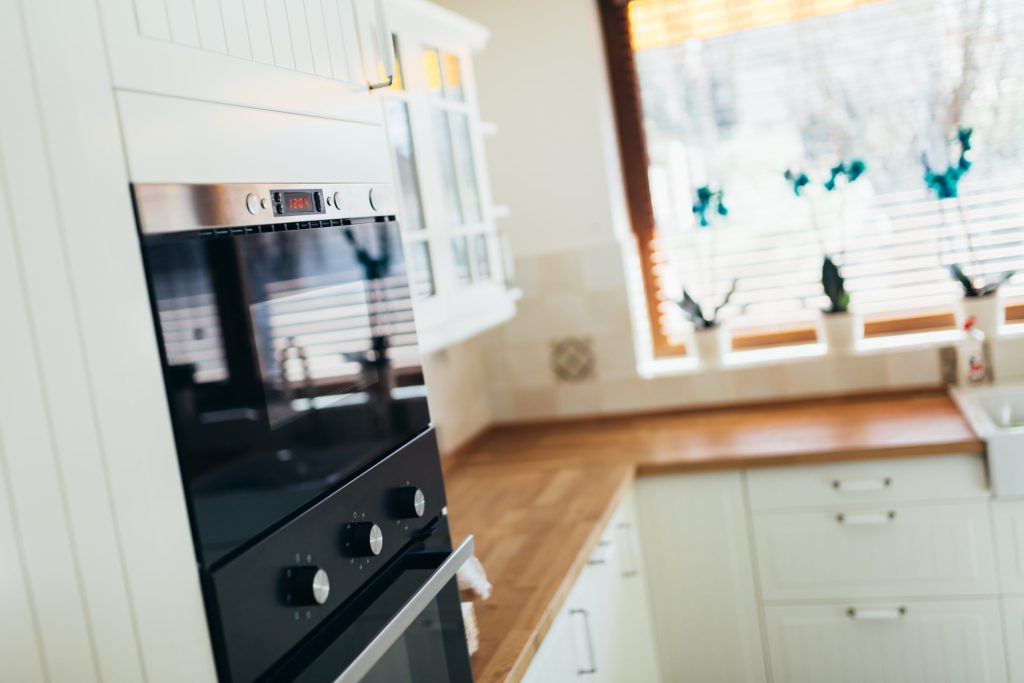
The code says which half Oven not heating
An oven that lights up, sets a temperature and never gets there — or does nothing at all. On a double oven the code tells you which cavity before anyone opens anything.
- Sets a temperature and stays cold
- One cavity works, the other does not
- A code beginning E1 or E3
-
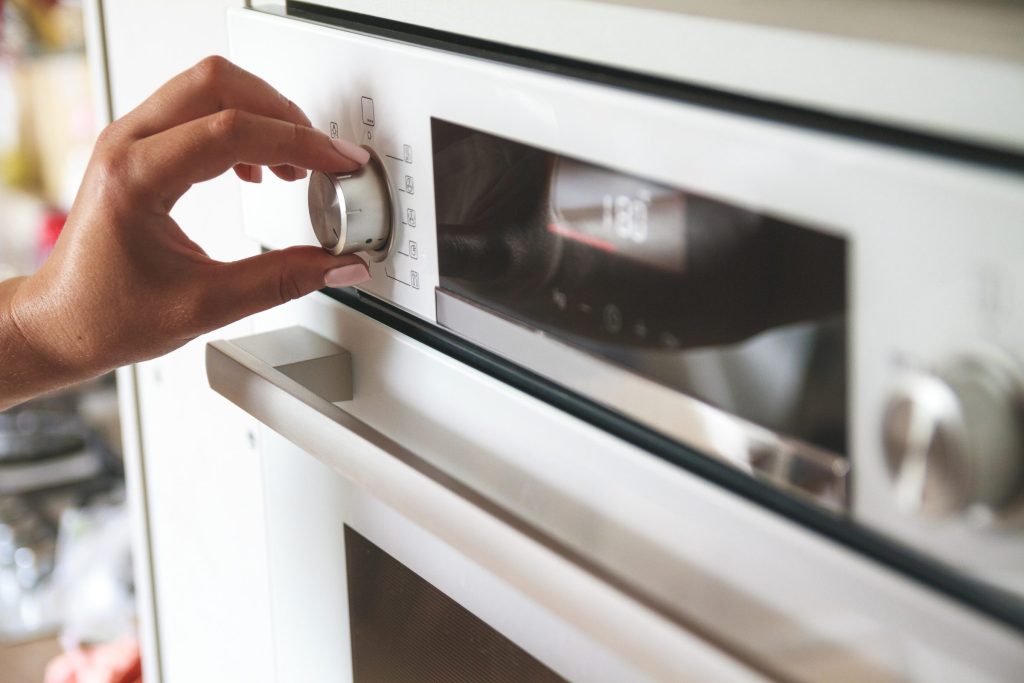
Often steam, not electronics Oven controls not responding
A touch panel that ignores you, repeats itself, or reports a key held down. On a panel above a cooktop the usual cause is condensation, and it clears when the panel dries.
- Panel unresponsive or erratic
- A code about a key being held
- Dead panel with no lights at all
-
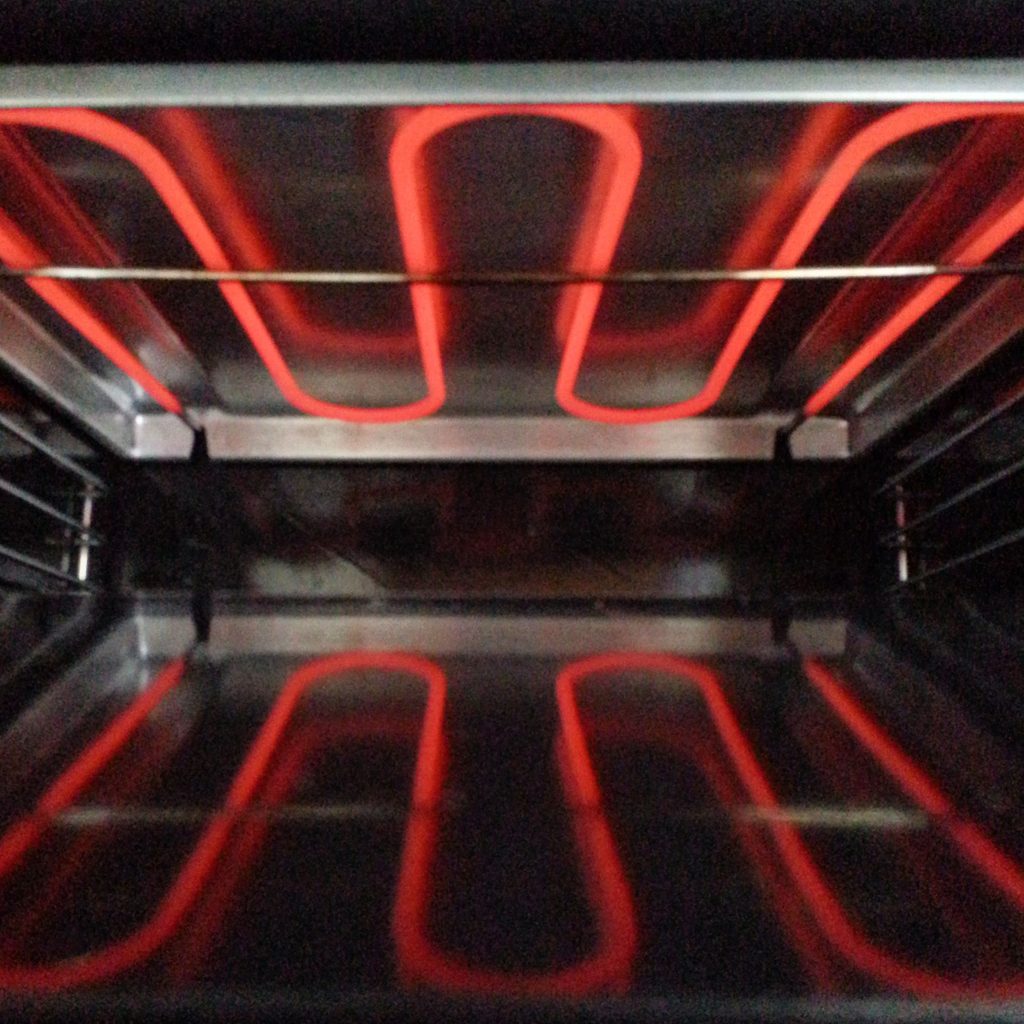
from $185 Oven element and sensor repair
An oven that will not heat, heats to the wrong temperature, or shuts itself down. The sensor and the element are two different repairs and the display usually says which.
- E101 and E104 — sensor open and sensor shorted
- E115, the one to take seriously
- Calibration checked against a thermometer, not a feeling
-
Masterpiece · Professional · Steam · Speed Wall ovens & steam ovens
Built in at eye level, often two cavities in one cabinet, and increasingly one of the two is a steam oven with a water circuit of its own. "The oven is broken" almost always means one cavity of the pair, and which one narrows the job considerably.
- Not heating or not holding temperature
- The touch panel unresponsive after a long cycle
- The door locked after a self-clean
Questions people ask about this
The fan keeps running after I switch the oven off.
It is supposed to. The cooling fan protects the cabinetry and the electronics around a built-in oven and runs until the cavity has cooled — after a long roast or a clean cycle that can be an hour. There is usually no way to switch it off, and there should not be.
Is a humming noise normal during cooking?
If you are using convection, yes — that is the fan circulating air, and it is what makes convection work. It should be a steady hum rather than a rattle or a scrape.
It clicks every couple of minutes.
Relays switching the elements as the oven holds temperature. That is the thermostat working, and it is more audible on a quiet professional oven than on a noisy old one.
The noise is new.
That is the observation that matters. Any of these sounds becoming louder, rougher or slower is worth attention — particularly the cooling fan, which has its own published condition when it turns too slowly.
Can I use the oven with a noisy fan?
For a short cook, usually. But the cooling fan protects your cabinetry rather than your food, so a fan that sounds like it is struggling is not a good thing to keep asking to do that job.
Common Problems
More guides like this one
-
Why a Thermador Oven Takes So Long to Preheat — and When That Is Normal
A large professional cavity genuinely takes longer than the 30-inch oven it replaced, and the preheat signal does not mean what most people think it means. Then the two cases where slow preheating is a real symptom.
Read more -
Thermador Oven Beeping: What Each Pattern Is Telling You
Beeping is the one signal these ovens use for half a dozen unrelated things — a finished timer, a probe target reached, a door left open, or a code on a model with no display to show one. How to turn a noise into a next step.
Read more -
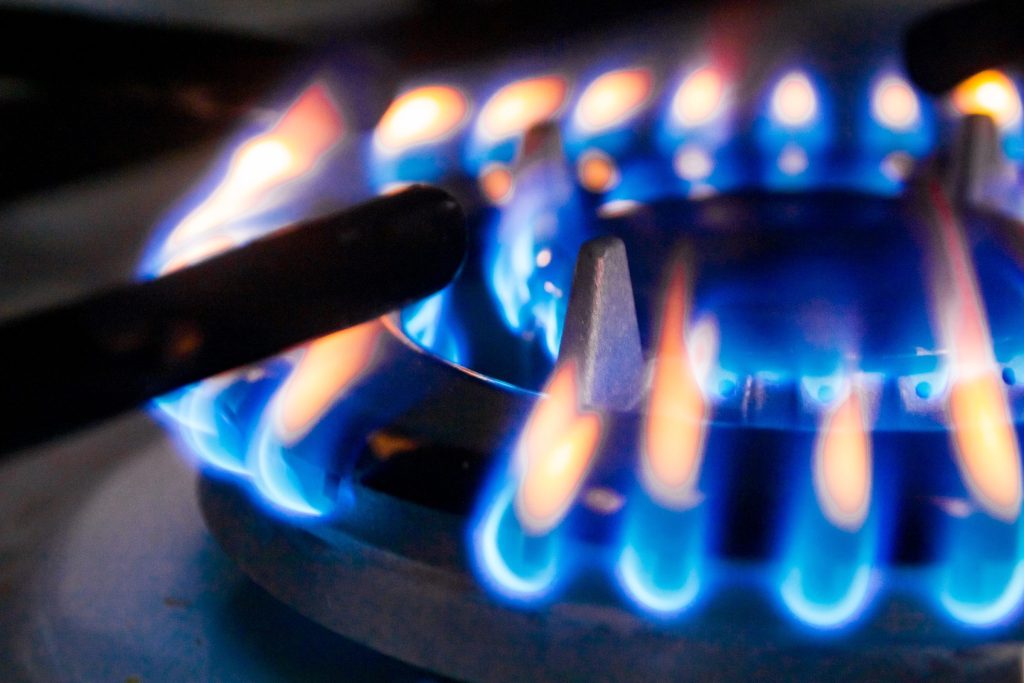
Your Thermador Cooktop Keeps Clicking After the Burner Lights
The burner lit — and the clicking carries on. Moisture, a cap a millimeter out of place, a cracked electrode, and why a sealed burner keeps sparking until it is satisfied the flame is really there.
Read more
Tell us the model number and what it is doing.
This article is based on:
- Official manufacturer documentation
- Internal repair procedures
- Technician repair history
- Company quality standards