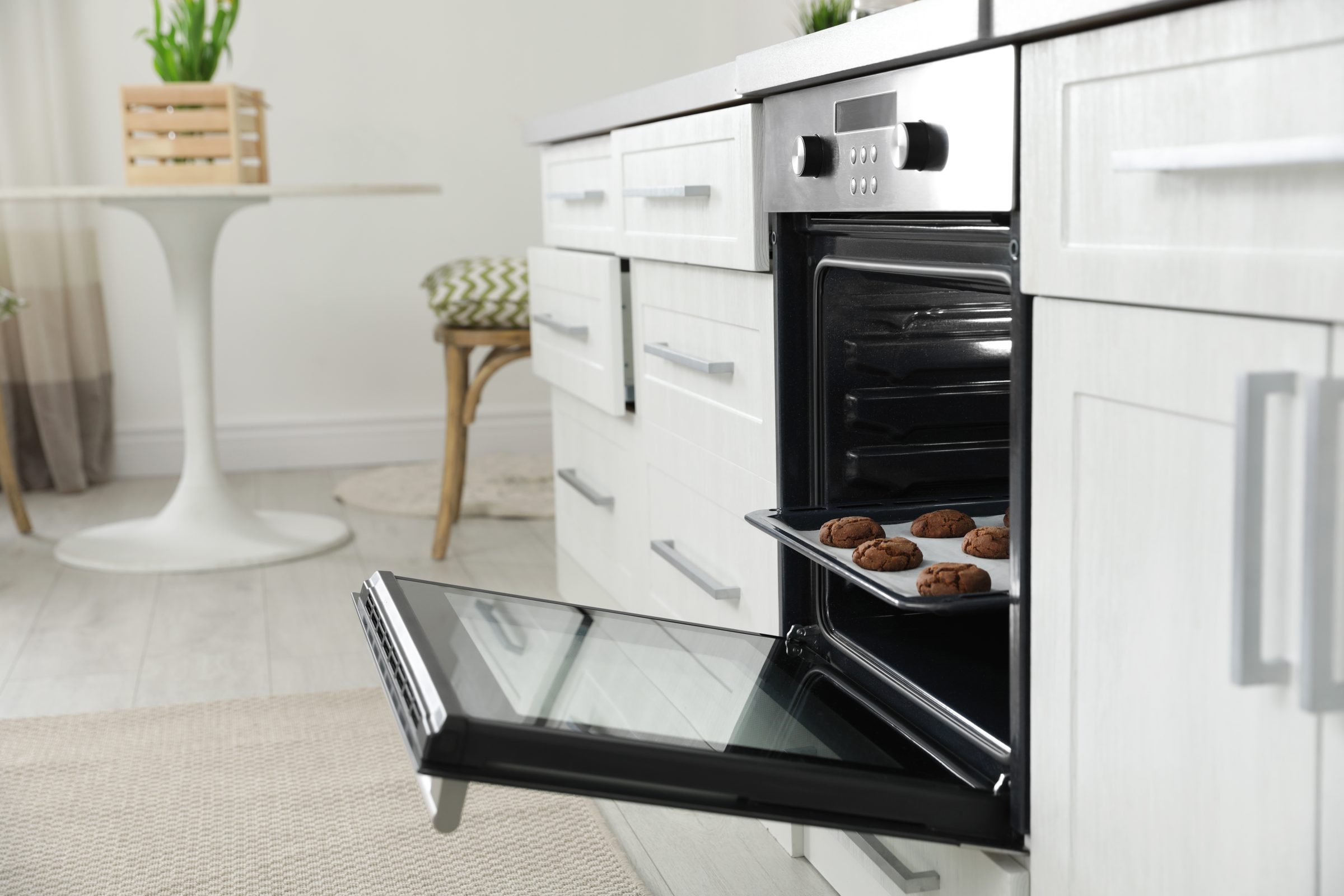
Common Problems
Why a Thermador Oven Takes So Long to Preheat — and When That Is Normal
Ten to fifteen minutes to 350°F is normal for a large cavity, and more for a higher temperature or a cold kitchen. The preheat signal marks the air reaching the set temperature, not the oven walls, so a few extra minutes before you load it genuinely improves results. It is a symptom when preheating has become much slower than it used to be, or when the oven never reaches the set temperature at all.
The full guide
What normal looks like
Ten to fifteen minutes to 350°F on a large cavity, from cold, in a normally warm kitchen. Higher temperatures take longer, and so does a double oven heating both cavities at once.
If your previous oven was a 30-inch slide-in and this one is a professional wall oven or a 48-inch range, it is heating substantially more air and much heavier steel. That is not a defect and it comes with the thing you bought it for: an oven that holds its temperature when a cold tray goes in.
What the preheat signal actually means
The oven tells you when the air has reached the temperature you set. The cavity walls, the door glass and the racks — which do a good share of the actual cooking, by radiating heat — are still behind.
That is why the first batch of anything often browns unevenly, and why professional kitchens preheat for far longer than the beep suggests. Five to ten minutes past the signal for anything baked is worth the wait, and it costs nothing.
A pizza stone or a heavy pan changes everything. Anything with mass in the oven has to reach temperature too, and a stone can take half an hour past the signal. That is the stone, not the oven.
The free way to know whether it is slow
Put an oven thermometer in the middle of the cavity, set 350°F, and read it twenty minutes past the beep.
- At temperature: the oven is fine and the preheat estimate is conservative. Nothing to do.
- Well under: that is a genuine symptom, and it is worth reading against what an oven that will not heat usually turns out to be.
- Well over: a different problem with its own page — running hot is usually a sensor.
When it is real
It has clearly got slower. Not "slower than my last oven" but slower than this one was last year. That usually means an element that has partly failed, or convection that is no longer circulating.
It never reaches the set temperature. The oven runs, warms, and plateaus below the number. A sensor reading wrongly, an element working at half strength, or a door that is not sealing.
Only one cavity is slow. On a double or triple oven that is useful information, because the cavities have their own elements and sensors even though they share a control module.
It slowed after a self-clean cycle. Common enough that we mention it: the cycle finds weaknesses in elements and cutouts that ordinary cooking never reaches.
Things worth ruling out first, in order
- The door seal. Run a hand around the closed door for escaping heat. A gasket that has hardened lets a real amount out, and it is a small repair.
- What is inside. Stones, cast iron and a full rack of trays all slow a preheat and none of them is a problem with the oven.
- The mode. Some modes preheat deliberately gently. Convection is usually the fastest.
- The kitchen. A cold house preheats slower, which matters less here than almost anywhere.
When to call
An oven that has genuinely got slower, one that plateaus below the set temperature, or one where the thermometer and the display disagree by more than about 25 degrees.
Tell us which cavity, what the thermometer said, and whether anything changed around the time it started — particularly a self-clean cycle or a power outage. What the repair involves and what it starts at.
If it turns out to be a repair
What this leads to, and what it costs
Every job on this site is priced the same way: an on-site diagnostic first, the figure agreed in writing before anybody starts.
-
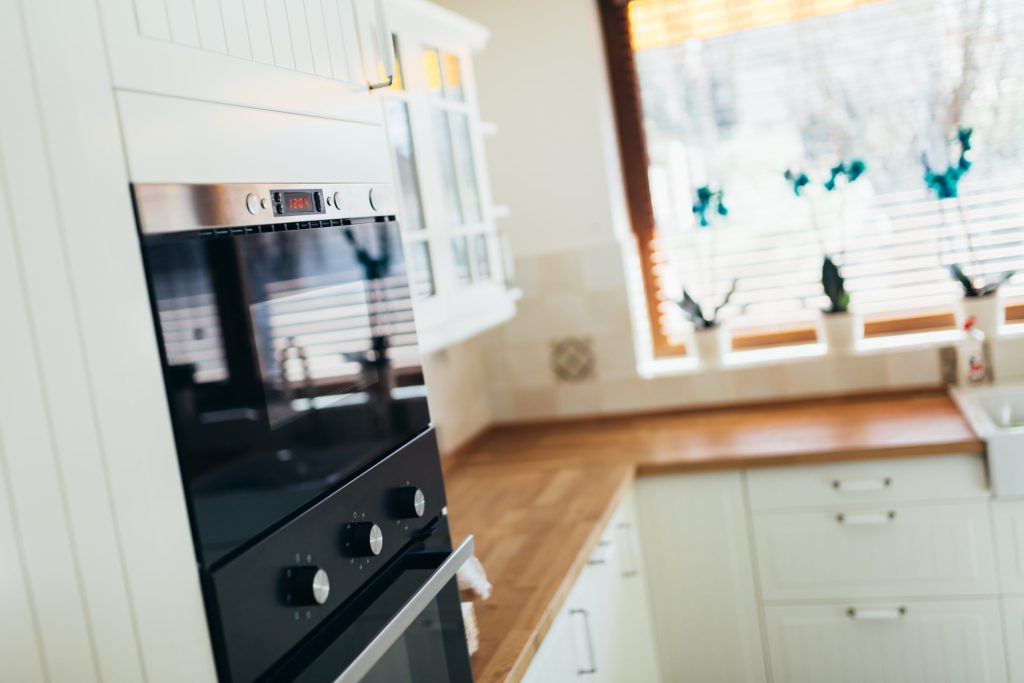
The code says which half Oven not heating
An oven that lights up, sets a temperature and never gets there — or does nothing at all. On a double oven the code tells you which cavity before anyone opens anything.
- Sets a temperature and stays cold
- One cavity works, the other does not
- A code beginning E1 or E3
-
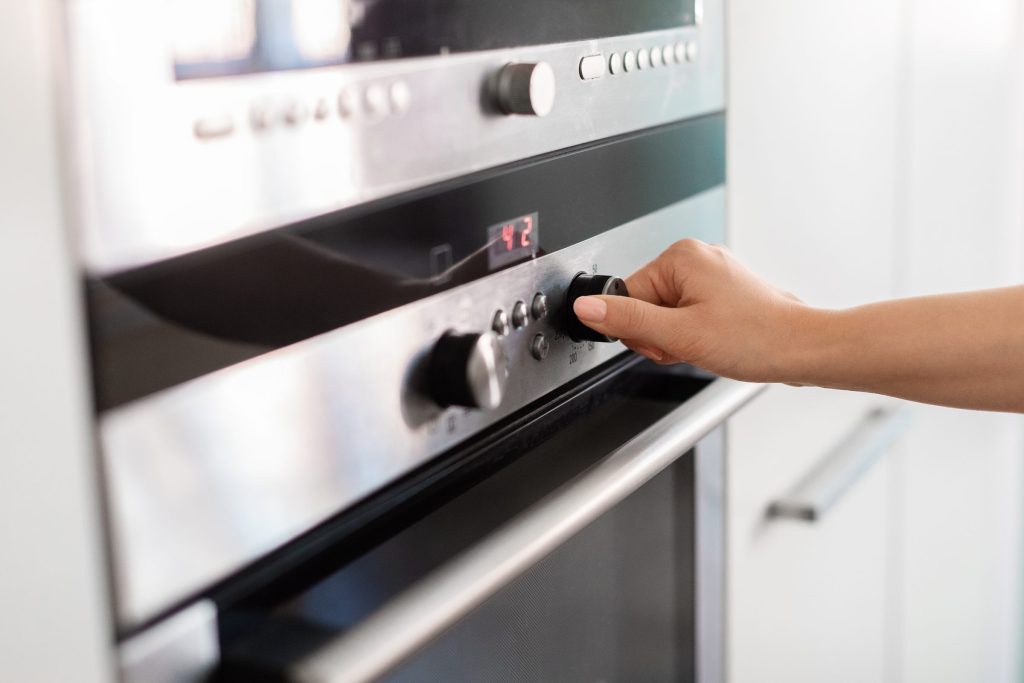
Measure before you judge Oven runs hot or cold
Baking that has gone wrong at the same setting you have always used. A thermometer in the middle of the oven settles in twenty minutes what an argument about it never will.
- Everything browning too fast, or not at all
- A consistent offset at every setting
- A code in the E1 or E2 hundreds
-
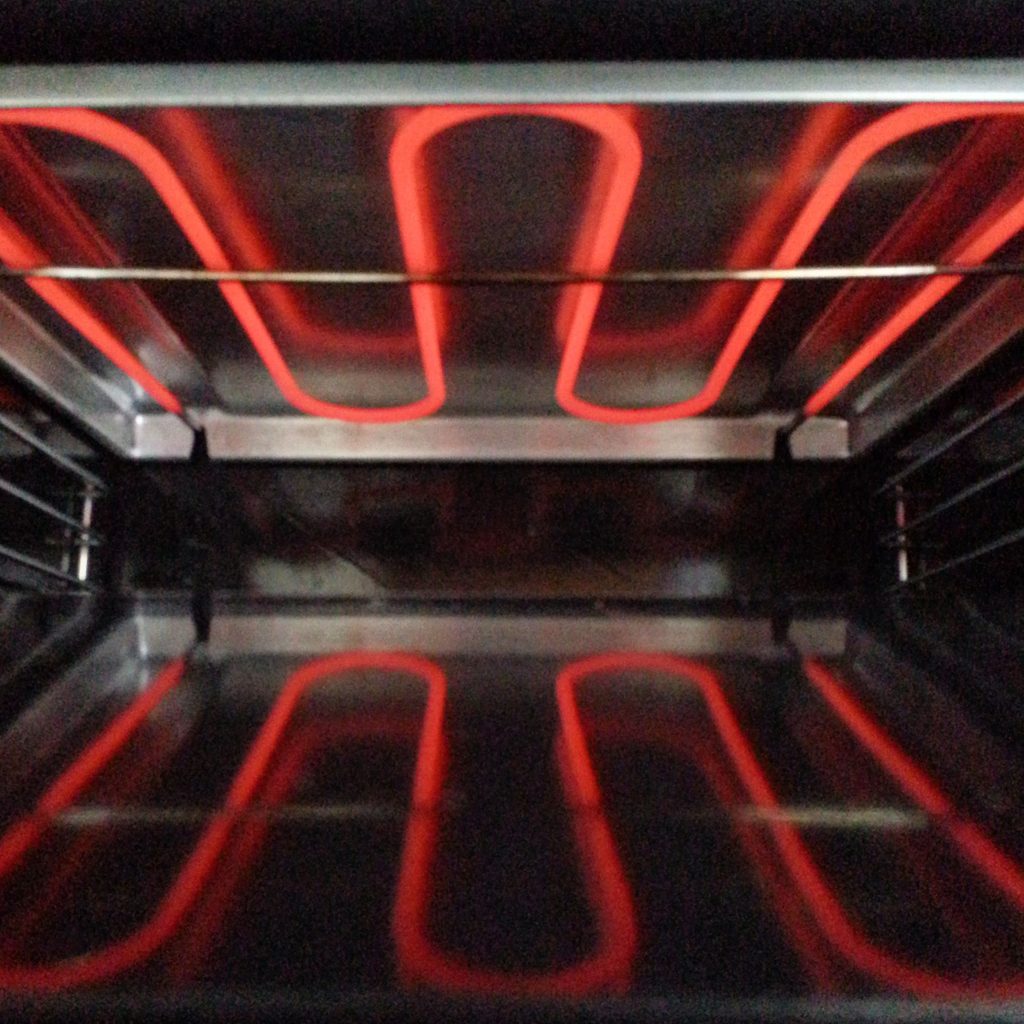
from $185 Oven element and sensor repair
An oven that will not heat, heats to the wrong temperature, or shuts itself down. The sensor and the element are two different repairs and the display usually says which.
- E101 and E104 — sensor open and sensor shorted
- E115, the one to take seriously
- Calibration checked against a thermometer, not a feeling
-
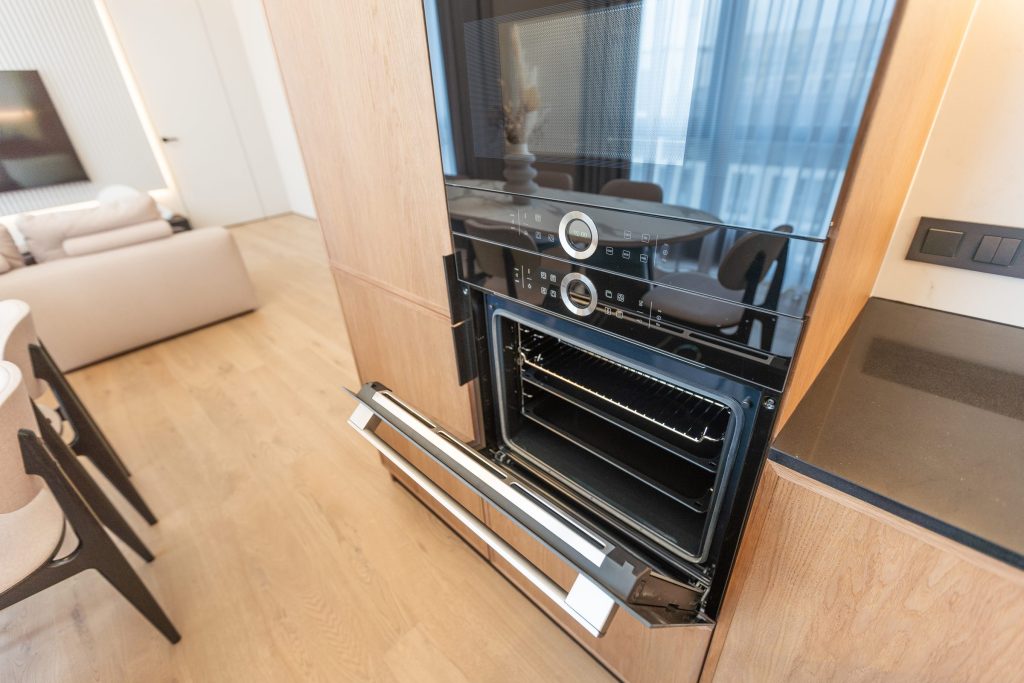
Masterpiece · Professional · Steam · Speed Wall ovens & steam ovens
Built in at eye level, often two cavities in one cabinet, and increasingly one of the two is a steam oven with a water circuit of its own. "The oven is broken" almost always means one cavity of the pair, and which one narrows the job considerably.
- Not heating or not holding temperature
- The touch panel unresponsive after a long cycle
- The door locked after a self-clean
Questions people ask about this
My old oven was faster. Is this one broken?
Probably not. A large professional cavity holds far more air and much heavier steel, and heating all of it takes longer than heating a small one. It also holds temperature better once it is there, which is the trade being made.
Does convection preheat faster?
Usually yes, because the fan moves heat into the cavity instead of waiting for it to migrate. Whether that is the right mode for what you are cooking is a separate question.
Should I wait after the beep?
For anything baked, yes — five to ten minutes. The signal means the air has reached temperature; the walls and racks that do a lot of the actual cooking are still catching up, which is why the first tray often browns unevenly.
How do I know if it is genuinely slow?
A thermometer in the middle, set 350°F, and read it twenty minutes past the beep. If it is at temperature the oven is fine and the preheat estimate is just conservative. If it is well under, that is a symptom.
It preheats fine but food takes longer.
That points at convection or airflow rather than at the elements — a fan not circulating leaves an oven hot at the top and cool at the rack, which reads as an oven that has slowed down.
Common Problems
More guides like this one
-
Thermador Oven Beeping: What Each Pattern Is Telling You
Beeping is the one signal these ovens use for half a dozen unrelated things — a finished timer, a probe target reached, a door left open, or a code on a model with no display to show one. How to turn a noise into a next step.
Read more -
Why a Thermador Oven Is Loud, and Which Noises Matter
A fan that keeps running after the oven is off is designed behavior and the most common is-my-oven-broken call there is. The four noises these ovens make, which one has a published code of its own, and when to stop wondering.
Read more -
Your Thermador Cooktop Keeps Clicking After the Burner Lights
The burner lit — and the clicking carries on. Moisture, a cap a millimeter out of place, a cracked electrode, and why a sealed burner keeps sparking until it is satisfied the flame is really there.
Read more
Tell us the model number and what it is doing.
This article is based on:
- Official manufacturer documentation
- Internal repair procedures
- Technician repair history
- Company quality standards