Troubleshooting
How to Reset a Thermador Dishwasher (and When a Reset Is the Wrong Move)
To cancel a running program, hold the Start key for three to five seconds until the display clears and the machine drains. To reset the control, switch the machine off at its own key, wait, and switch it on. The full reset is five minutes off at the breaker or at the outlet under the sink. None of the three repairs anything — a code that returns after a full reset is reporting a real condition.
The full guide
First: photograph the display
A code clears with the reset, and it is the most useful thing in the kitchen. Get every character — these machines label the same condition differently across generations, so E24, E6102 and E61-03 all mean water is not leaving the machine, and all of them find the same page in the code archive here.
The three resets, gentlest first
1. Cancel the running program
Hold the Start key for three to five seconds. The display clears and the machine runs a short drain to empty the tub.
This is the right one when a cycle has stalled — the machine is sitting mid-wash with nothing happening. It ends the program cleanly and leaves the machine ready to start again.
2. Off and on at the machine's own key
Wait half a minute between. This clears the control's working state without touching anything stored, and it is enough more often than people expect for lights that do not match the cycle or a program that will not select.
3. Five minutes at the breaker
Genuinely off. Built-in machines are usually on an outlet inside the cabinet under the sink, and that outlet is very often on the same switch as the garbage disposal — which means somebody may already have reset your dishwasher by accident, and it also means that switch is the first thing to check on a machine that is completely dead.
A reset is not a repair. It clears a state. If the condition behind that state is still there, the code comes back — and it coming back is genuinely useful information, obtained in five minutes, before anyone was booked.
The one case where resetting is the wrong move
If the machine is showing a leak condition, it has water in its base pan and it has stopped on purpose. Clearing that is not a fix and repeating it is worse than doing nothing: the float stays lifted while water is still arriving, and every reset buys a few more minutes of a leak nobody has looked for.
The right order is the other way around:
- Turn off the water at the shut-off valve under the sink.
- Find where it came from — the door seal at the bottom corners, the connections behind the machine, the sump, or simply too much detergent foaming past a perfectly good seal.
- Dry the pan. Off at the breaker, tipped gently back on a towel for a few minutes, left overnight.
- *Then* let it run. If the condition never returns, the water was a one-off.
There is advice on the internet that tipping a dishwasher backwards "fixes" this code. It drains the pan, which clears the lockout, and it repairs nothing at all — the leak is still where it was. What a leak repair actually involves.
What survives every reset
Conditions rather than states, and each of them will simply be reported again:
- A blocked drain. Reset as often as you like; the water is still not leaving. The filter unscrews by hand and is the answer more often than the pump.
- Scale in the heat pump. On Miami-Dade water this platform publishes a code for it. The machine will keep saying so until it is descaled.
- A door it cannot confirm is closed. No reset starts a machine with an unlatched door, and on a panel-ready door that has settled slightly, "closed" and "latched" are not the same thing.
- Low supply voltage. Published as its own condition, and it is about your building rather than your dishwasher.
Is there a factory reset?
There is a service mode, entered with a key combination that varies by model and generation. It is not a consumer reset and it is not a fix for anything on this page — it exists so a technician can read what the machine has stored and run its components individually. Nothing in it makes a blocked drain drain.
When to call
The code came back after a full five-minute reset. The machine is dead with the cabinet switch and breaker confirmed good. Or there is water on the floor rather than only in the pan.
Tell us the model number and the code — every character of it — and we will tell you what it covers and what it should cost before anyone comes out.
If it turns out to be a repair
What this leads to, and what it costs
Every job on this site is priced the same way: an on-site diagnostic first, the figure agreed in writing before anybody starts.
-
Often a protection Dishwasher will not start
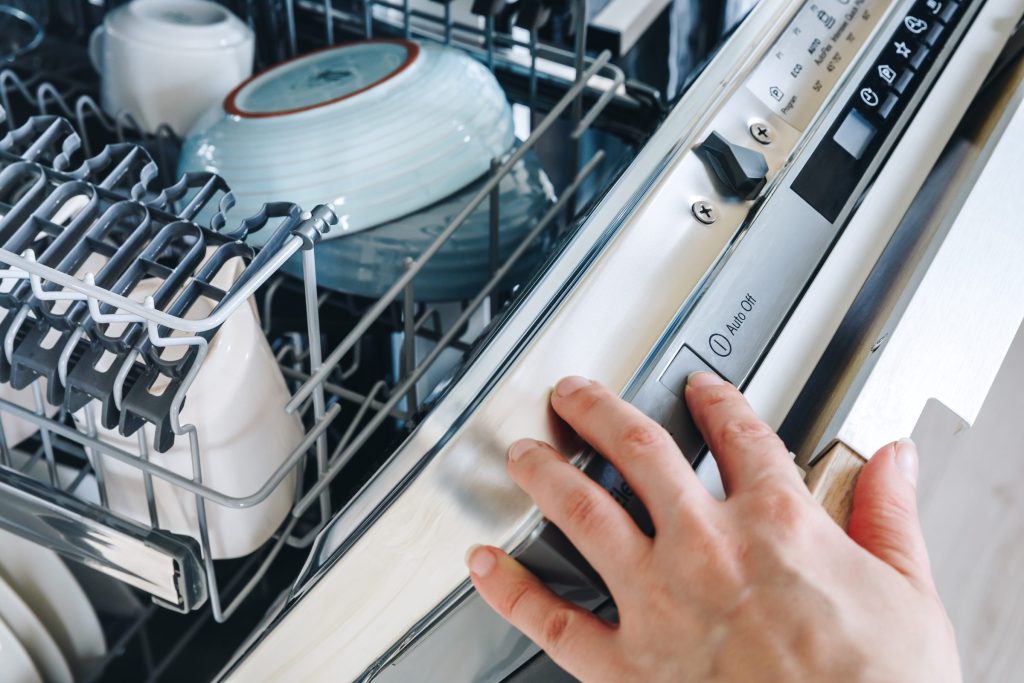
A machine with lights on that will not run, or one that shows nothing at all. On this platform a machine that refuses to start is usually protecting itself, and the code says which protection.
- Lights on, nothing happens
- A code showing before the cycle begins
- Dead panel, no lights at all
-
The machine stops itself Dishwasher leaking
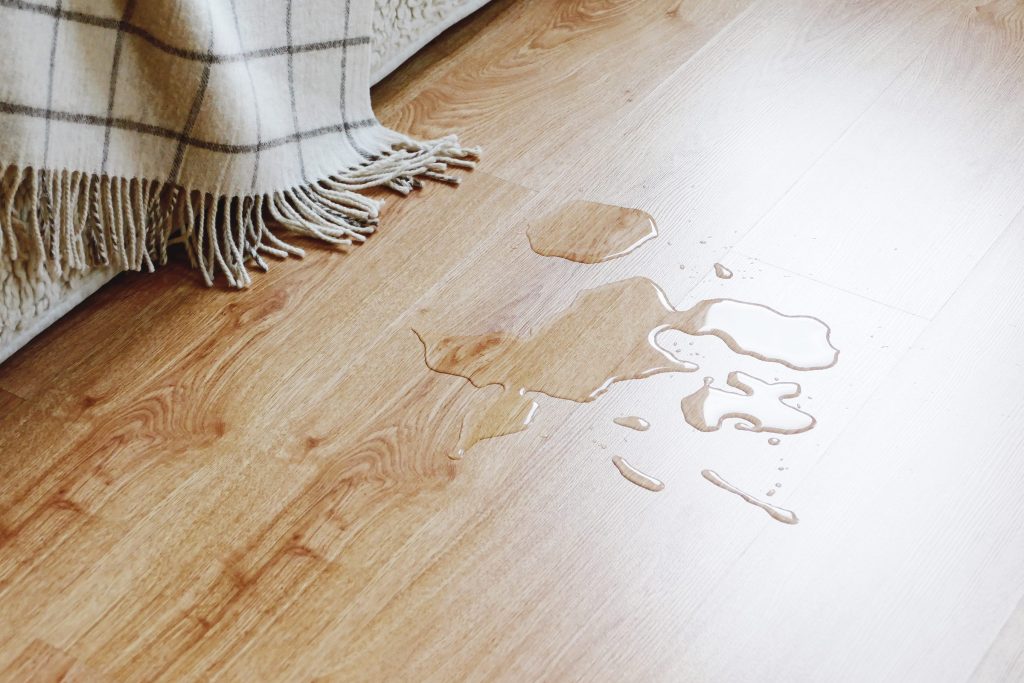
Water on the floor, or a machine that will not start and shows E15. The lockout is a protection working rather than a failure, and it clears once the pan is dry and the cause is found.
- E15 and the anti-flood lockout
- A damp patch at the front of the cabinetry
- A machine that runs, then stops mid-cycle
-
Masterpiece · Star-Sapphire · Crystal Dry Dishwashers
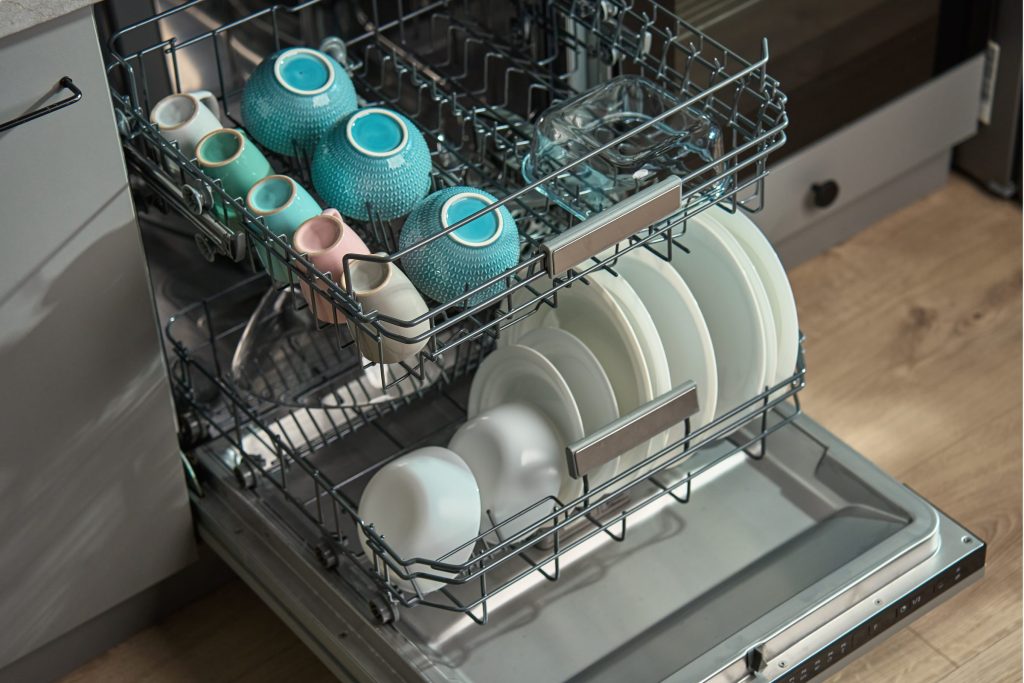
Quiet, panel-ready, and dried by a mineral chamber rather than a heating element. Two of the commonest complaints about these machines are the design working exactly as intended; the third is a filter nobody has taken out in a year.
- Water standing in the tub after a cycle
- Plastics coming out wet
- The leak protection tripping and the machine refusing to run
-
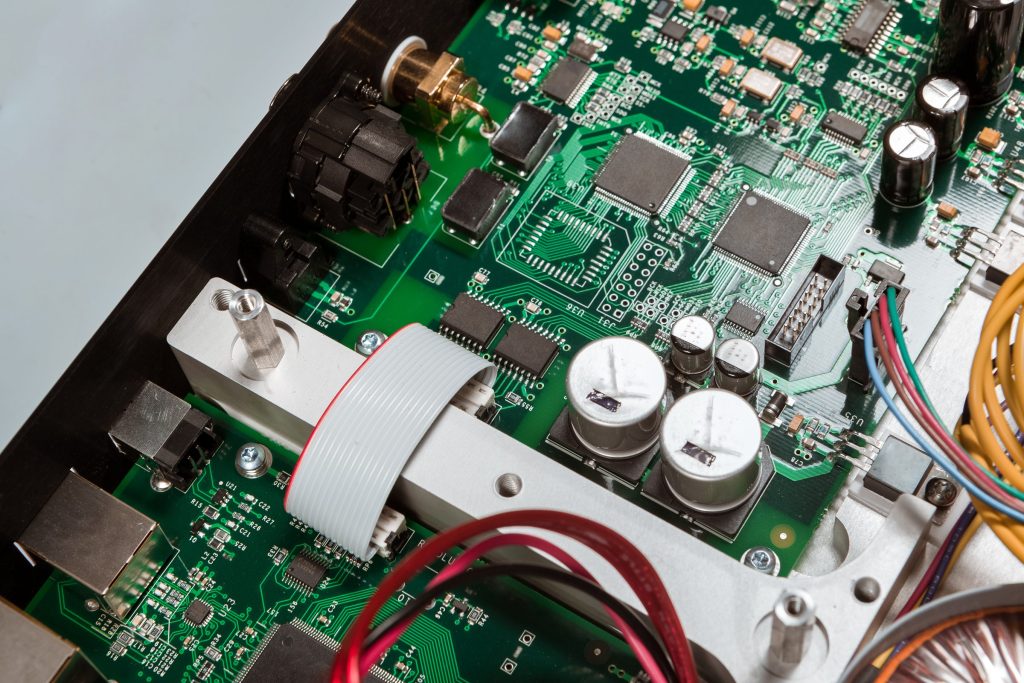
from $95 Diagnostic visit
We read the codes on site — including the ones a machine with no display blinks out — then test the circuit the code names before saying anything about the repair. The fee is credited toward the work when you go ahead.
- Codes and blink patterns read on site
- The circuit tested before a part is named
- Credited toward the repair
Questions people ask about this
Which reset should I try first?
The gentlest that matches the problem. A program stalled mid-wash wants the cancel; a machine behaving oddly wants off-and-on at its own key; a machine that came back strange after a power cut wants five minutes at the breaker.
Does a reset fix anything?
Almost never, and that is the useful part. A reset clears a state. If the condition behind it is still there — a blocked filter, water in the base pan, scale in the heat pump — the code returns on the next cycle, and its returning tells you it is real.
There is a leak code. Can I reset that?
You can clear it and it will come straight back while the pan still holds water. That lockout is a protection working. Dry the pan, find where the water came from, and the machine runs normally again.
Where is the reset button?
There is not one. These machines have no dedicated reset button — what people mean by it is the Start key held down, which cancels the program and drains the tub.
Nothing responds to any key.
Check the child lock first, which is a key held for a few seconds and easy to set while wiping the panel. If the lock is off and nothing responds after a full reset, the control is the question rather than the setting.
Troubleshooting
More guides like this one
-
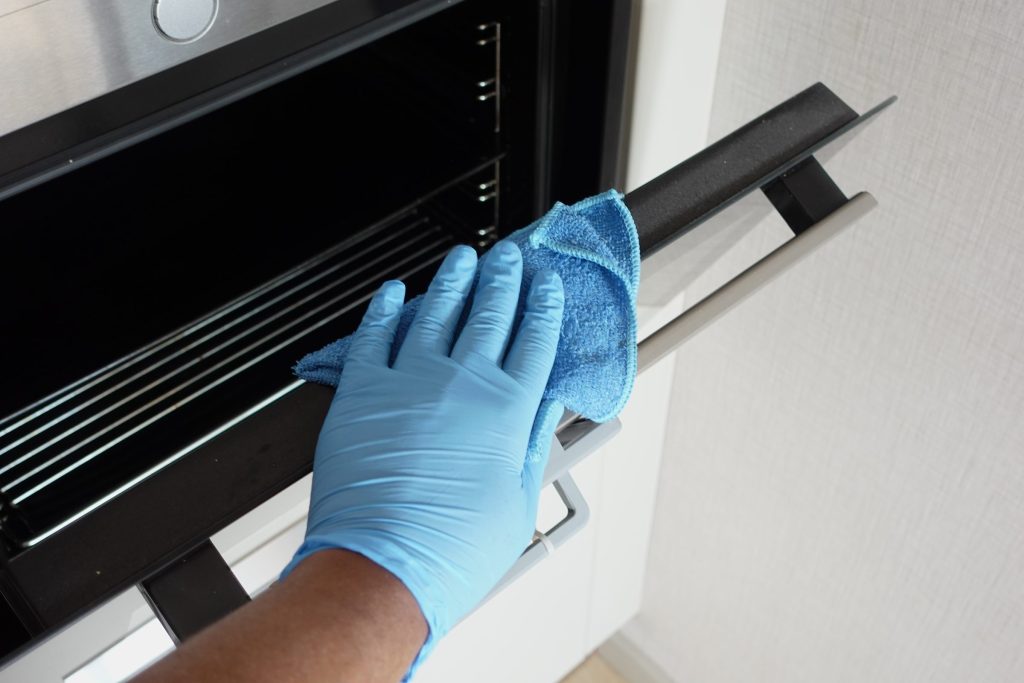
Resetting a Thermador Oven After a Power Outage
Storm season leaves ovens with a flashing clock, a mode nobody set, or a code that arrived with the surge. What a reset clears, in the order to try them, and which codes survive one and therefore mean something.
Read more -

Resetting a Thermador Induction Cooktop, and Reading Its F Codes
Induction cooktops lock out far more often than they fail, and which reset helps depends on which lockout you have. Child lock, wet panel, thermal protection and power limit — with the F codes that name each one.
Read more -

Resetting a Thermador Ice Maker, and Giving It Time to Work
Most ice-maker resets are done too soon. The manufacturer's own production figures first, then the reset itself — plus the filter registration and the ice shovel that stop production while looking like nothing at all.
Read more
Tell us the model number and what it is doing.
This article is based on:
- Official manufacturer documentation
- Internal repair procedures
- Technician repair history
- Company quality standards