
Troubleshooting
Resetting a Thermador Ice Maker, and Giving It Time to Work
Switch the ice maker off at the control panel, wait a minute, and switch it back on; on most models that is the reset. Before doing it, check the two documented free causes: a cube jammed in the level arm, and the ice shovel left in the bin, which stops the sensor reading the level. Then give it time — 24 hours to make any ice and up to 72 hours for full production.
The full guide
Before the reset: the numbers that settle most of these
An ice maker that "is not working" is very often an ice maker that has not been given time. The manufacturer's own figures:
- About 24 hours from switch-on before it produces any ice at all
- Up to 72 hours to reach full production
- 70 to 120 cubes in 24 hours once the cabinet is properly cold
If yours has been switched off, moved, defrosted or newly installed inside that window, it is probably behaving correctly. Measure against the numbers before deciding anything is wrong.
The two free causes, checked first
A cube jammed in the level arm. The arm measures how full the bin is. One cube lying across it and the ice maker concludes the bin is full and stops — with a half-empty bin in front of you. Lift the bin out and release anything jammed with a blunt plastic tool. Nothing sharp: these liners crack.
The ice shovel left in the bin. Documented by the manufacturer as a cause of stopped production, because the sensor cannot read the level around it. Take it out and keep it out.
Between them these account for a striking share of the calls we would otherwise be booked for, and neither costs anything.
The reset
Switch the ice maker off at the control panel, wait a minute, and switch it back on. On most of these models that is the whole reset — there is no dedicated button, and the hidden reset buttons described online generally belong to other makes.
Then wait. A reset restarts the cycle; it does not skip the 24 hours.
A power cycle of the whole column — off at the breaker for five minutes — clears more, and it is worth doing if the cabinet as a whole came back strange after an outage. It is not a stronger version of the ice maker reset; it is a different tool.
After a filter change specifically
This is the single most common "it stopped working" story on this equipment, and it usually is not a failure.
- Check the filter is fully rotated home. The lines on the cap should align with the lines on the compartment. A filter half-turned restricts flow enough to stop ice.
- Register it. Hold LIGHT / FILTER, or SUPER COOL, together with ICE for three seconds. On many models the reminder is a counter that has to be told the filter is new — the symbol keeps flashing otherwise, and people conclude the new filter is defective.
- Purge the line. Run several glasses through the dispenser. The first ones may be cloudy with trapped air, which is expected and clears.
The full filter and reset guide covers the odor filter and the water filter locations as well.
Then work down the chain
If it has had its time, the bin is clear and the filter is registered, the order is:
- Water arriving at all — shut-off valve fully open, no kink in the line behind the appliance
- Pressure — low house pressure gives small, hollow cubes long before it gives none
- Freezer temperature — ice is the first thing to suffer when a cabinet runs a few degrees warm, and that is a column question rather than an ice-maker one
- The fill valve or the assembly itself — which is where a repair actually lives
When to call
Water is reaching the dispenser but no ice is forming after 72 hours. Or ice forms and never releases. Or there is water in the bin rather than ice, which is its own story.
Tell us the model number, how long it has been, and what the water is doing at the dispenser — that last one splits this into two very different repairs before anyone leaves the workshop.
If it turns out to be a repair
What this leads to, and what it costs
Every job on this site is priced the same way: an on-site diagnostic first, the figure agreed in writing before anybody starts.
-
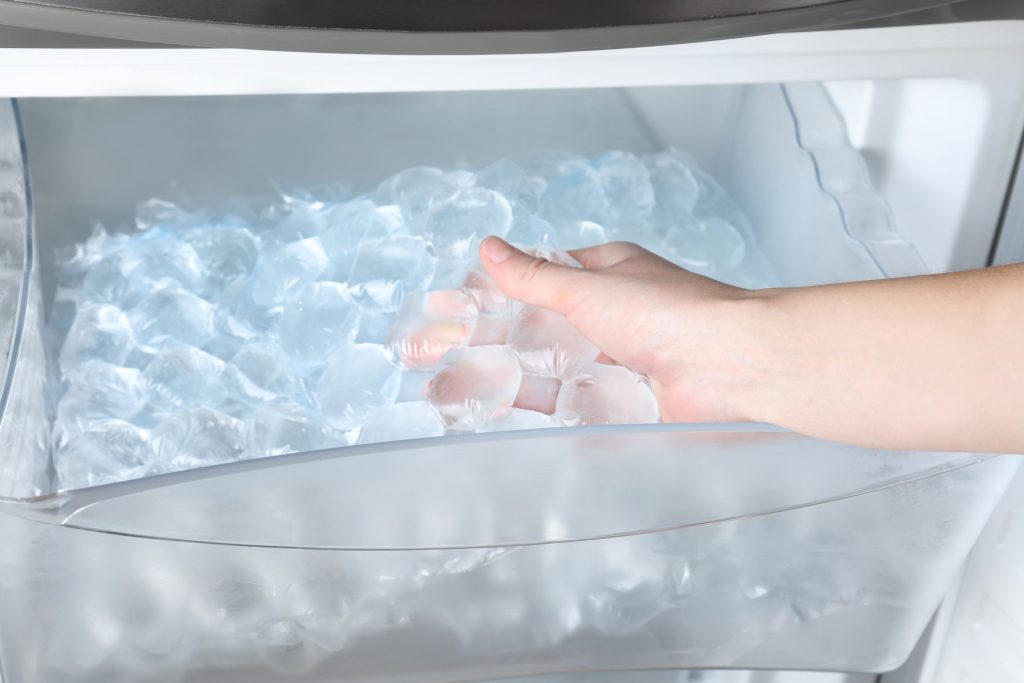
Give it time first Ice maker not making ice
No ice, or not enough of it. The manufacturer's own figures matter here: a day from switch-on before it makes any, and three days before it makes what it should.
- No ice at all after a day or more
- Much less ice than it used to make
- Hollow or small cubes
-

from $155 Ice maker and water repair
No ice, not enough ice, or a water filter symbol that will not stop flashing. A useful share of these end at a filter and a three-second button hold.
- The filter reset that clears a flashing symbol
- Supply, pressure and freezer temperature checked first
- Harvest problems separated from fill problems
-
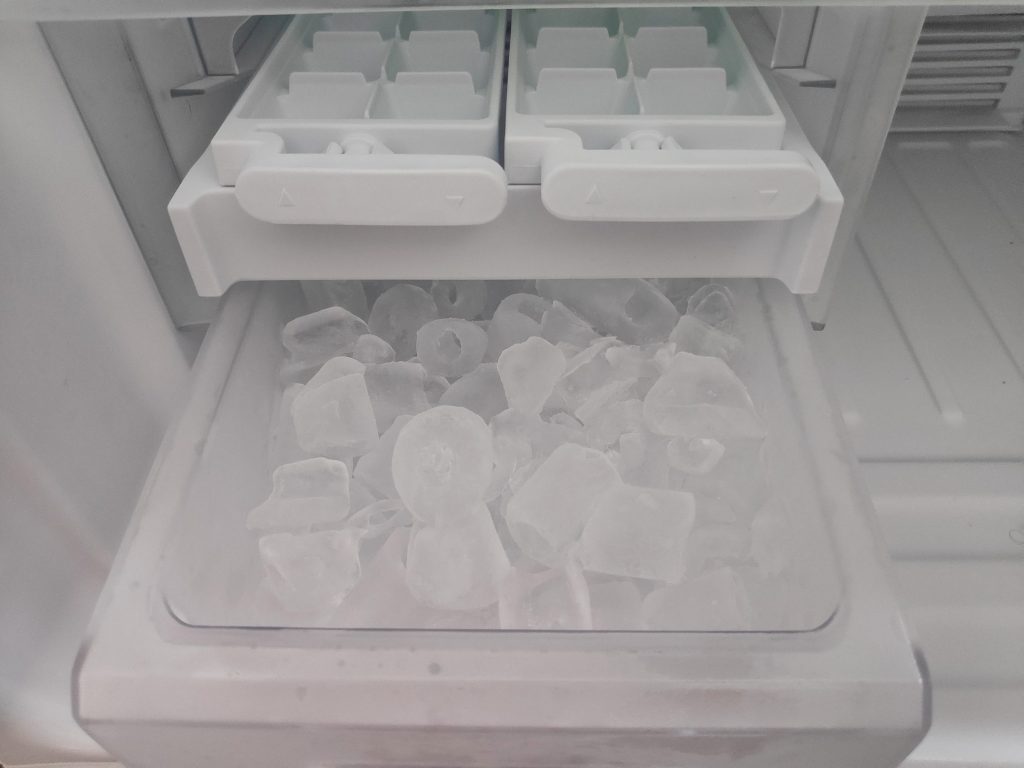
Inside the freezer column Ice makers
There is no standalone ice machine on this brand. The ice maker is a module inside a freezer column, fed by a water line run through the cabinetry — so this page is about that module and the water reaching it, not about an undercounter machine behind a bar.
- No ice at all, in a freezer that is holding temperature
- Hollow, small or cloudy cubes from a full mold
- Ice that has taken on a taste or a smell
-
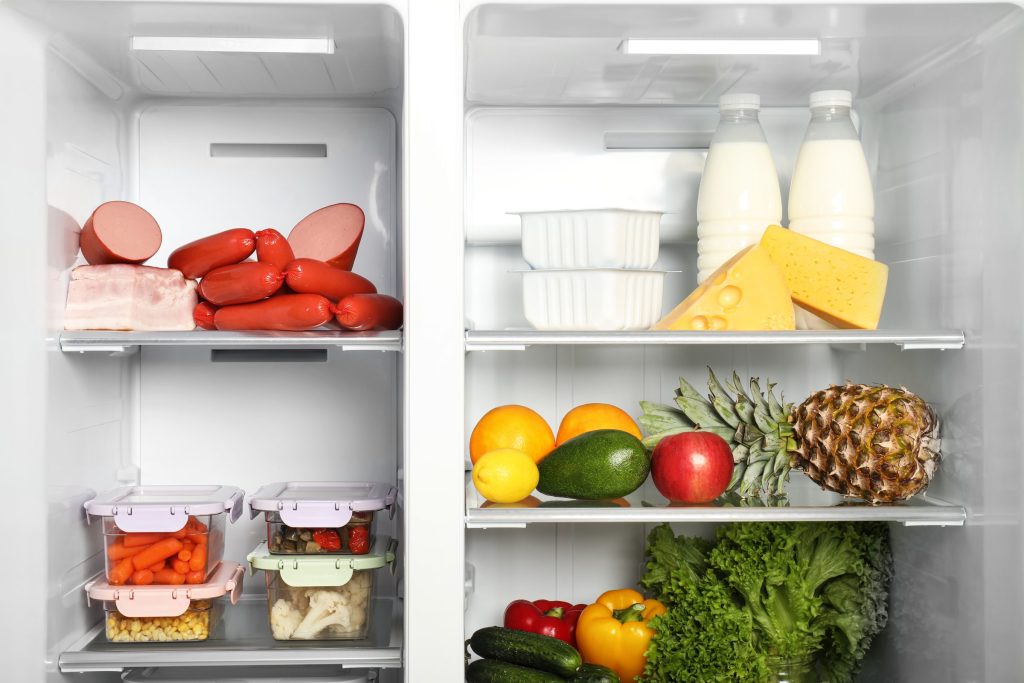
Freedom columns · French door · Under-counter Built-in refrigerators & columns
A Freedom column is one cabinet holding one temperature — all refrigerator, no freezer in it — usually installed beside a freezer column as a matched pair behind panels that look like joinery. That makes the diagnosis cleaner and the access harder.
- Not holding temperature
- Frost or condensation inside the cabinet
- A door that no longer seals against its panel
Questions people ask about this
How much ice should it actually make?
The manufacturer's figure is 70 to 120 cubes in 24 hours once the cabinet is cold, with up to 72 hours from switch-on to get there. Judging a newly powered ice maker at twelve hours is the commonest mistake on this subject.
It stopped right after I changed the water filter.
Check the filter is fully rotated home with the marks aligned, then register it: hold LIGHT / FILTER — or SUPER COOL — together with ICE for three seconds. A restricted or unregistered filter is the usual reason production stops after a change.
The cubes are small and hollow.
That is water rather than ice-making — a restricted filter, a partly closed shut-off valve, or low pressure at the house. Cheaper to fix and more likely than the ice maker.
Is there a reset button?
On most of these the reset is switching the ice maker off and on at the control panel rather than a dedicated button. Anything described as a hidden reset button is usually a test procedure from a different make.
It made ice, then stopped, and the bin is half full.
Look at the level arm and for the ice shovel. One cube across the arm, or the shovel left in the bin, and the ice maker believes the bin is full and stops — both are documented causes and both cost nothing.
Troubleshooting
More guides like this one
-
Resetting a Thermador Oven After a Power Outage
Storm season leaves ovens with a flashing clock, a mode nobody set, or a code that arrived with the surge. What a reset clears, in the order to try them, and which codes survive one and therefore mean something.
Read more -
Resetting a Thermador Induction Cooktop, and Reading Its F Codes
Induction cooktops lock out far more often than they fail, and which reset helps depends on which lockout you have. Child lock, wet panel, thermal protection and power limit — with the F codes that name each one.
Read more -
How to Reset a Thermador Dishwasher (and When a Reset Is the Wrong Move)
The reset most people are looking for is a cycle cancel. The one that helps is five minutes at the breaker. Both are here — along with the case where resetting is exactly the wrong move, because the machine has locked itself out over water.
Read more
Tell us the model number and what it is doing.
This article is based on:
- Official manufacturer documentation
- Internal repair procedures
- Technician repair history
- Company quality standards