Common Problems
Why an Ice Maker Leaks Water, and Where It Is Coming From
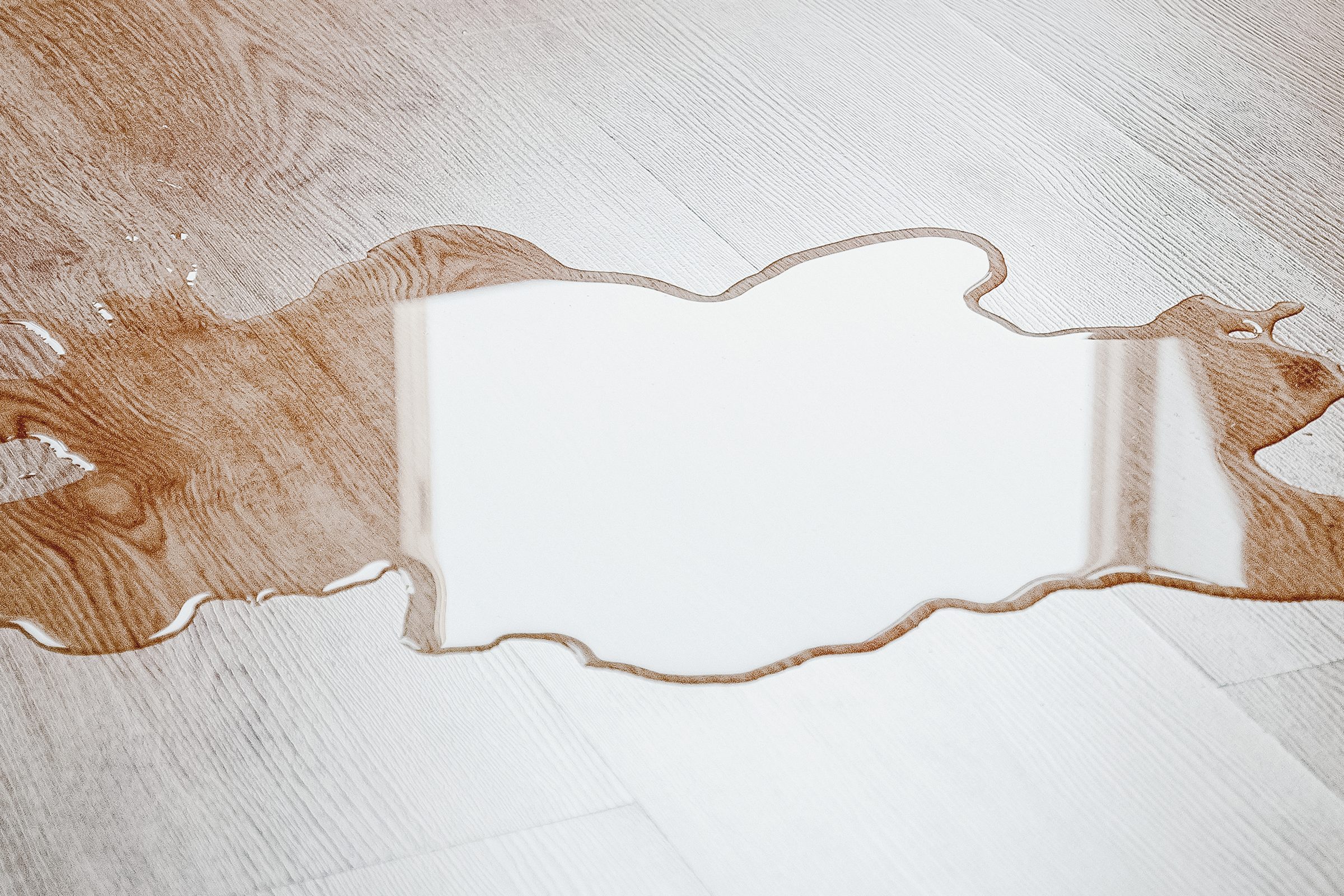
Water in the bin with ice fused into a block usually means the fill valve is seeping between cycles, or the fill tube froze and overflowed. Water under the drawer with normal ice usually means a blocked defrost drain. A cabinet running a few degrees warm produces both at once, and a column out of level makes any of them worse.
The full guide
First: where exactly is the water
The answer to that question sorts this page into four very different repairs.
In the bin, with the cubes fused into a block. Water is arriving when it should not, or ice is thawing and refreezing.
Under the drawer, as a sheet of ice, with normal ice in the bin. Melt water that could not leave the cabinet. That is the drain, not the ice maker.
At the front, on the floor. Either of the above, once there is enough of it — or the door seal.
Around the filter housing. A cartridge not fully seated. Ten seconds to check and it happens more than people expect.
The four sources
1. A fill valve that seeps
The valve lets a measured amount of water into the mold and closes. One that no longer seals fully drips between cycles, and what it drips freezes onto the last batch. The tell is ice that grows into a solid lump rather than staying as cubes.
This is a part rather than a setting, and it is the cheaper end of an ice-maker repair.
2. A frozen fill tube
The tube that carries water to the mold sits in a cold place by definition. If a fill is slow — low pressure, a restricted filter — water lingers in it and freezes. The next fill arrives, meets ice, and goes everywhere except into the mold.
Thawing it clears it once. If it returns, the reason the fill was slow is the actual problem, and that is usually pressure or a filter.
3. A blocked defrost drain
Nothing to do with the ice maker. Melt water from the evaporator cannot leave, so it pools and refreezes under the drawer. Clearing it is a ten-minute job with warm water and soft tubing.
4. A cabinet running a few degrees warm
This one produces several symptoms at once: soft ice, ice fusing, and more melt water than the drain was designed for. If the ice is poor and there is water, look at the column rather than at the ice maker. How a warm cabinet is worked through.
The thing that makes all of it worse
A column that is not level. Water sits where it should run, the door does not close squarely, and melt water finds the front instead of the drain. On built-in equipment leveling is an installation question rather than an afternoon one, but it is worth knowing that it can be the cause rather than a detail.
What to check before calling
- Is the filter fully rotated home, with the marks aligned?
- Is the water pressure at the dispenser normal?
- Is the ice poor as well as wet — small, hollow, or slow?
- Where exactly is the water: bin, under the drawer, or the floor?
- Has anything changed — a filter, a defrost, a power cut?
Those five answers tell us which of the four sources above we are coming for, and that decides what we bring. What the repair involves and what it starts at.
If it turns out to be a repair
What this leads to, and what it costs
Every job on this site is priced the same way: an on-site diagnostic first, the figure agreed in writing before anybody starts.
-
Give it time first Ice maker not making ice
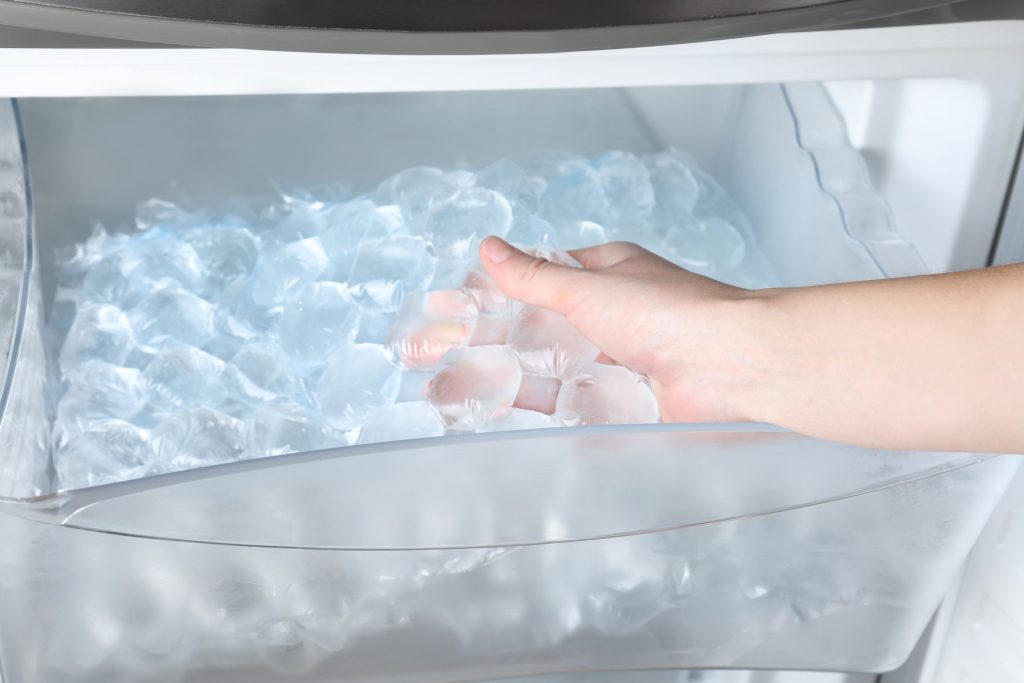
No ice, or not enough of it. The manufacturer's own figures matter here: a day from switch-on before it makes any, and three days before it makes what it should.
- No ice at all after a day or more
- Much less ice than it used to make
- Hollow or small cubes
-

from $155 Ice maker and water repair
No ice, not enough ice, or a water filter symbol that will not stop flashing. A useful share of these end at a filter and a three-second button hold.
- The filter reset that clears a flashing symbol
- Supply, pressure and freezer temperature checked first
- Harvest problems separated from fill problems
-
from $280 Condenser and fan service
The single most useful thing anybody does to built-in refrigeration in this climate, and the one most often left undone until something expensive happens.
- Condenser cleaned properly, not blown around
- Fans tested for speed as well as movement
- Clearances checked against how it is built in
-
Inside the freezer column Ice makers
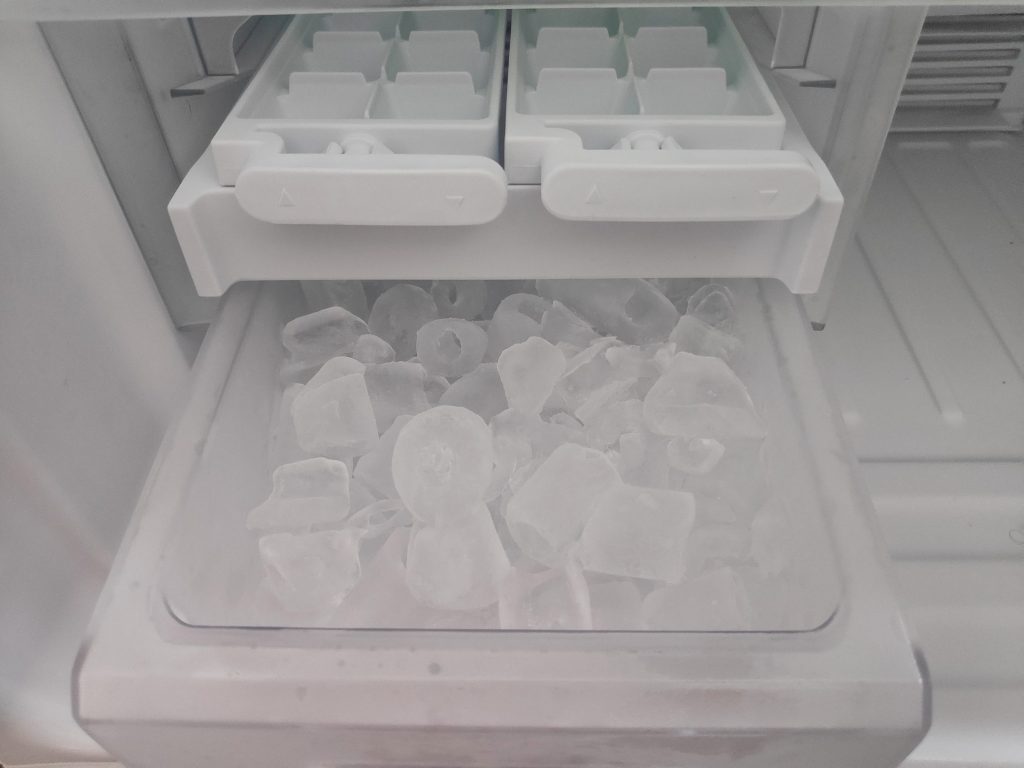
There is no standalone ice machine on this brand. The ice maker is a module inside a freezer column, fed by a water line run through the cabinetry — so this page is about that module and the water reaching it, not about an undercounter machine behind a bar.
- No ice at all, in a freezer that is holding temperature
- Hollow, small or cloudy cubes from a full mold
- Ice that has taken on a taste or a smell
Questions people ask about this
The cubes have fused into one lump.
That is water arriving when it should not, or ice thawing and refreezing. Between cycles a fill valve that seeps drips into the mold; a fill tube that froze overflows on the next fill. Both produce exactly that block.
There is water under the freezer drawer but the ice looks normal.
That is usually the defrost drain rather than the ice maker at all. Melt water that cannot leave the cabinet freezes into a sheet under the drawer, and clearing the drain fixes it.
It got worse in summer.
It would. Warmer, more humid air means more melt water and more work per cycle, so a marginal drain or a slightly warm cabinet shows up in August and hides in January.
Is a leaking ice maker urgent?
Not usually dangerous, but water is patient. On a built-in column it runs under the cabinet base and into the joinery, which is the expensive part of the room — so it is worth dealing with rather than living with.
Could it be the water filter?
A filter not seated fully can drip at its housing, and that water shows up in a surprising place. It is worth checking first because it takes ten seconds.
Common Problems
More guides like this one
-
Why a Thermador Oven Takes So Long to Preheat — and When That Is Normal
A large professional cavity genuinely takes longer than the 30-inch oven it replaced, and the preheat signal does not mean what most people think it means. Then the two cases where slow preheating is a real symptom.
Read more -

Thermador Oven Beeping: What Each Pattern Is Telling You
Beeping is the one signal these ovens use for half a dozen unrelated things — a finished timer, a probe target reached, a door left open, or a code on a model with no display to show one. How to turn a noise into a next step.
Read more -
Why a Thermador Oven Is Loud, and Which Noises Matter
A fan that keeps running after the oven is off is designed behavior and the most common is-my-oven-broken call there is. The four noises these ovens make, which one has a published code of its own, and when to stop wondering.
Read more
Tell us the model number and what it is doing.
This article is based on:
- Official manufacturer documentation
- Internal repair procedures
- Technician repair history
- Company quality standards