Common Problems
Your Thermador Cooktop Keeps Clicking After the Burner Lights
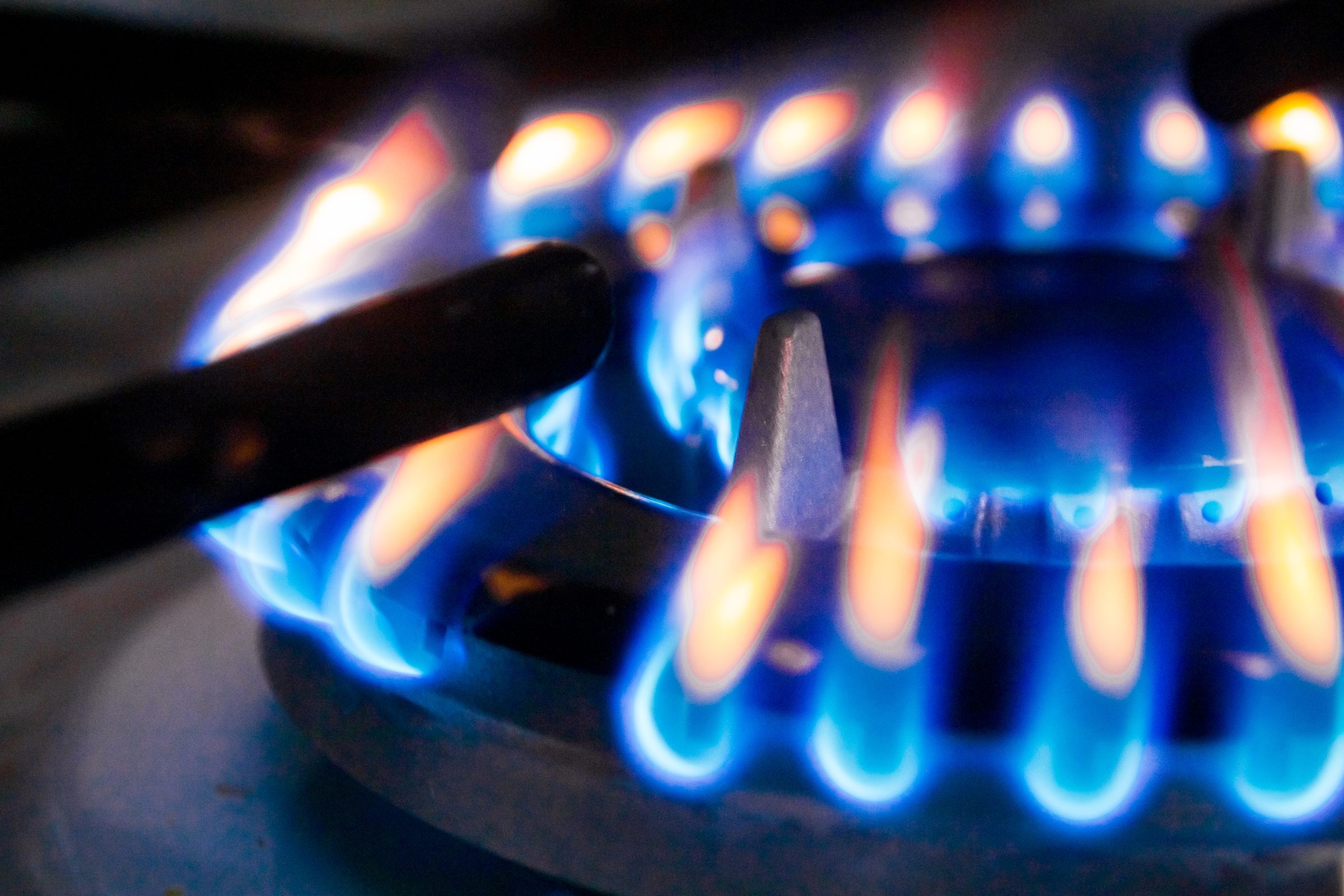
A burner that lights but keeps clicking is nearly always the cap sitting slightly out of position or moisture around the electrode, so the cooktop cannot confirm a flame and keeps sparking. Let everything cool, lift the cap, clean the ring of ports with a pin, dry everything thoroughly and seat the cap properly. If every burner clicks at once, dry the whole top and give it a day.
The full guide
Why a lit burner keeps sparking
The cooktop sparks until it is satisfied there is a flame where there should be one. If the flame is there but the appliance cannot confirm it — because the burner cap is a fraction out of place, or because there is moisture around the electrode — it keeps trying.
So the clicking is not a random annoyance. It is the cooktop saying it cannot see what you can see.
The three causes, in the order they turn up
1. The burner cap is not seated
A millimeter out is enough. The cap has to sit exactly where it belongs for the flame to carry evenly round the ring, and it is easy to leave slightly proud after cleaning.
Let everything cool. Lift the cap, look at the ring of ports underneath, put it back and feel it drop into place. It should not rock.
2. Moisture
Water in and around the ceramic of the electrode, after a spill, a boil-over or a wash. The ceramic holds it far longer than the surface suggests, which is why "it started after I cleaned it" is such a common story.
Dry everything — under the caps, around the electrodes, the whole top — and give it a full day before concluding anything.
3. Blocked ports
Dried sugar or starch from a boil-over sits in the ring of small holes under the cap. Clear them with a pin, never with anything that widens them: the port size sets the flame, and a widened port is permanent.
If every burner clicks at once
That is the ignition system as a whole rather than one burner, and moisture is the usual answer — after a spill that ran under the cooktop, or a wash where water found its way past the seal.
Dry it, wait, and try again. If every burner still clicks constantly on a dry, clean cooktop, the spark module is the part behind all of them, and that is a repair rather than a clean.
Things worth checking while you are there
- Does it light and burn cleanly? Light it with a match. A burner that burns properly by hand has gas and a clear port, which points the whole diagnosis at ignition — the cheaper half.
- What color is the flame? Blue and steady is right. Yellow or lifting off the ports is combustion rather than ignition, and that one is worth a call rather than a wait.
- Is it one burner or all of them? The single most useful sentence you can give us on the phone.
Any smell of gas is not on this page. Shut the gas off at the appliance valve, ventilate the room, and call. Nothing here applies until that is dealt with.
When to call
- Clicking continues on a clean, dry, correctly seated burner
- Every burner clicks constantly after a full day of drying
- The flame is yellow or lifts away from the ports
- A burner lights and then goes out on its own
Electrodes are inexpensive and crack from spilled liquid; the spark module is the part behind them. Both are ordinary repairs, and what they involve is here along with what the job starts at.
If it turns out to be a repair
What this leads to, and what it costs
Every job on this site is priced the same way: an on-site diagnostic first, the figure agreed in writing before anybody starts.
-
Usually cleaning, not parts Range burner will not light
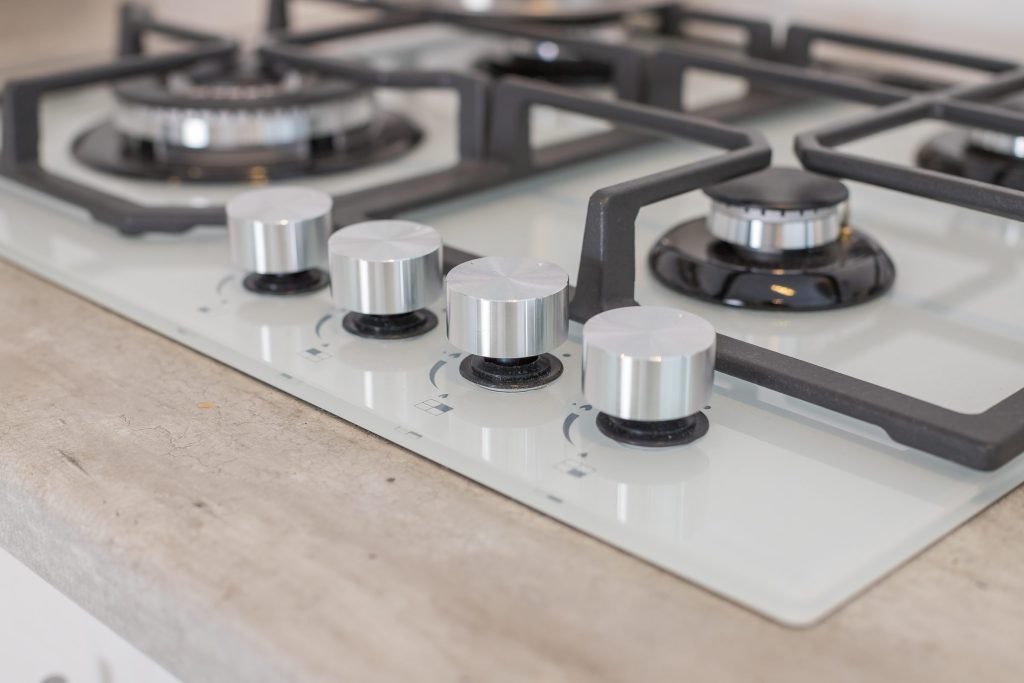
A burner that clicks and clicks without catching, or one that lights and goes straight out. On a professional gas top most of these are a cap out of place or ports blocked after a boil-over.
- One burner clicking with no flame
- Every burner clicking at once
- A flame that lights then dies
-
from $155 Gas burner and igniter repair
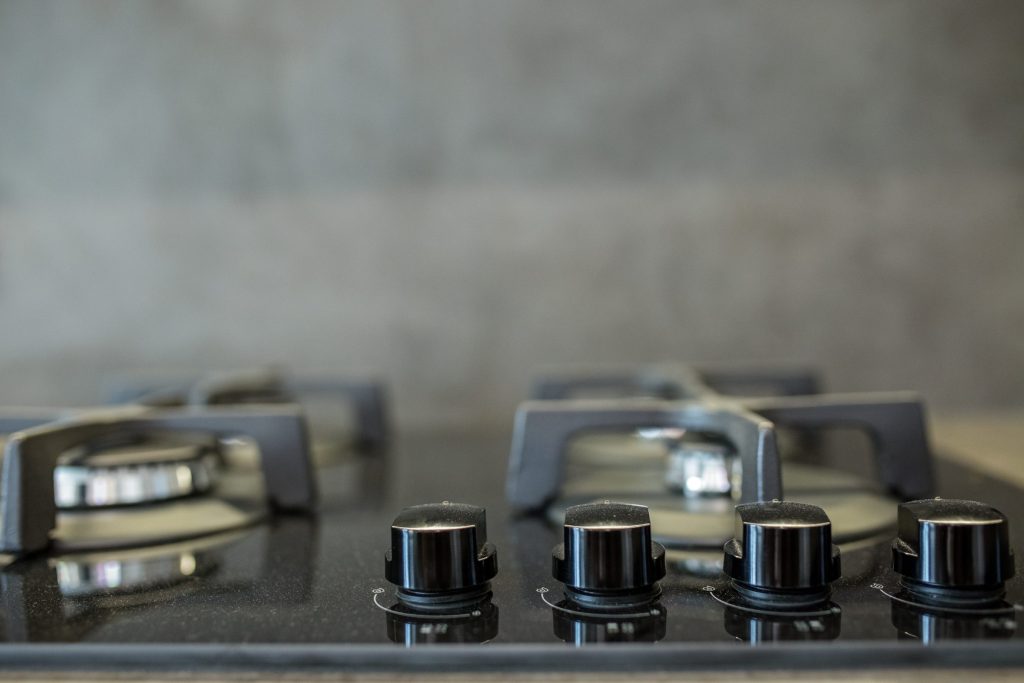
A burner that clicks and will not light, a flame that lifts off, or one Star Burner that has never been the same since a boil-over. Usually inexpensive parts and careful cleaning.
- Clicking, lifting and yellow flame each diagnosed separately
- Caps and ports cleaned and seated correctly
- Spark module and electrodes tested individually
-
Freedom Induction · Masterpiece · Star burner Cooktops & rangetops
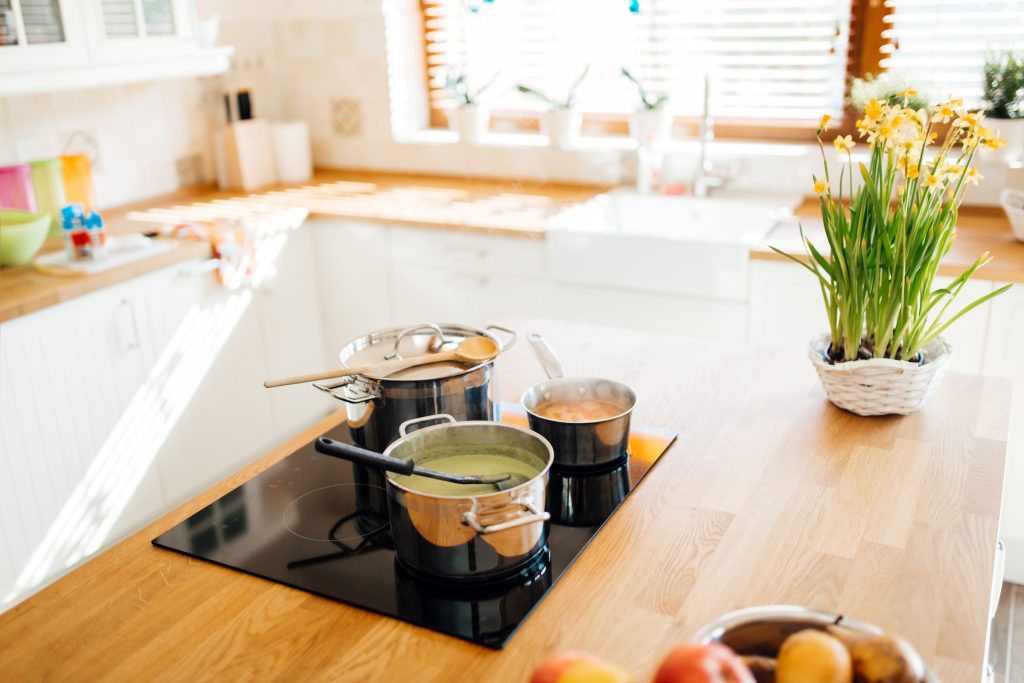
Freedom induction is this brand's own idea: one continuous glass surface that finds the pans rather than four printed rings to line them up with. It changes what goes wrong and what the complaint sounds like — most of what we are called out for on these is the surface protecting itself, and it is usually right to.
- A zone switching itself off mid-cook
- The surface not recognizing a pan
- Controls locked or answering a wet cloth
-
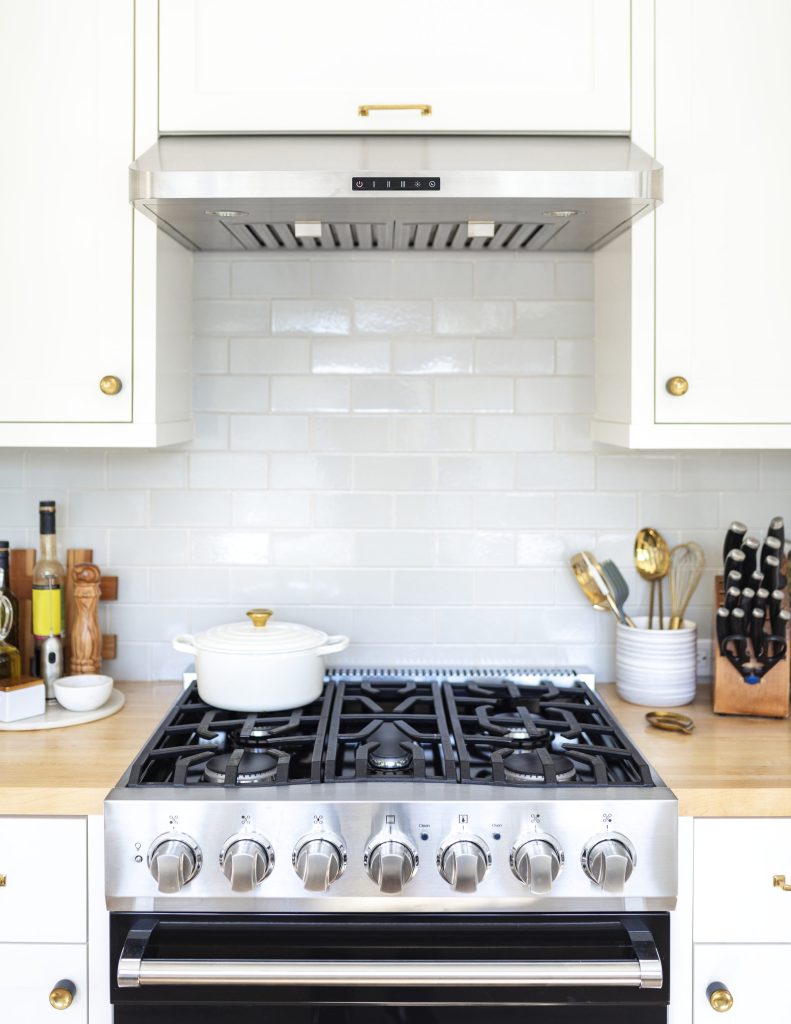
Professional · 30" 36" 48" 60" Professional ranges
The appliance the brand is built around. A Professional range is two machines sharing a cabinet — a cooktop with star burners or an induction surface on top, and an oven underneath — and the two fail in completely different ways. Knowing which half you are describing shortens the visit before anybody arrives.
- A burner that clicks and will not light
- The oven not reaching or holding temperature
- The griddle heating unevenly across the plate
Questions people ask about this
Is it dangerous to leave it clicking?
It is not a gas hazard by itself — the gas is lit. It is a nuisance and it wears the ignition system, and if you can smell gas at any point that is a different situation entirely: shut it off, ventilate and call.
Why does it stop when I press harder on the knob?
That usually means the flame is being sensed intermittently. Pressing changes the flame slightly, which is a clue toward the cap position and the electrode rather than toward the module.
Every burner clicks even the ones I am not using.
Classic moisture across the ignition system, usually after a spill or a wash. Dry everything, including under the caps, and give it a full day. If it persists after that, the spark module is the part.
Can I clean the ports with a needle?
A pin is fine and a needle is fine. What is not fine is a drill bit or anything that widens the port — the hole size sets the flame, and a widened port never behaves properly again.
It started after I cleaned the cooktop.
Then it is almost certainly water. The ceramic on the electrode holds moisture far longer than the surface looks like it should — dry it, and be patient before deciding anything is wrong.
Common Problems
More guides like this one
-
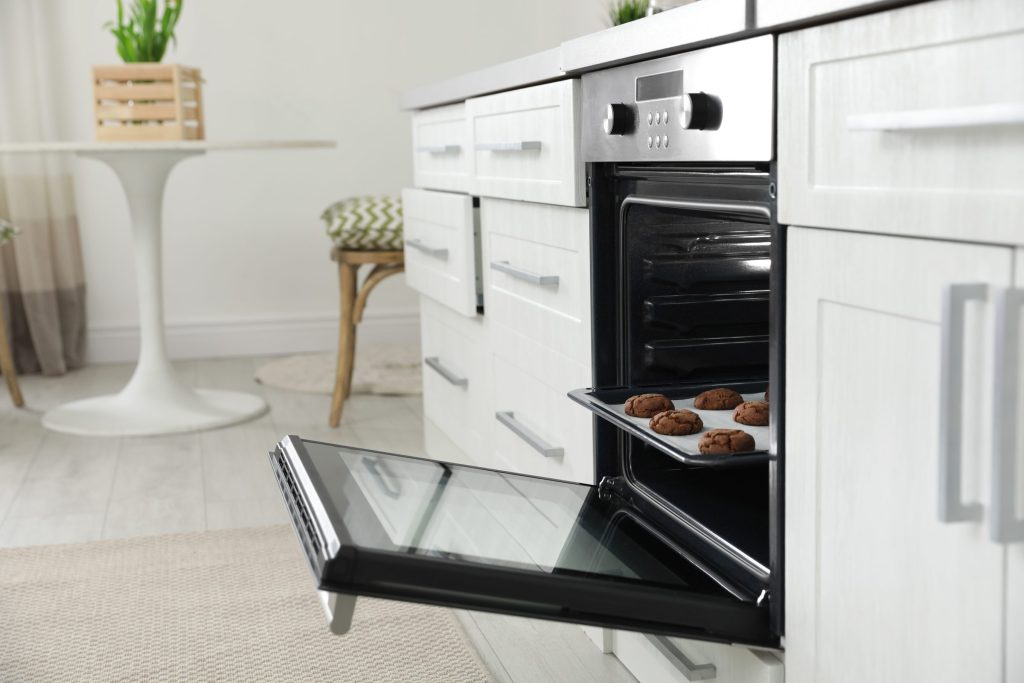
Why a Thermador Oven Takes So Long to Preheat — and When That Is Normal
A large professional cavity genuinely takes longer than the 30-inch oven it replaced, and the preheat signal does not mean what most people think it means. Then the two cases where slow preheating is a real symptom.
Read more -
Thermador Oven Beeping: What Each Pattern Is Telling You
Beeping is the one signal these ovens use for half a dozen unrelated things — a finished timer, a probe target reached, a door left open, or a code on a model with no display to show one. How to turn a noise into a next step.
Read more -
Why a Thermador Oven Is Loud, and Which Noises Matter
A fan that keeps running after the oven is off is designed behavior and the most common is-my-oven-broken call there is. The four noises these ovens make, which one has a published code of its own, and when to stop wondering.
Read more
Tell us the model number and what it is doing.
This article is based on:
- Official manufacturer documentation
- Internal repair procedures
- Technician repair history
- Company quality standards