Safety & Risks
How Long Food Stays Safe When the Power Goes Out
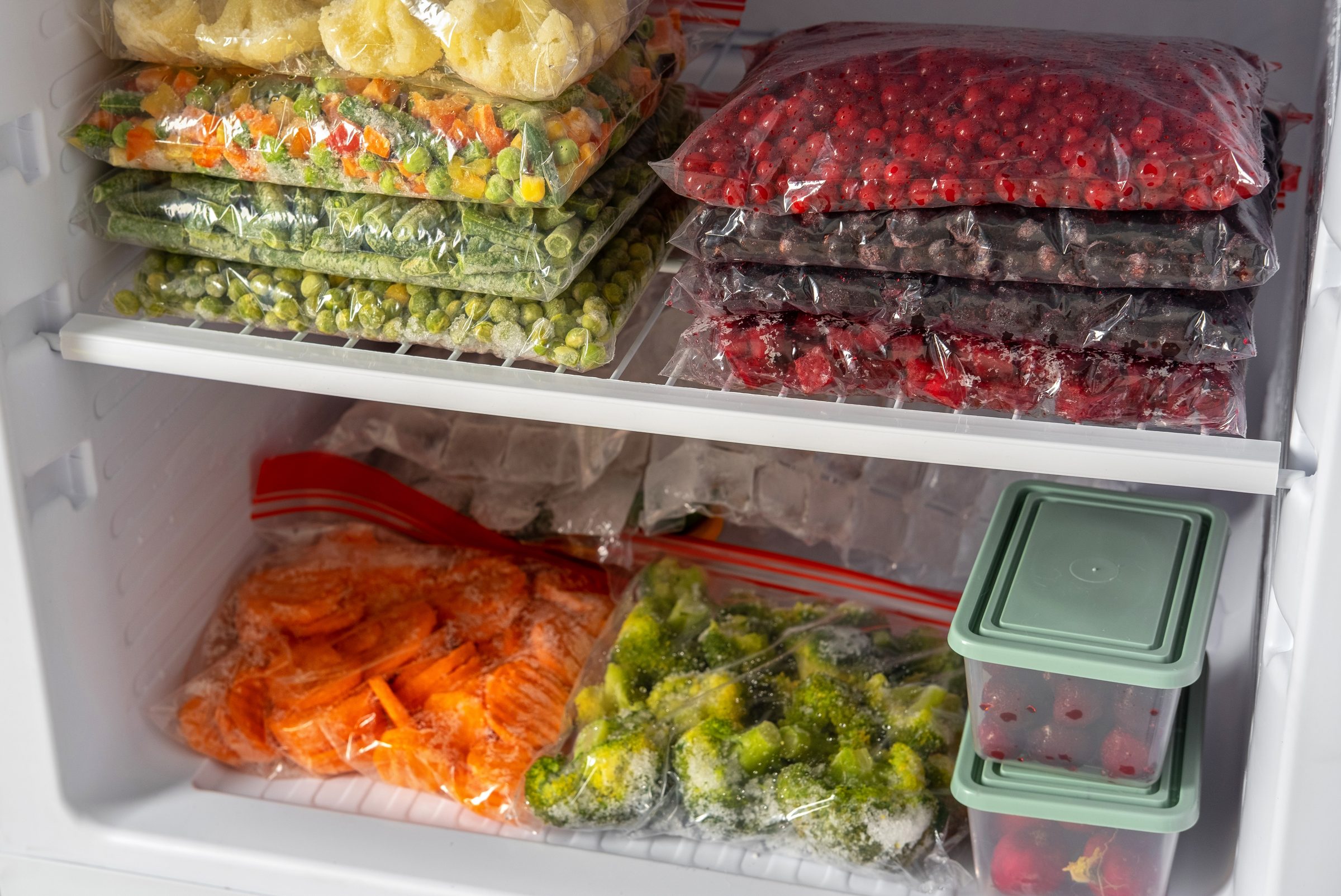
A closed refrigerator keeps food safe for about four hours. A full freezer holds for about 48 hours, and a half-full one for about 24. The single most important rule is not to open either door. Afterwards, judge by temperature rather than by look or smell: anything that spent more than two hours above 40°F should go, and anything still holding ice crystals can be refrozen.
The full guide
The numbers
- Refrigerator: about four hours with the door kept closed.
- Full freezer: about 48 hours. Half full, about 24.
- The threshold: 40°F. Food held above it for more than two cumulative hours should go.
Those are national food-safety figures and they assume the doors stay shut. Every opening costs a meaningful share of the time you have left, which is why the most useful thing anybody does during an outage is nothing at all.
Before the storm, if you have warning
- Turn both cabinets colder the day before. A column that starts at the bottom of its range buys hours.
- Fill the freezer's gaps with containers of water. Frozen mass is thermal storage and it is free.
- Freeze a cup of water, then set a coin on top of the ice. If you come home and the coin is at the bottom of the cup, the freezer thawed completely while you were away — regardless of what the display says now.
- Move what matters most to the freezer's center, and to the coldest part of the refrigerator.
During
Keep the doors closed. That is the whole strategy.
If the outage is going to run past the figures above, a cooler with ice for the few things you genuinely need is better than opening a column repeatedly. On a built-in, opening the door does more damage than on a freestanding unit, because there is no room-temperature air being replaced by anything cold.
Generators. If you run the column from one, it wants a stable supply. These cabinets publish a low-voltage state — the display simply goes dark and no button responds — and cycling in and out of that is harder on the compressor than being off. Undersized generators are a real cause of the calls we take the week after a storm.
When the power comes back
Read the alarm before you clear it. Press ALARM on a Thermador column and it shows the highest temperature the cabinet reached while you were away, for a few seconds, once. That single number answers the whole food question better than any inspection of the food will.
Then:
- Freezer: anything with ice crystals, or at or below 40°F, is fine to refreeze. Anything that thawed and sat warm goes.
- Refrigerator: the two-hour rule above 40°F. Meat, poultry, fish, eggs, dairy and leftovers are the ones to be strict about; hard cheese, butter, whole fruit and unopened condiments are far more forgiving.
- Do not taste anything to decide. Nothing about how food smells or looks is a reliable test.
What we get called about afterwards
A column that will not restart, one that alarms and clears repeatedly, and one that runs constantly without pulling back down. The first is often a supply issue rather than the appliance; the second usually resolves as the cabinet recovers; the third is worth a visit, particularly if the condenser has not been cleaned in years.
If the cabinet has not returned to temperature within a day of the power coming back, that is the point to call rather than the point to wait through another warm night. What a warm column usually turns out to be starts with the cheap causes, and so do we.
If it turns out to be a repair
What this leads to, and what it costs
Every job on this site is priced the same way: an on-site diagnostic first, the figure agreed in writing before anybody starts.
-
The alarm is the code Refrigeration alarm sounding
A column beeping with the alarm symbol lit, or a door signal that will not clear. Each alarm means something specific, and one of them is holding a number you will want before you silence it.
- Temperature flashing with an alarm symbol
- A continuous tone with the door signal
- An alarm that returns after being cleared
-
No code — read the alarm Refrigerator not cooling
A column that is warmer than it should be, running constantly, or alarming. This make publishes no refrigeration error codes at all, so what the cabinet signals is the diagnosis.
- Cabinet warmer than its setting
- Compressor running and never resting
- An alarm symbol on the display
-
Freedom columns · French door · Under-counter Built-in refrigerators & columns
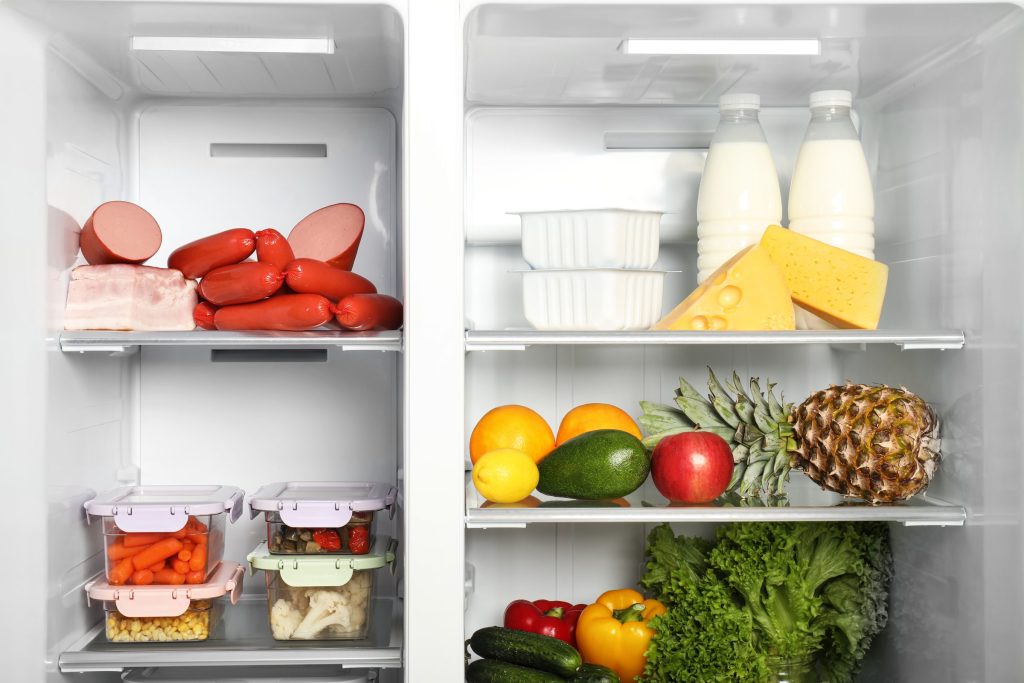
A Freedom column is one cabinet holding one temperature — all refrigerator, no freezer in it — usually installed beside a freezer column as a matched pair behind panels that look like joinery. That makes the diagnosis cleaner and the access harder.
- Not holding temperature
- Frost or condensation inside the cabinet
- A door that no longer seals against its panel
-
Freedom columns · 18" 24" 30" 36" Freezer columns
The other half of the pair, and the cabinet the ice maker lives in. A freezer column that is losing temperature announces itself long before the food is at risk — frost patterns change, the compressor runs longer, and the ice slows down first.
- Not holding temperature, with the refrigerator column fine
- Heavy frost building on one wall rather than evenly
- Ice production slowing down or stopping altogether
Questions people ask about this
Can I tell by smell whether something is still good?
No, and this is the part worth taking seriously. The organisms that cause food-borne illness do not necessarily change how food smells, looks or tastes. Temperature and time are the only reliable test.
Can I refreeze food that thawed?
If it still holds ice crystals or has stayed at or below 40°F, yes — quality suffers, safety does not. Anything that thawed completely and sat warm should be judged on the two-hour rule instead.
How do I know how warm it got while I was out?
On a Thermador column, press the ALARM button. It stops the signal and shows the highest temperature the cabinet reached — once, for a few seconds. Read it before you clear anything, because the cabinet does not show it again.
Is a full freezer really better?
Much. Frozen food is its own cold store, so a packed freezer holds roughly twice as long as a half-empty one. Filling gaps with containers of water before a storm is free and it works.
What about the ice maker and the water dispenser?
Neither works without power, and the ice already in the bin is a useful thermometer: if it has fused into a solid block, the freezer thawed and refroze while you were away.
Safety & Risks
More guides like this one
-
Refrigerator Burning Smell: What It Is and What to Do First
The smell that should move somebody today, separated from the ones that should not. Dust on a hot coil, a new appliance curing, a defrost heater doing its job — and the electrical one, with what to do in the first two minutes.
Read more -
Mold on a Refrigerator Door Seal: Cleaning It Without Wrecking the Gasket
A humid climate, a folded gasket, and two popular cleaning agents that will destroy the seal you are cleaning. How to do it properly, how to stop it returning, and when mold is really a seal that has stopped sealing.
Read more -
Can a Refrigerator Start a Fire?
A question asked in fear and usually answered badly. What can actually overheat in a refrigeration column, why an unplugged appliance is not a hazard, and the three signs that mean stop reading and cut the power.
Read more
Tell us the model number and what it is doing.
This article is based on:
- Official manufacturer documentation
- Internal repair procedures
- Technician repair history
- Company quality standards