Safety & Risks
Can a Refrigerator Start a Fire?
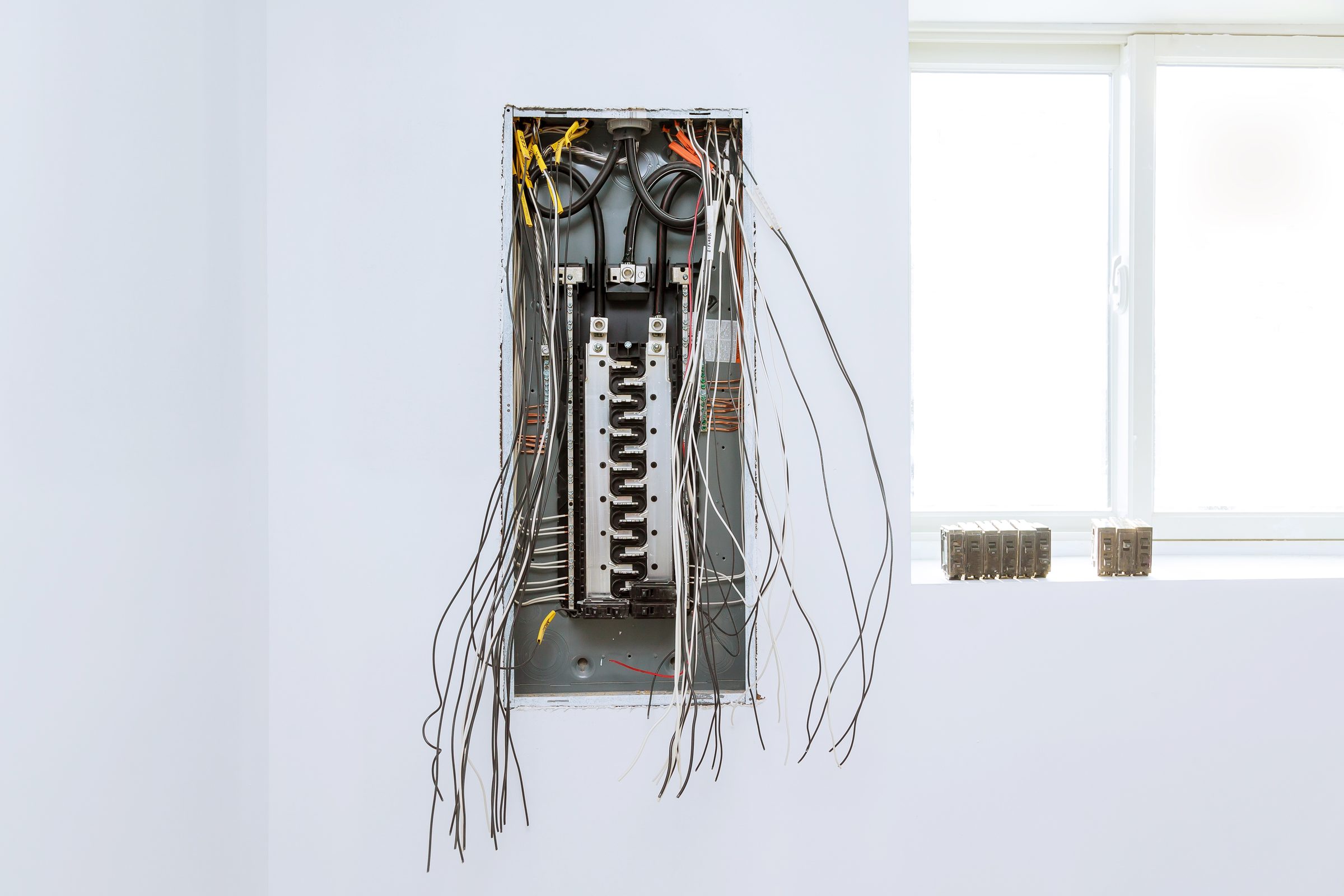
It is possible and it is rare. The realistic causes are electrical rather than the cooling itself: a failing start relay or capacitor, a damaged supply cord, a scorched control board, or years of dust and grease on the condenser giving the compressor no way to shed heat. A refrigerator that is unplugged cannot start a fire. Any smell of burning plastic or hot electrics is a reason to cut power at the breaker and call.
The full guide
The short answer
Yes, it is possible. It is also rare, and it is not mysterious — the causes are electrical, they are known, and most of them announce themselves for weeks before anything dramatic happens.
The cooling itself is not the danger. What can overheat is the equipment that switches, starts and supplies the compressor, and the answer is usually a part that costs less than a service call.
What actually overheats
The start relay and capacitor. These get the compressor turning and they fail hot. A relay clicking repeatedly, or a compressor that hums and stops, is the classic warning — and it is also, usefully, a much smaller repair than the compressor everybody assumes.
The supply cord and its connections. Behind a built-in column, a cord pinched during installation or a terminal that has worked loose over years produces heat exactly where nobody looks. Loose connections, not overloaded ones, are the common story.
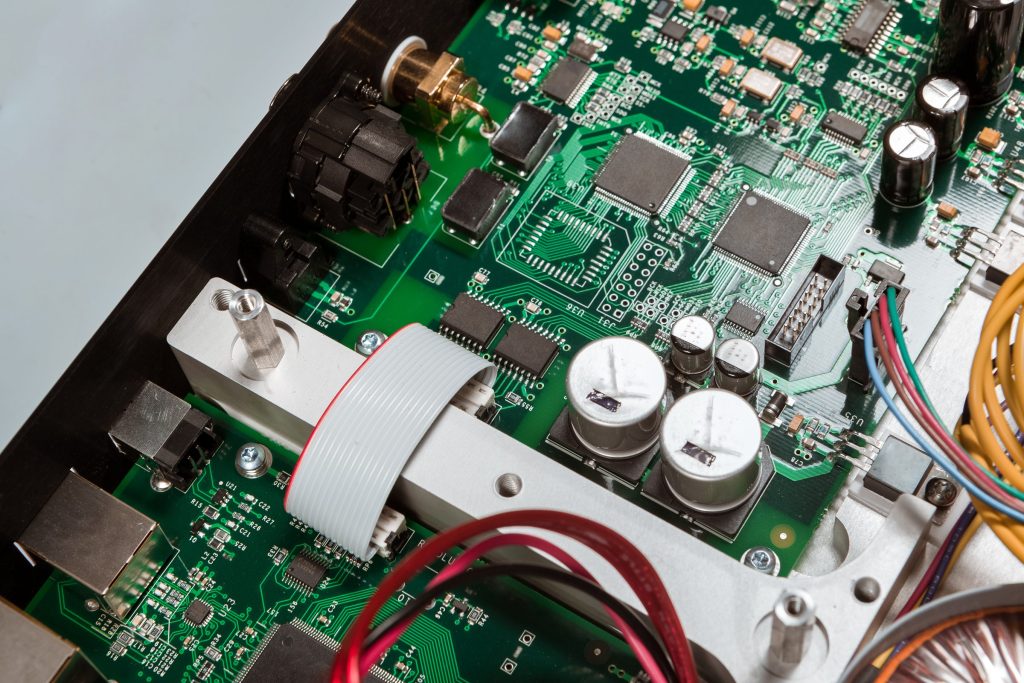
The control board. Boards fail in several ways, and scorching is one of them. A brown mark around one component is a board that has been running hot for a while.
A choked condenser. This one is indirect and it is the most preventable. Dust and grease coat the coil, heat has nowhere to go, and the compressor runs longer and hotter for years. It rarely ignites anything by itself; it shortens the life of everything around it.
The prevention that costs almost nothing: clean the condenser once a year, twice if there are pets in the house. It is the single most useful maintenance job on built-in refrigeration in this climate, and it is the one that gets skipped.
Three signs that mean stop and cut the power
- A smell of hot plastic or electrics. Not dust, not food, not the new-appliance smell — the sharp one that makes you look up. Cut the breaker and call.
- Scorch marks or discoloration on the plug, the outlet, or the cover at the back of the appliance.
- A breaker that trips repeatedly on that circuit. It is doing its job, and resetting it a third time is the wrong move.
Any of those and the sequence is: breaker off, appliance left alone, phone call. Not "let us see if it happens again".
Signs that are not emergencies
- A warm cabinet side. Built-in columns shed heat through their sides and the grille. Warm is normal; hot enough to be uncomfortable to touch for a few seconds is worth a look.
- A compressor that runs a long time. In August, in Florida, on a full cabinet, that is the job. A compressor that *never* stops is worth investigating — for efficiency and for the seal, not because it is about to catch fire.
- A dusty smell for a few minutes after a service visit. Dust burning off a clean coil.
- A new appliance smelling of curing insulation. Ventilate the room; it goes.
Why "unplugged" answers itself
A refrigerator with no power cannot start a fire. The stories that keep this question alive usually involve an appliance switched off at a wall switch — which leaves the outlet live — or a neighboring appliance entirely. If yours is genuinely unplugged, it is inert.
The realistic risk in a South Florida kitchen
Storm season, brownouts and 208-volt buildings put more electrical stress on this equipment than the average American kitchen does. What we see is not fires — it is relays, boards and terminals aging faster than the manual expects.
Two things reduce it more than anything else: a clean condenser, and having a burning smell looked at the week it appears rather than the month after. What a burning smell usually turns out to be is worth reading before you decide it is nothing.
If you want it checked
Tell us the model number, what you can smell, and whether the breaker has tripped. We will tell you on the phone whether it is a today problem, and if it is, what to do while you wait.
If it turns out to be a repair
What this leads to, and what it costs
Every job on this site is priced the same way: an on-site diagnostic first, the figure agreed in writing before anybody starts.
-

No code — read the alarm Refrigerator not cooling
A column that is warmer than it should be, running constantly, or alarming. This make publishes no refrigeration error codes at all, so what the cabinet signals is the diagnosis.
- Cabinet warmer than its setting
- Compressor running and never resting
- An alarm symbol on the display
-

from $280 Condenser and fan service
The single most useful thing anybody does to built-in refrigeration in this climate, and the one most often left undone until something expensive happens.
- Condenser cleaned properly, not blown around
- Fans tested for speed as well as movement
- Clearances checked against how it is built in
-
from $95 Diagnostic visit
We read the codes on site — including the ones a machine with no display blinks out — then test the circuit the code names before saying anything about the repair. The fee is credited toward the work when you go ahead.
- Codes and blink patterns read on site
- The circuit tested before a part is named
- Credited toward the repair
-

Freedom columns · French door · Under-counter Built-in refrigerators & columns
A Freedom column is one cabinet holding one temperature — all refrigerator, no freezer in it — usually installed beside a freezer column as a matched pair behind panels that look like joinery. That makes the diagnosis cleaner and the access harder.
- Not holding temperature
- Frost or condensation inside the cabinet
- A door that no longer seals against its panel

Questions people ask about this
Can a compressor start a fire?
The compressor itself is a sealed motor and is rarely the ignition point. What sits beside it can be: the start relay and capacitor that get it turning, and the wiring to both. Those are the components that fail hot, and they are inexpensive to replace.
Can an unplugged appliance start a fire?
No. With no power there is nothing to ignite anything. The question usually comes from stories about appliances that were switched off at a wall switch but still live at the outlet — which is not the same as unplugged.
Is a burning smell always serious?
No, but it is always worth identifying. Dust burning off a hot condenser and a new appliance curing its insulation both smell alarming and are harmless. Hot plastic or an electrical smell is different, and that one is a call today.
Does an old refrigerator become dangerous?
Age alone does not, but the things that fail hot are wear items — relays, capacitors, cords, terminals. A twenty-year-old column that has never been serviced has more of them at the end of their life, which is an argument for a service visit rather than for panic.
My breaker keeps tripping.
Stop resetting it. A breaker that trips repeatedly on the same circuit is doing its job, and the third reset is the one that matters. Leave it off and have the appliance and the circuit looked at.
Safety & Risks
More guides like this one
-

Refrigerator Burning Smell: What It Is and What to Do First
The smell that should move somebody today, separated from the ones that should not. Dust on a hot coil, a new appliance curing, a defrost heater doing its job — and the electrical one, with what to do in the first two minutes.
Read more -
Mold on a Refrigerator Door Seal: Cleaning It Without Wrecking the Gasket
A humid climate, a folded gasket, and two popular cleaning agents that will destroy the seal you are cleaning. How to do it properly, how to stop it returning, and when mold is really a seal that has stopped sealing.
Read more -

How Long Food Stays Safe When the Power Goes Out
Hurricane season, written for a built-in column rather than a refrigerator. The four-hour and forty-eight-hour figures, and the part specific to this brand: the cabinet recorded how warm it got, and it will show you once.
Read more
Tell us the model number and what it is doing.
This article is based on:
- Official manufacturer documentation
- Internal repair procedures
- Technician repair history
- Company quality standards