
Safety & Risks
Refrigerator Burning Smell: What It Is and What to Do First
Identify it by character. Dusty or slightly sweet as the compressor runs is usually dust on a hot condenser and it fades. A short-lived smell on a new appliance is insulation curing. Hot plastic or a sharp electrical smell is different: switch the circuit off at the breaker, leave the appliance alone, and have it looked at the same day.
The full guide
The first two minutes
If what you can smell is hot plastic or electrics:
- Switch the circuit off at the breaker. Not the appliance's own controls — the breaker.
- Leave it alone. Do not pull a built-in column out on your own; they are heavy, they are fitted to the joinery, and the connections you are worried about are exactly the ones behind it.
- Call. Say what you can smell and whether the breaker has tripped before.
Everything else on this page assumes the smell is not that one.
The smells that are not emergencies
Dust on a hot condenser. Warm, slightly sweet, like a radiator switched on for the first time in autumn, and strongest when the compressor is running. This is the commonest of all of them and the answer is a clean coil. In a South Florida kitchen with pets, a condenser can choke up in a year.
A new appliance curing. Insulation and coatings give off a smell for the first days of use. Ventilate the room; it goes and it does not come back.
The defrost heater. A brief warm smell on a cycle, sometimes with a faint sizzle as melt water hits it. Normal, and it passes in minutes.
Something on a warm surface. A bag against the light, or a spill that has run to the back. Empty the shelves and look before deciding anything is wrong with the appliance.
The ones that are the appliance
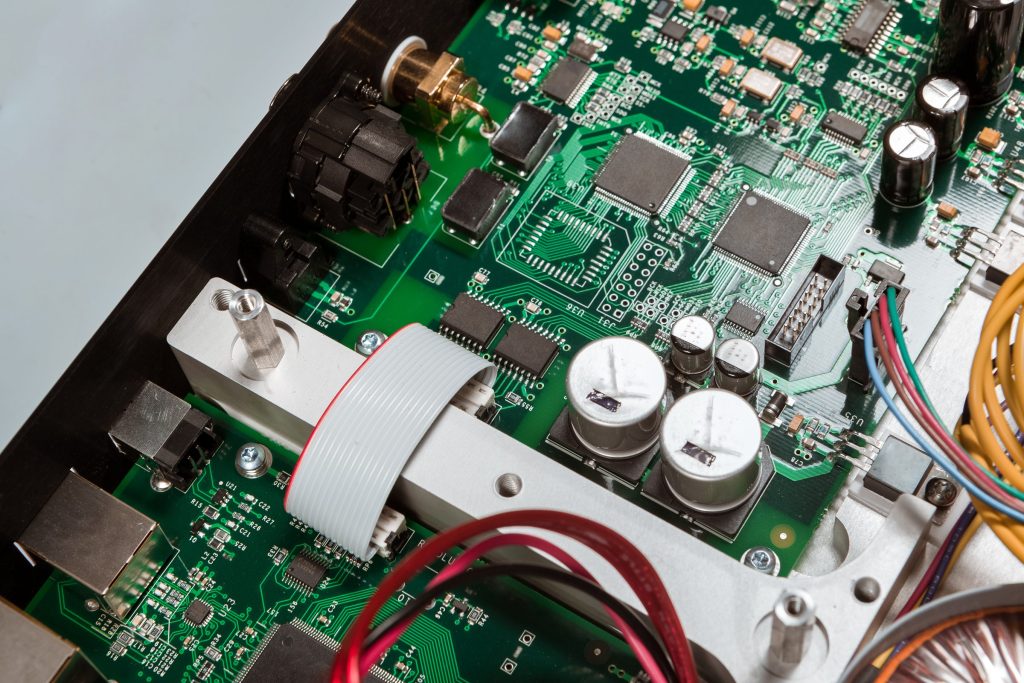
A start relay or capacitor failing hot. These get the compressor turning, they sit at the back near the compressor, and they are the components that most often produce a genuine electrical smell. They are also — usefully — an inexpensive repair compared with what people fear.
A connection at the outlet or the plug. Look for browning or discoloration. Loose terminals generate heat exactly where nobody looks, and on a built-in that is behind a cabinet.
The control board. A scorch mark around one component is a board that has been running hot for a while. Boards are the most over-diagnosed part in this trade, so if one is named, ask what was tested.
A fan motor with a seized bearing. It smells hot and it usually sounds wrong first.
What to tell us on the phone
- What it smells like, in your own words
- What the appliance is doing when it happens
- Whether the breaker has ever tripped
- Whether the cabinet is still holding temperature
- When the condenser was last cleaned, if ever
Those five lines decide whether this is a today visit or a this-week visit, and we would rather sort that out before anybody drives across three counties.
The prevention worth naming
A clean condenser. Once a year, twice with pets in the house. It is the cheapest maintenance on built-in refrigeration, it is the thing that gets skipped, and it removes the single most common cause of the smell on this page along with a real amount of stress on everything electrical behind the cabinet.
What a condenser service involves, and what it starts at.
If it turns out to be a repair
What this leads to, and what it costs
Every job on this site is priced the same way: an on-site diagnostic first, the figure agreed in writing before anybody starts.
-

No code — read the alarm Refrigerator not cooling
A column that is warmer than it should be, running constantly, or alarming. This make publishes no refrigeration error codes at all, so what the cabinet signals is the diagnosis.
- Cabinet warmer than its setting
- Compressor running and never resting
- An alarm symbol on the display
-

from $280 Condenser and fan service
The single most useful thing anybody does to built-in refrigeration in this climate, and the one most often left undone until something expensive happens.
- Condenser cleaned properly, not blown around
- Fans tested for speed as well as movement
- Clearances checked against how it is built in
-
from $95 Diagnostic visit
We read the codes on site — including the ones a machine with no display blinks out — then test the circuit the code names before saying anything about the repair. The fee is credited toward the work when you go ahead.
- Codes and blink patterns read on site
- The circuit tested before a part is named
- Credited toward the repair
-

Freedom columns · French door · Under-counter Built-in refrigerators & columns
A Freedom column is one cabinet holding one temperature — all refrigerator, no freezer in it — usually installed beside a freezer column as a matched pair behind panels that look like joinery. That makes the diagnosis cleaner and the access harder.
- Not holding temperature
- Frost or condensation inside the cabinet
- A door that no longer seals against its panel

Questions people ask about this
How do I tell a dusty smell from an electrical one?
Dust smells like a radiator switched on for the first time in autumn — warm, slightly sweet, and it fades over minutes. An electrical smell is sharp and it makes you look up. If you are unsure, treat it as the second one.
The smell only appears sometimes.
That usually means it appears when something runs — the compressor, a fan, or the defrost heater. Note what the appliance is doing when it happens; that observation narrows it faster than anything else.
There is a smell but the refrigerator is working perfectly.
Working and safe are different questions. An overheating relay or a scorching connection does not stop the cabinet cooling until quite late, so a smell on a perfectly cold column is still worth a visit.
Could it be the food?
It can, and it is worth ruling out — something dripped onto a warm surface at the back, or a plastic bag against the light. Empty the shelves and check before assuming the appliance.
Is it safe to keep using it until you arrive?
If it is an electrical smell, no: leave the breaker off and move what you must to a cooler. If it is dusty or food-related, yes. We will say which we think it is on the phone.
Safety & Risks
More guides like this one
-
Mold on a Refrigerator Door Seal: Cleaning It Without Wrecking the Gasket
A humid climate, a folded gasket, and two popular cleaning agents that will destroy the seal you are cleaning. How to do it properly, how to stop it returning, and when mold is really a seal that has stopped sealing.
Read more -

How Long Food Stays Safe When the Power Goes Out
Hurricane season, written for a built-in column rather than a refrigerator. The four-hour and forty-eight-hour figures, and the part specific to this brand: the cabinet recorded how warm it got, and it will show you once.
Read more -
Can a Refrigerator Start a Fire?
A question asked in fear and usually answered badly. What can actually overheat in a refrigeration column, why an unplugged appliance is not a hazard, and the three signs that mean stop reading and cut the power.
Read more
Tell us the model number and what it is doing.
This article is based on:
- Official manufacturer documentation
- Internal repair procedures
- Technician repair history
- Company quality standards