Common Problems
How Long a Thermador Range Lasts, and What Decides It
Fifteen to twenty years is a reasonable expectation for a professional range that is used and maintained, and longer is common for the chassis itself — burners, grates and the frame outlive the electronics around them. What fails first is ignition components, sensors, boards and latches, and all of those are contained repairs rather than reasons to replace an appliance.
The full guide
A realistic number
Fifteen to twenty years for a professional range in regular use, and frequently longer for the chassis. Burners, grates and the frame itself routinely outlive two sets of electronics.
That is not marketing. It is what walks into our week: ranges from the mid-2000s still cooking every day, needing an electrode here and a sensor there.
What fails, and roughly when
Years 1–5. Almost nothing. Setup issues, an occasional electrode, and a latch that has never been used sticking the first time somebody runs a clean cycle.
Years 5–12. The consumables and the sensors. Electrodes cracked by spilled liquid, oven temperature sensors, door seals, hinges that have taken years of a heavy door, and self-clean latches that seize from disuse rather than from use.
Years 12–20. Boards, cooling fans, and the same consumables again. This is where the appliance starts telling you about itself — and on the older Professional wall ovens, telling you by blinking three lights rather than showing a code.
Beyond twenty. Parts availability becomes the question rather than condition. Much of it is shared across a platform and stays available a long time; some model-specific pieces do not.
Find out how old yours actually is
The serial plate carries the model and serial number, and it is worth photographing once and keeping. Look:
- Behind the kick panel at the bottom of a range
- On the frame inside the oven door opening
- Under the cooktop on some configurations
Every parts conversation begins with that number, and having it ready is the difference between us arriving with the part and arriving to look at it.
What actually shortens the life
- Boil-overs left in the burner ports. Clean ports are the single best habit on a gas top, and the one that prevents most ignition calls.
- Self-clean as a routine. The cycle finds every weakness in the latch, the cutouts and the cooling path. Cleaning without it is kinder and takes less time than people think.
- Ventilation that was never right. A range built into a tight opening runs its electronics hotter for its whole life.
- Coastal air. Near the water, salt reaches electrodes, caps and hardware years ahead of any schedule written for a dry climate.
When a repair stops making sense
Not at an age. At a pattern:
- A second major repair within a year or two on a range already past its first decade
- A part that no longer exists for that model
- Damage to the chassis — a bent frame, a corroded burner box
- An installation that will cause the same failure again
Against that, remember what replacing actually involves on this equipment: an opening built to those dimensions, ventilation sized for it, and a run of cabinetry either side. That is why a four-figure repair on a sound twenty-year-old range is frequently the sensible answer, and why we say so.
The honest summary
These ranges are built to be repaired, and most of what fails on them is a contained job. Keep the ports clean, treat self-clean as an occasional event rather than a habit, and photograph the serial plate today so the next conversation starts one step further along.
If it turns out to be a repair
What this leads to, and what it costs
Every job on this site is priced the same way: an on-site diagnostic first, the figure agreed in writing before anybody starts.
-
from $210 Professional range repair
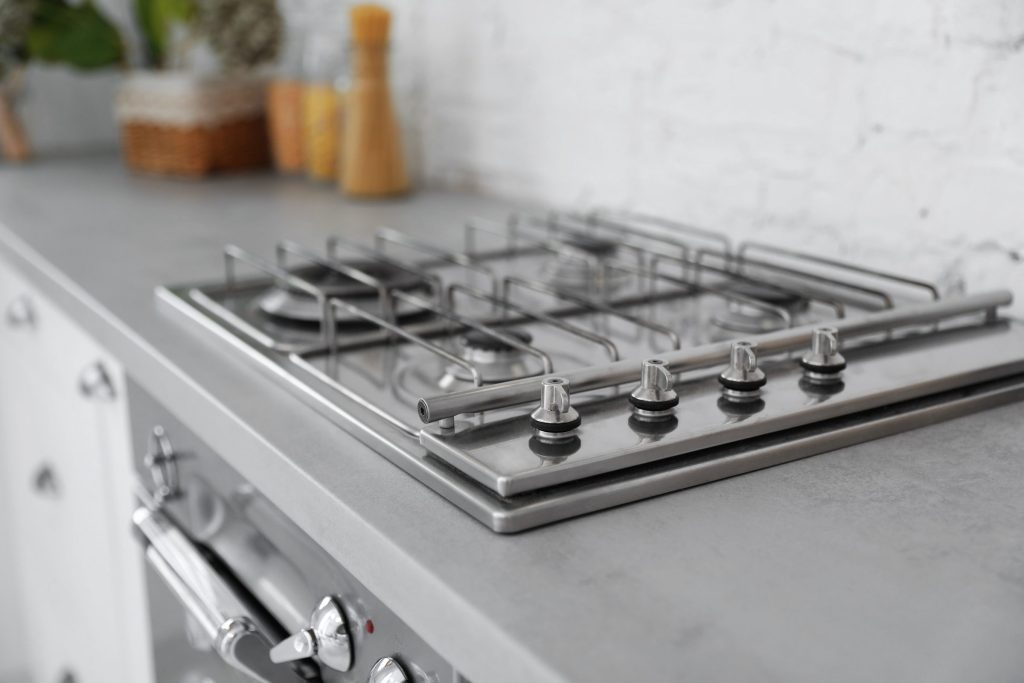
A Pro Grand or Pro Harmony is a gas cooktop and an electric oven on one chassis, plus a griddle or a grill. That is two appliances' worth of failures behind one badge, and a diagnosis that has to say which half.
- Cooktop half and oven half diagnosed separately
- Griddle and grill treated as their own circuits
- The chassis worked around in place, not dragged out
-
Usually cleaning, not parts Range burner will not light
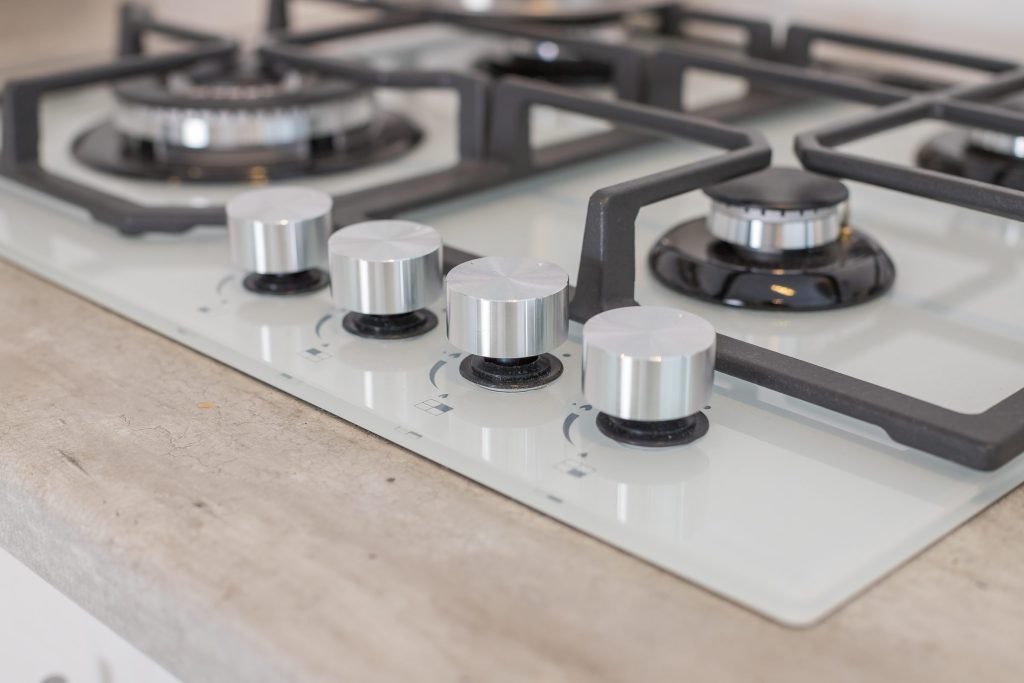
A burner that clicks and clicks without catching, or one that lights and goes straight out. On a professional gas top most of these are a cap out of place or ports blocked after a boil-over.
- One burner clicking with no flame
- Every burner clicking at once
- A flame that lights then dies
-
Professional · 30" 36" 48" 60" Professional ranges
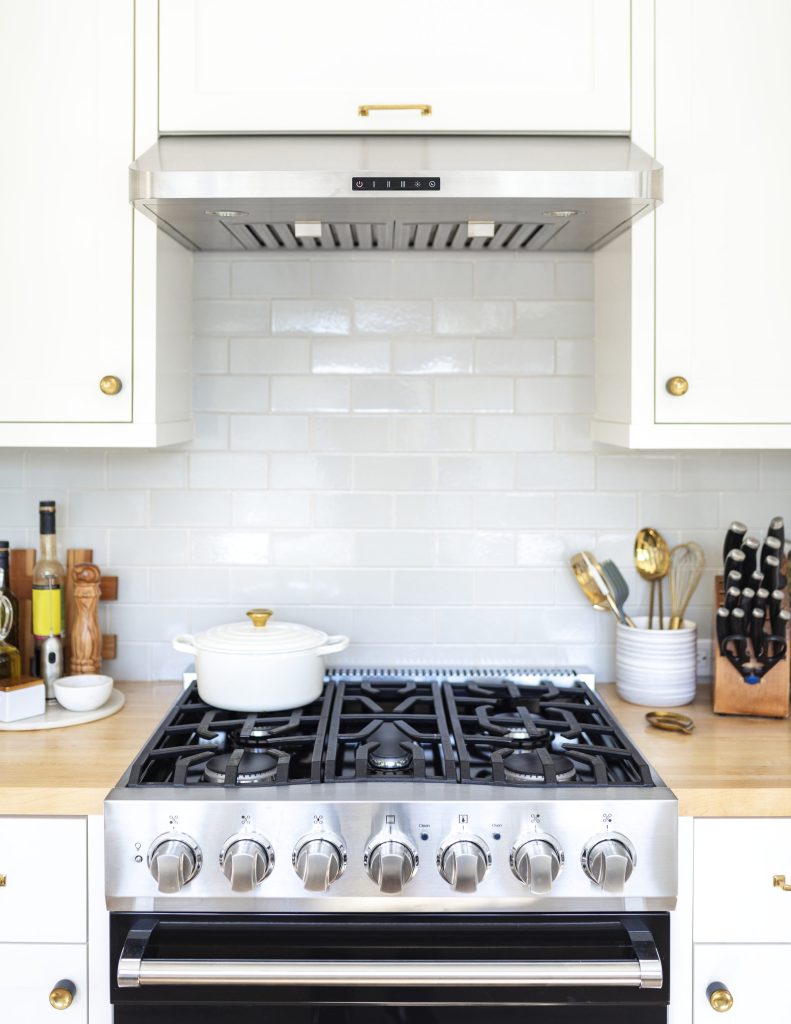
The appliance the brand is built around. A Professional range is two machines sharing a cabinet — a cooktop with star burners or an induction surface on top, and an oven underneath — and the two fail in completely different ways. Knowing which half you are describing shortens the visit before anybody arrives.
- A burner that clicks and will not light
- The oven not reaching or holding temperature
- The griddle heating unevenly across the plate
Questions people ask about this
Where is the model and serial plate on a range?
Usually behind the kick panel at the bottom, on the frame inside the oven door opening, or under the cooktop on some models. Photograph it once and keep the photograph — every conversation about parts starts there.
Does heavy cooking shorten its life?
It shortens the life of consumables — electrodes, grates, seals — rather than the appliance. A range that is used daily and cleaned sensibly generally does better than one that sits unused and is self-cleaned aggressively twice a year.
Are the older ones better built?
They are simpler, which is not the same thing. Older Professional ranges have less electronics to fail and blink their codes out on three lights instead of showing them; newer ones are more efficient and better sealed. Both last a long time.
Is it worth repairing a twenty-year-old range?
Usually, if it is one repair. These are built into a run of cabinetry with ventilation sized for them, so replacing is rarely just an appliance. Two major repairs in quick succession is a different conversation.
What is the single best thing for longevity?
Keeping the burner ports and caps clean, and not treating self-clean as a routine. Those two habits avoid most of what we get called out for on ranges under fifteen years old.
Common Problems
More guides like this one
-
Why a Thermador Oven Takes So Long to Preheat — and When That Is Normal
A large professional cavity genuinely takes longer than the 30-inch oven it replaced, and the preheat signal does not mean what most people think it means. Then the two cases where slow preheating is a real symptom.
Read more -

Thermador Oven Beeping: What Each Pattern Is Telling You
Beeping is the one signal these ovens use for half a dozen unrelated things — a finished timer, a probe target reached, a door left open, or a code on a model with no display to show one. How to turn a noise into a next step.
Read more -
Why a Thermador Oven Is Loud, and Which Noises Matter
A fan that keeps running after the oven is off is designed behavior and the most common is-my-oven-broken call there is. The four noises these ovens make, which one has a published code of its own, and when to stop wondering.
Read more
Tell us the model number and what it is doing.
This article is based on:
- Official manufacturer documentation
- Internal repair procedures
- Technician repair history
- Company quality standards