Troubleshooting
Checking Your Refrigerator Temperature Properly
Put a glass of water in the middle of the refrigerator and a thermometer between two frozen packages in the freezer, leave both overnight without opening the door, and read them in the morning. The refrigerator should be 37–40°F and the freezer 0°F or below. Measuring water rather than air matters: air temperature swings every time the compressor cycles, and water averages it out.
The full guide
Why this is worth doing carefully on this brand
Most makes give you an error code when refrigeration drifts. This one does not — Thermador publishes no refrigeration error codes at all, and the pages where they would live simply do not exist. What a Freedom column offers instead is an alarm, a symbol, and a self-test.
That puts more weight on measurement than it would carry on another make. Two numbers taken overnight are the most useful thing you can hand a technician before anybody opens a panel, and they are also what tells you whether there is anything to hand over at all.
The method
Refrigerator. Fill a glass with water, stand it on the middle shelf toward the front, and leave it overnight with the door closed. Read it first thing, before the door has been opened.
Freezer. Slide the thermometer between two frozen packages rather than leaving it in the air. Same overnight wait, same rule about not opening the door.
Read both in the morning. The refrigerator should be between 37 and 40°F. The freezer should be 0°F or below.
Measure water, not air. Air inside a cabinet swings by several degrees every time the compressor starts and stops, so an air reading tells you where in that cycle you happened to look. Water averages it out — which is precisely why food-safety guidance is written around it.
What the numbers mean
- Both on target. The cooling system is doing its job. If something still feels wrong, the question is airflow or the door rather than the compressor.
- Refrigerator warm, freezer fine. On separate columns those are two appliances and it tells you little. Inside one cabinet it points at airflow or a damper — the cheaper end.
- Both warm, and the compressor is running constantly. Now the list is the door seal, the condenser, and then the sealed system, checked in that order and for good reason.
- Colder than the target. A cabinet that freezes lettuce is a different diagnosis from a warm one, and it has its own answer — here.
Check the thermometer itself, once
Fill a glass with crushed ice, top it with water, stir, and give it three minutes. It should read 32°F. If it does not, you now know the offset and can subtract it — which is better than arguing with a technician about whose instrument is wrong.
The column's own diagnostics
Two things a Freedom column will tell you that a thermometer cannot:
The highest temperature it reached. Press the ALARM button on a cabinet that has alarmed. The signal stops and the peak temperature shows for a few seconds — once. Read it before you clear anything; it is the only measurement the appliance offers about what happened while you were out.
Its self-test. Switch the column off, wait five minutes, switch it on with the door closed, then hold SETUP and ALARM OFF together for five seconds. It works through its diagnostics and finishes either by showing the set temperature — nothing found — or with the alarm symbol and a message. It is documented, it is yours to run, and either outcome is worth having before a visit.
What to write down before you call
- Both numbers, and when you took them
- Whether the compressor sounds like it ever stops
- The highest temperature from the alarm, if there was one
- Whether the door seal grips a sheet of paper all the way round
- How long it has been happening
Those five lines shorten a diagnostic visit and occasionally end it on the phone. Either way you have paid for nothing to find out.
If it turns out to be a repair
What this leads to, and what it costs
Every job on this site is priced the same way: an on-site diagnostic first, the figure agreed in writing before anybody starts.
-
No code — read the alarm Refrigerator not cooling
A column that is warmer than it should be, running constantly, or alarming. This make publishes no refrigeration error codes at all, so what the cabinet signals is the diagnosis.
- Cabinet warmer than its setting
- Compressor running and never resting
- An alarm symbol on the display
-
Check the door first Freezer column not freezing
A freezer column that is soft rather than solid, alarming, or running without ever resting. Separate columns fail independently, which is useful information.
- Ice cream soft, packages pliable
- Compressor running continuously
- Temperature alarm on the display
-
Freedom columns · French door · Under-counter Built-in refrigerators & columns
A Freedom column is one cabinet holding one temperature — all refrigerator, no freezer in it — usually installed beside a freezer column as a matched pair behind panels that look like joinery. That makes the diagnosis cleaner and the access harder.
- Not holding temperature
- Frost or condensation inside the cabinet
- A door that no longer seals against its panel
-
from $95 Diagnostic visit
We read the codes on site — including the ones a machine with no display blinks out — then test the circuit the code names before saying anything about the repair. The fee is credited toward the work when you go ahead.
- Codes and blink patterns read on site
- The circuit tested before a part is named
- Credited toward the repair
Questions people ask about this
Why not just read the display?
Because the display is the set point — the temperature you asked for. It tells you what the cabinet is trying to do, not what it is achieving, and the whole question when something feels warm is the difference between those two.
Why water rather than air?
Air temperature moves several degrees every time the compressor cycles, so an air reading tells you where in the cycle you happened to look. Water has enough thermal mass to average it, which is why it is what food-safety guidance uses.
My two shelves read differently.
A degree or two is normal — cold air arrives at one place and warms as it circulates. Five or more between shelves is airflow: packed food against the vents at the back, or a fan that has slowed.
Do I need an expensive thermometer?
No. A plain dial or digital fridge thermometer is fine, and you can check it yourself in ice water — it should read 32°F. Do that once and you know whether to trust it.
The temperature is fine but the alarm went off.
Then it was warmer earlier. Press ALARM before clearing it and the column shows the highest temperature it reached, once. That number is the whole answer to whether the food was ever at risk.
Troubleshooting
More guides like this one
-
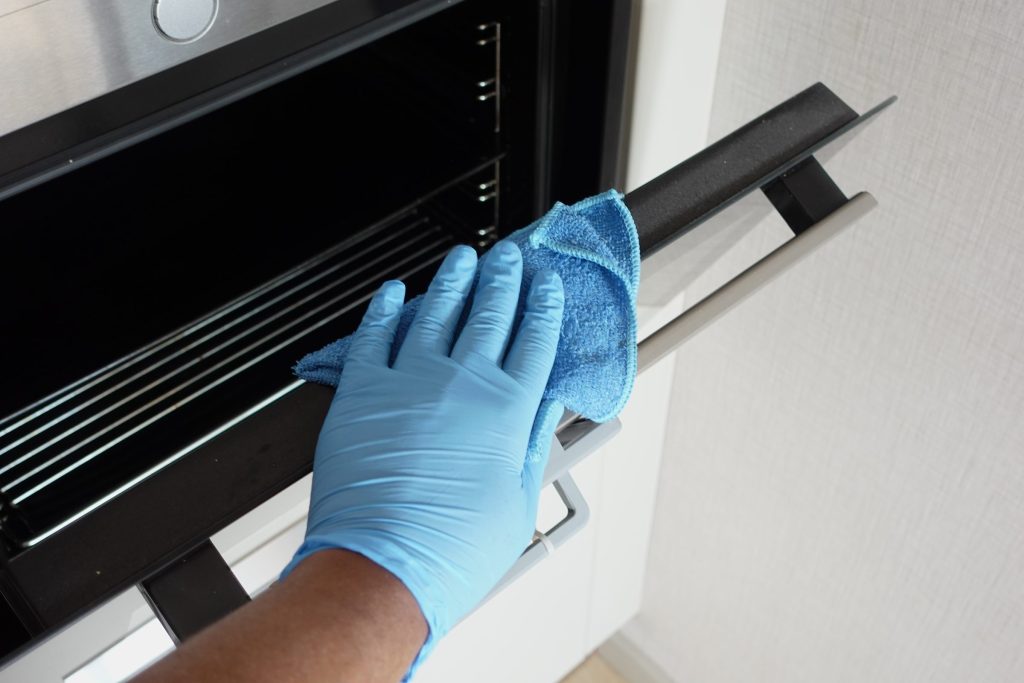
Resetting a Thermador Oven After a Power Outage
Storm season leaves ovens with a flashing clock, a mode nobody set, or a code that arrived with the surge. What a reset clears, in the order to try them, and which codes survive one and therefore mean something.
Read more -
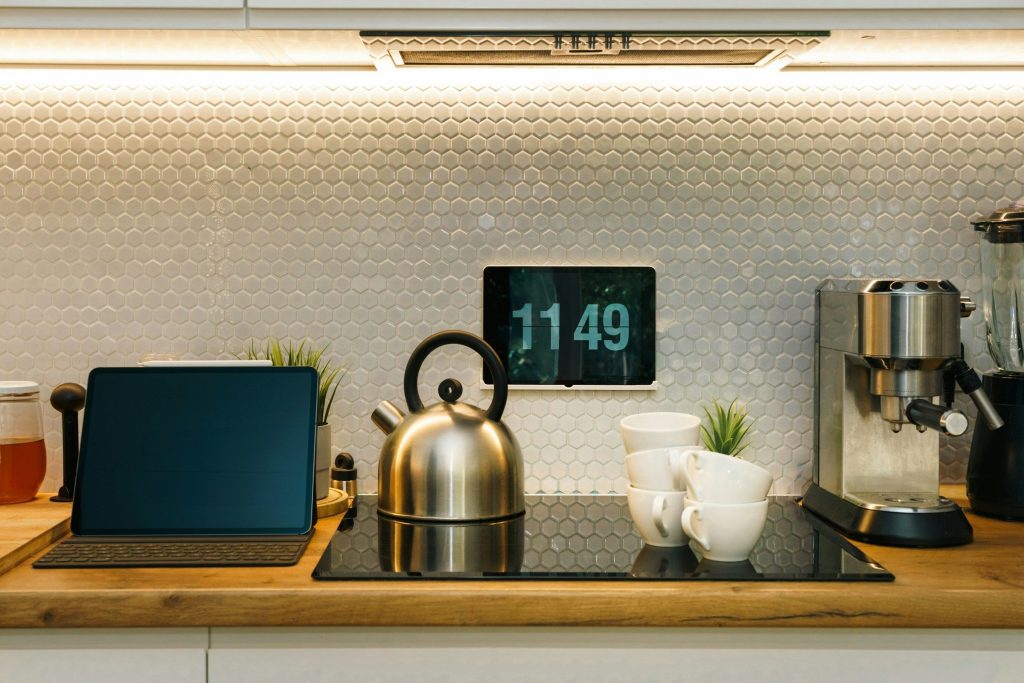
Resetting a Thermador Induction Cooktop, and Reading Its F Codes
Induction cooktops lock out far more often than they fail, and which reset helps depends on which lockout you have. Child lock, wet panel, thermal protection and power limit — with the F codes that name each one.
Read more -
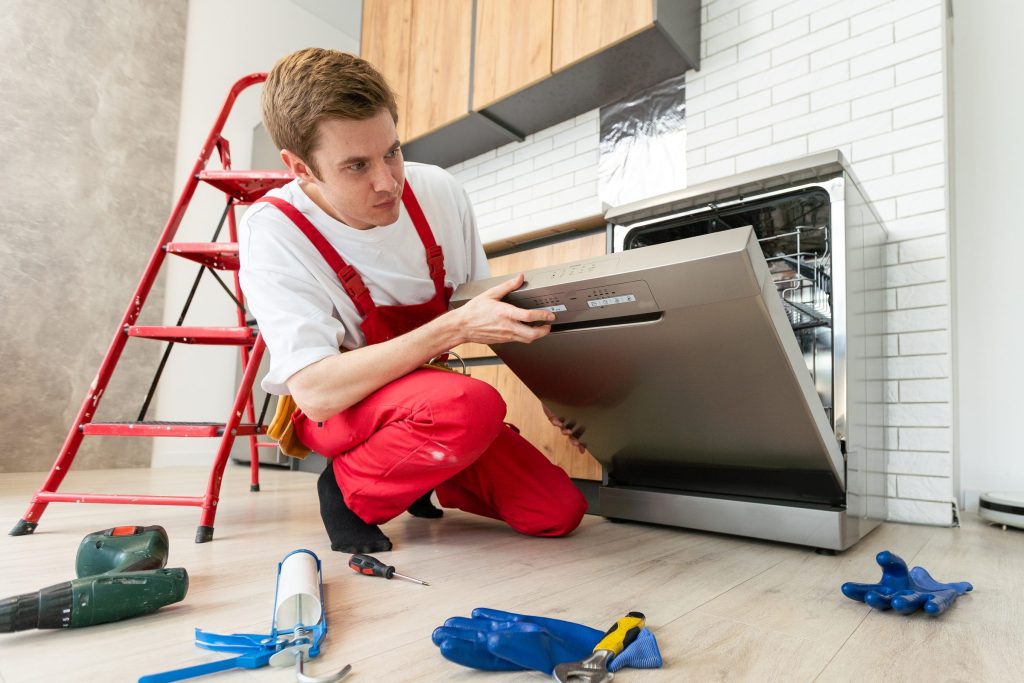
How to Reset a Thermador Dishwasher (and When a Reset Is the Wrong Move)
The reset most people are looking for is a cycle cancel. The one that helps is five minutes at the breaker. Both are here — along with the case where resetting is exactly the wrong move, because the machine has locked itself out over water.
Read more
Tell us the model number and what it is doing.
This article is based on:
- Official manufacturer documentation
- Internal repair procedures
- Technician repair history
- Company quality standards