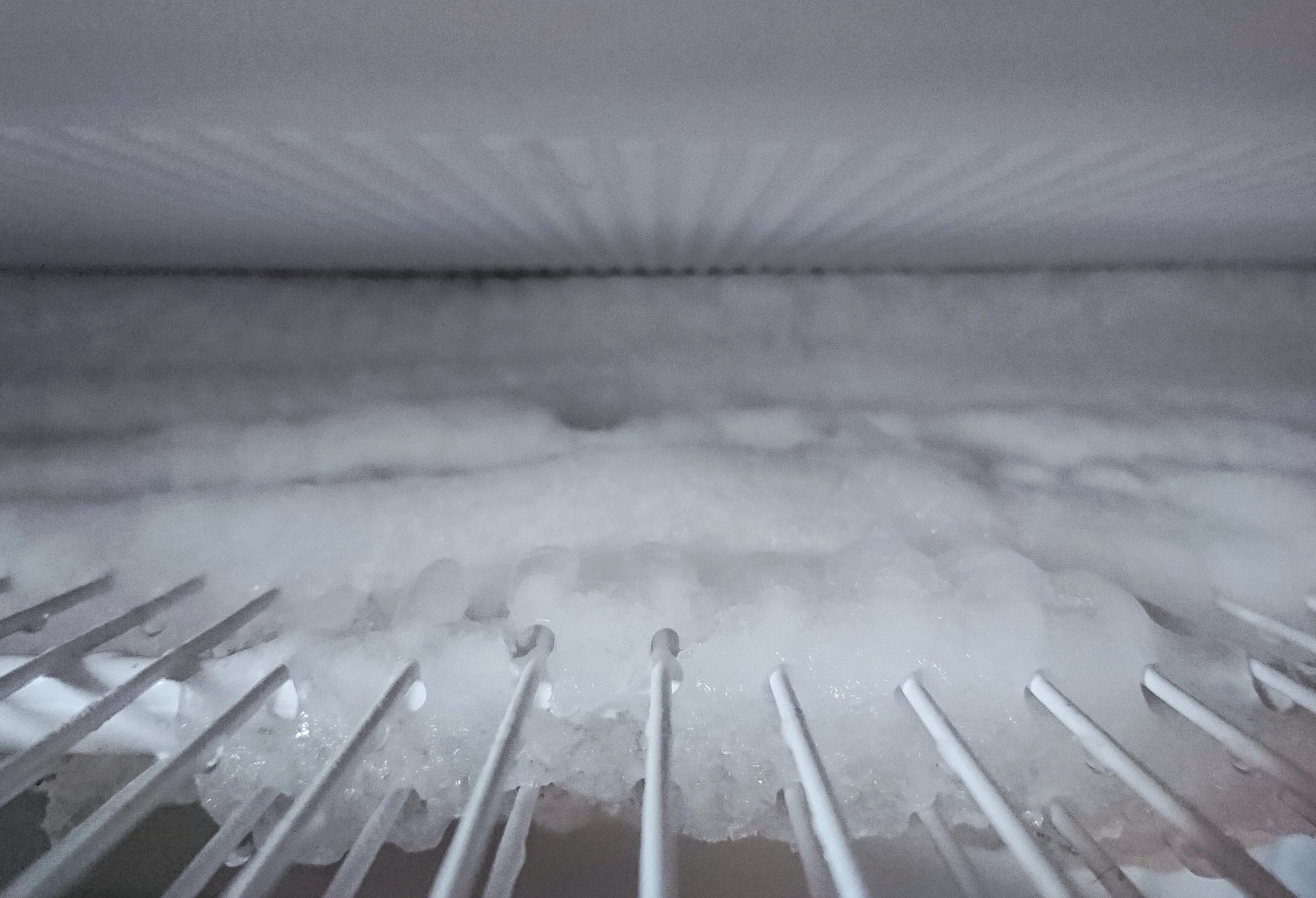
Common Problems
Your Refrigerator Column Is Freezing Food. Here Is Why.
Most often it is placement and airflow: cold air enters at the back of the compartment, and anything sitting directly in front of that vent freezes while the rest of the cabinet is fine. Move the food, check the setting, and measure with a glass of water overnight. If the whole compartment is genuinely below 37°F, the damper or a sensor is the next question.
The full guide
Start with where the food is sitting
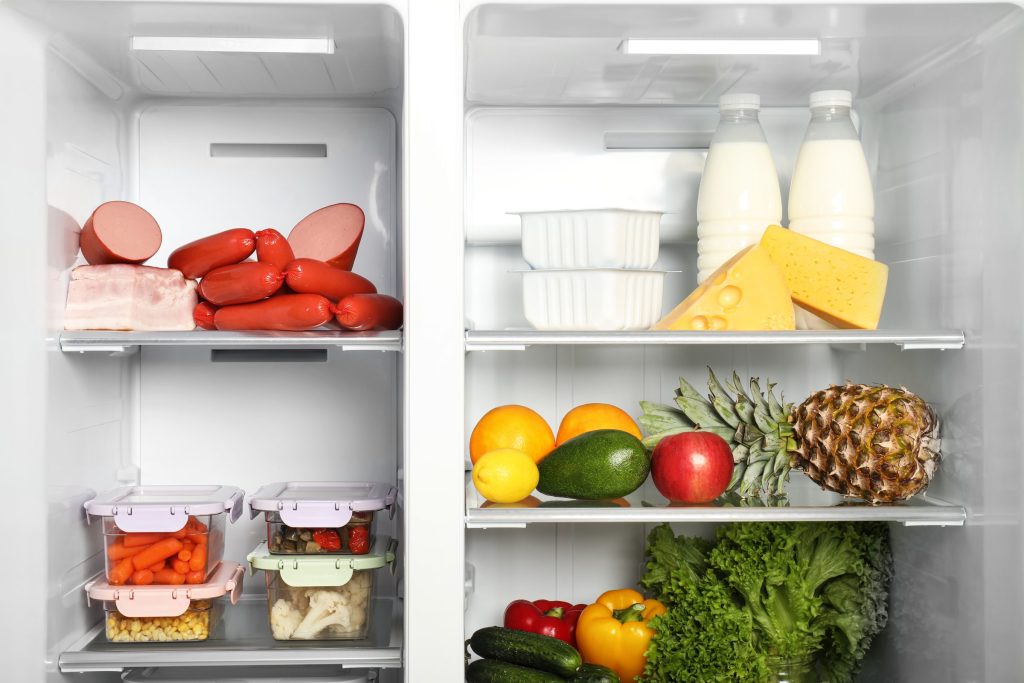
Cold air enters a refrigeration column at the back, usually through vents at the top or upper rear of the compartment. Whatever sits directly in front of those vents receives the coldest air in the cabinet — several degrees colder than the middle of the shelf, and easily below freezing.
That is why this complaint is nearly always about a specific shelf rather than the whole refrigerator, and it is why the first move is free: move the greens, the milk and anything delicate away from the back wall and toward the front or the door.
Then measure, rather than read
The display is a set point — what you asked for. It is not a measurement of what the cabinet is achieving, and the gap between the two is the entire question here.
Put a glass of water on the middle shelf, leave it overnight with the door closed, and read it in the morning. 37 to 40°F is where it should be. Anything at or below freezing across the middle of the cabinet is a real problem rather than a placement one.
The free causes, in order
Placement. As above. Half of these end here.
The setting. Somebody changed it, or a child leaned on the panel, or it was set cold before a holiday and never put back. Worth simply looking at.
An almost-empty cabinet. Thermal mass matters. A column with three items in it swings much more than a full one, and it overshoots on the cold side. Bottles of water are free ballast.
Blocked vents. Food packed hard against the back wall stops air circulating, which produces cold spots at the vent and warm ones everywhere else — both complaints from one cause.
A door left ajar. Counterintuitively this can produce ice as well as warmth: the system runs continuously trying to keep up, and the air coming out of the vent gets colder as it does.
When it is the appliance
The damper. A flap that meters cold air from the freezer side into the refrigerator side. Stuck open, the refrigerator gets far more cold than it asked for and freezes things regardless of the setting. It is a contained repair.
A sensor reading wrongly. If the cabinet believes it is warmer than it is, it keeps cooling. This is the mirror image of the more familiar problem where a sensor makes a cabinet run warm.
A fan running when it should not, or a control that is not cycling properly. Less common, and usually accompanied by a compressor that never seems to stop.
The two-column tell
On separate refrigerator and freezer columns, ask what the freezer is doing.
- Freezer normal, refrigerator freezing: points at the refrigerator column's own damper, sensor or airflow.
- Both behaving strangely: more likely a control question, and worth a visit rather than a rearrangement.
What to do before calling
- Move the food away from the back wall
- Check the setting is where you think it is
- Overnight glass of water, middle shelf
- Look at whether the vents are blocked
- Note whether the compressor ever seems to stop
If the water is at or below freezing with the vents clear and the setting correct, that is a genuine symptom and worth a visit — and those five lines will shorten it. What a diagnostic covers and what it starts at.
If it turns out to be a repair
What this leads to, and what it costs
Every job on this site is priced the same way: an on-site diagnostic first, the figure agreed in writing before anybody starts.
-
No code — read the alarm Refrigerator not cooling
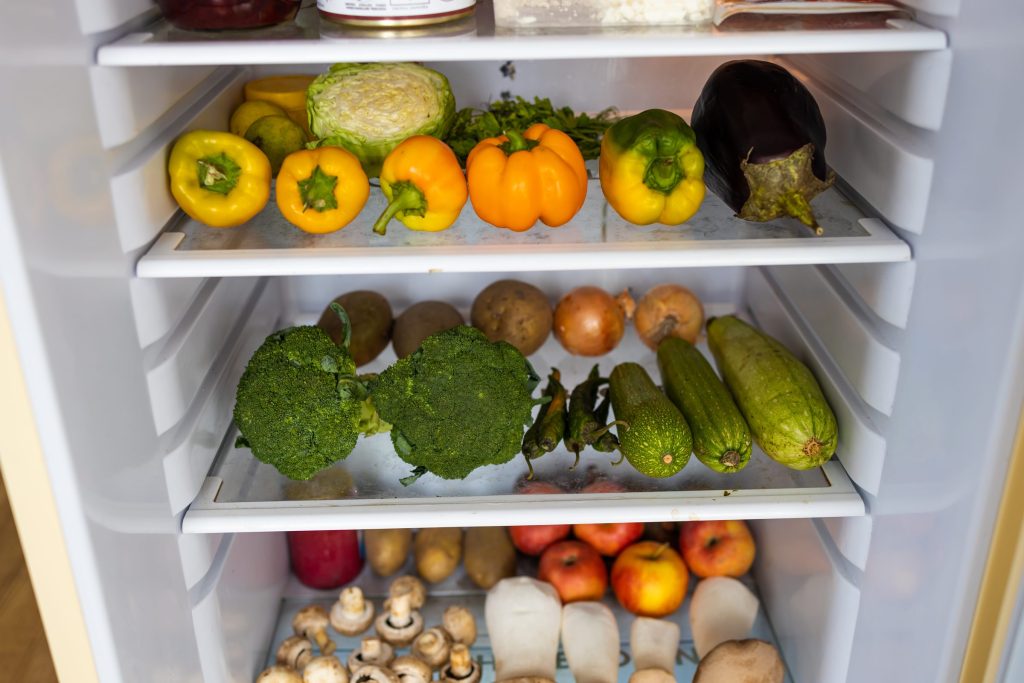
A column that is warmer than it should be, running constantly, or alarming. This make publishes no refrigeration error codes at all, so what the cabinet signals is the diagnosis.
- Cabinet warmer than its setting
- Compressor running and never resting
- An alarm symbol on the display
-
Usually warm air getting in Frost or ice building up
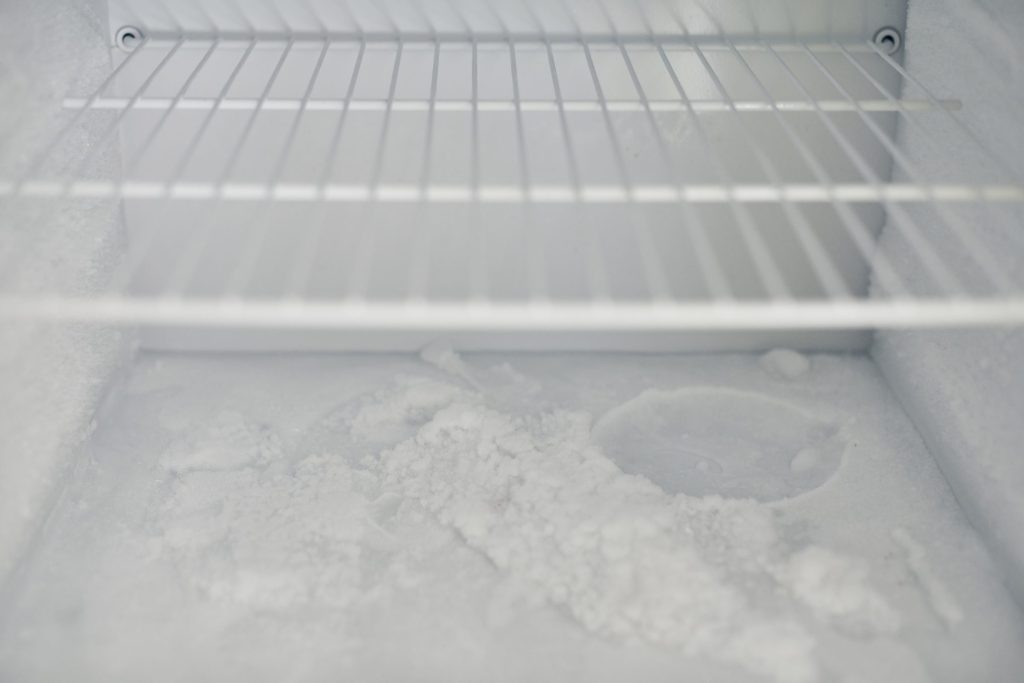
Ice on the back wall, frost on packages, or a drawer frozen into place. Frost is water that arrived from somewhere, and on a built-in column that is usually a door.
- Ice on the rear wall of the cabinet
- Frost on food and packaging
- A drawer that has frozen shut
-
from $280 Condenser and fan service
The single most useful thing anybody does to built-in refrigeration in this climate, and the one most often left undone until something expensive happens.
- Condenser cleaned properly, not blown around
- Fans tested for speed as well as movement
- Clearances checked against how it is built in
-
Freedom columns · French door · Under-counter Built-in refrigerators & columns
A Freedom column is one cabinet holding one temperature — all refrigerator, no freezer in it — usually installed beside a freezer column as a matched pair behind panels that look like joinery. That makes the diagnosis cleaner and the access harder.
- Not holding temperature
- Frost or condensation inside the cabinet
- A door that no longer seals against its panel
Questions people ask about this
Only the back shelf freezes.
That is airflow, not a failure. Cold air arrives at the back and the first thing it meets gets the coldest air in the cabinet. Move delicate items forward and to the door, and the problem generally disappears.
The display says 38°F but there is ice in the milk.
The display is the set point, not a measurement. Put a glass of water on the middle shelf overnight and read it in the morning — that is what the cabinet is actually doing.
It started when the cabinet got empty.
That fits. A nearly empty compartment has little thermal mass, so it overshoots more easily and recovers faster after the door is opened. Filling it, even with bottles of water, evens it out.
Could a damper cause this?
Yes. The damper meters cold air from the freezer side into the refrigerator side, and one stuck open leaves the refrigerator getting far more than it asked for. That is a repair, and it is a contained one.
Is frozen food from the refrigerator still safe?
Safe, yes. Good, often not — lettuce, cucumber and most soft produce collapse when they thaw, and dairy separates. It is a quality problem rather than a safety one.
Common Problems
More guides like this one
-
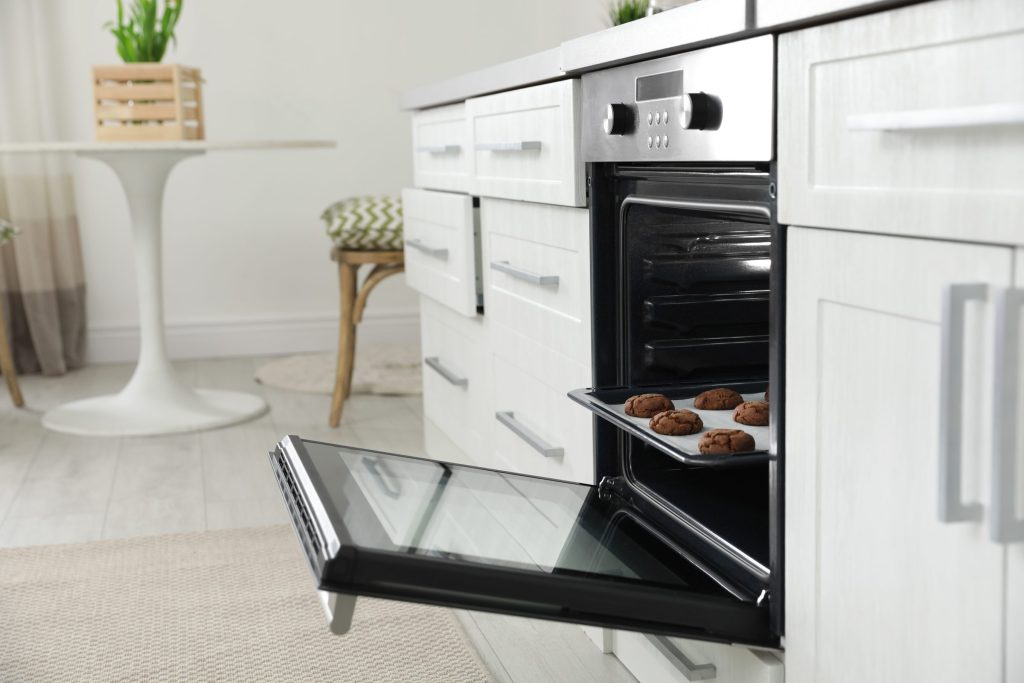
Why a Thermador Oven Takes So Long to Preheat — and When That Is Normal
A large professional cavity genuinely takes longer than the 30-inch oven it replaced, and the preheat signal does not mean what most people think it means. Then the two cases where slow preheating is a real symptom.
Read more -
Thermador Oven Beeping: What Each Pattern Is Telling You
Beeping is the one signal these ovens use for half a dozen unrelated things — a finished timer, a probe target reached, a door left open, or a code on a model with no display to show one. How to turn a noise into a next step.
Read more -
Why a Thermador Oven Is Loud, and Which Noises Matter
A fan that keeps running after the oven is off is designed behavior and the most common is-my-oven-broken call there is. The four noises these ovens make, which one has a published code of its own, and when to stop wondering.
Read more
Tell us the model number and what it is doing.
This article is based on:
- Official manufacturer documentation
- Internal repair procedures
- Technician repair history
- Company quality standards