
Troubleshooting
Resetting a Thermador Induction Cooktop, and Reading Its F Codes
Dry the glass completely and clear anything resting on it, then hold the lock key for a few seconds to release the child lock. If it still refuses, switch off at the breaker for five minutes. A zone that shut down after a long session at high power needs neither — it needs twenty minutes to cool, because that is a protection rather than a failure.
The full guide
Work out which lockout you have first
An induction cooktop has more ways to protect itself than to break, and each protection has a different answer. Resetting the wrong thing is how somebody ends up booking a visit for a cooktop that is working perfectly.
1. A wet or filmed panel
The most common cause by a distance. These controls sense a change in capacitance, and a film of water looks very much like a fingertip. Rather than risk switching a zone to full power by itself, the cooktop locks out — and this make publishes that as its own condition rather than leaving it as a mystery beep.
Dry the glass with a dry cloth, including the film a damp cloth leaves behind, and give it five minutes. Look under the edge of any spill that has dried in, because sugar holds moisture for days.
2. The child lock
Look for the small lock symbol. Then hold its key for a few seconds rather than tapping it — tapping does nothing, which is precisely the point of a lock and precisely why it gets mistaken for a failure. It is easy to set by accident while wiping the glass.
3. A thermal protection
A zone that has shut down after a long session at high power, or the whole cooktop switching off together, is heat rather than damage.
The Miami version of this call: an induction cooktop over a wall oven, on a day when something was in the oven for three hours. Everything is functioning correctly and the cooktop is the component that noticed first. Give it twenty minutes with nothing on the glass, then try that zone alone.
No reset shortens this. What helps in the longer term is the ventilation gap under the counter — worth checking whether a drawer or a remodel has closed it up.
4. The full reset
If the glass is clean, dry and cold, the lock is off and it still will not respond: five minutes off at the breaker. Genuinely five, because the electronics hold their state longer than people expect.
Do not do this while a zone is hot. Cutting power removes the cooling fan as well as the controls. Let it cool first, then reset.
Reading the F codes
They are not interchangeable, and three of the six are not repairs:
- F0 — the cooktop has found an error in its own controls and stopped
- F1 — a zone has overheated and shut itself down. A protection
- F2 — the electronics have overheated. Usually the oven below, or a blocked vent
- F4 — all zones too hot together. Same family, further along
- F5 — the panel is wet or fouled. Dry it
- F8 — power limited: the cooktop has cut its own output to stay inside a limit set at installation
- E9000 — supply voltage wrong. Your building, not your cooktop
Every one of them has a page in the code archive here, with what it covers and what to check.
The pan question, because it is not a reset
If a zone beeps and quits with a pan sitting on it, the pan may be invisible to the cooktop. Put a fridge magnet on the base: if it does not stick firmly, that pan will never work on induction, whatever you reset. Copper, aluminum and most glass simply cannot be used, and a base too small for the zone has the same effect.
Test the same pan on another zone. Works elsewhere means the zone; fails everywhere means the pan. Two minutes, and it decides everything.
When to call
- A zone fails cold, immediately and repeatedly, with a known-good ferrous pan
- The cooktop is dead with the breaker confirmed good
- F2 or F4 returns on a cool cooktop with clear ventilation
- The glass is cracked or chipped — that is its own repair
Tell us the code and what the oven below was doing when it happened. Those two things together answer most of these before anybody drives anywhere.
If it turns out to be a repair
What this leads to, and what it costs
Every job on this site is priced the same way: an on-site diagnostic first, the figure agreed in writing before anybody starts.
-
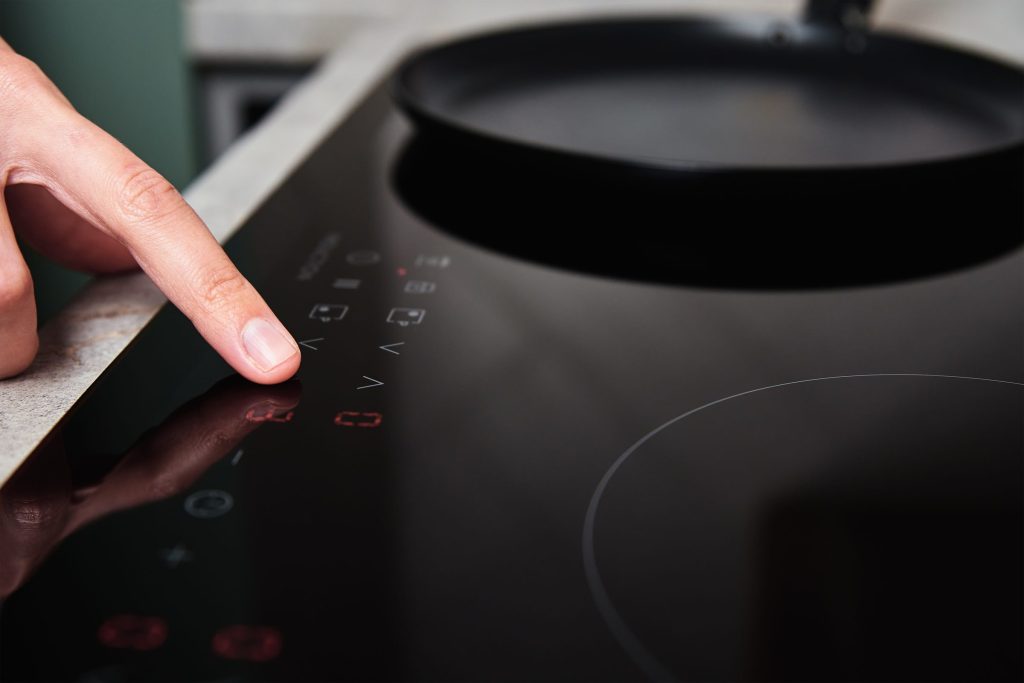
Often just wet Cooktop controls locked or unresponsive
A cooktop that beeps and refuses, shows a lock symbol, or ignores the panel entirely. Spilled liquid and a wiped-but-damp surface are the usual reasons.
- A lock symbol on the display
- Beeps but nothing happens
- Panel dead with the cooktop otherwise powered
-
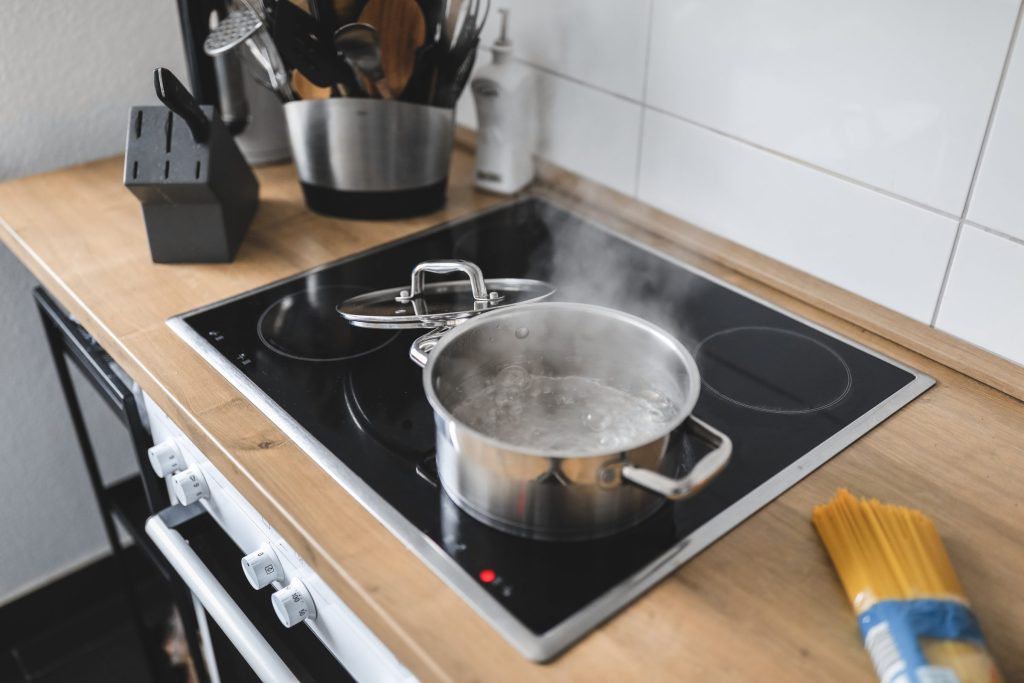
Usually a protection Induction zone switches itself off
A zone that stops mid-cook, or a cooktop that shuts down after a long session at high power. On induction that is nearly always the appliance protecting itself, and it costs nothing to confirm.
- One zone stops during cooking
- Everything shuts down together
- A letter-F code on the display
-
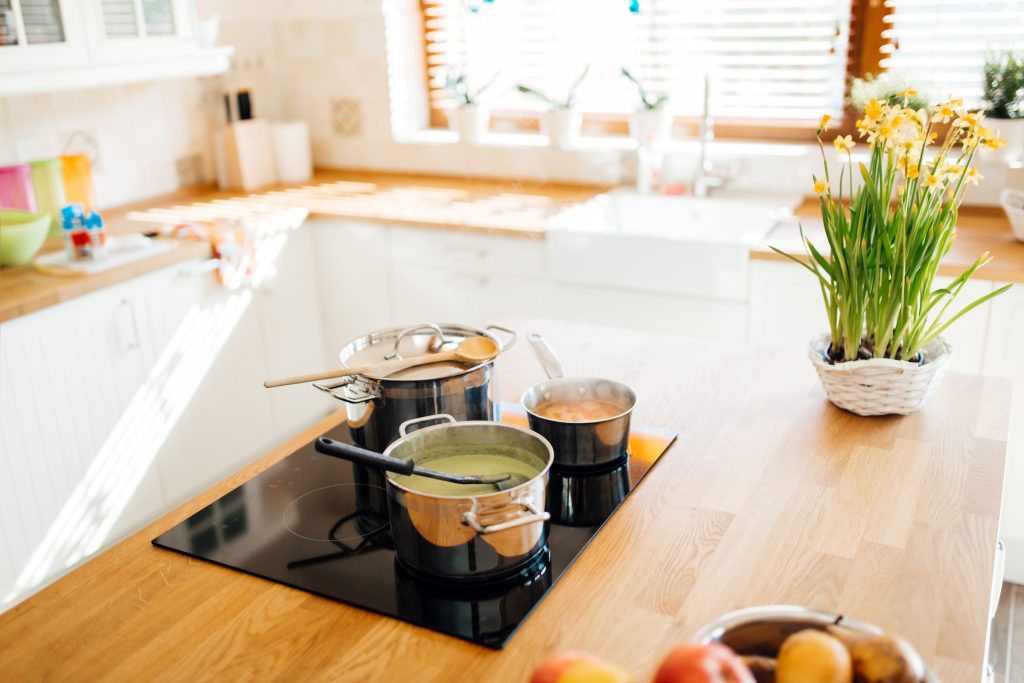
Freedom Induction · Masterpiece · Star burner Cooktops & rangetops
Freedom induction is this brand's own idea: one continuous glass surface that finds the pans rather than four printed rings to line them up with. It changes what goes wrong and what the complaint sounds like — most of what we are called out for on these is the surface protecting itself, and it is usually right to.
- A zone switching itself off mid-cook
- The surface not recognizing a pan
- Controls locked or answering a wet cloth
-
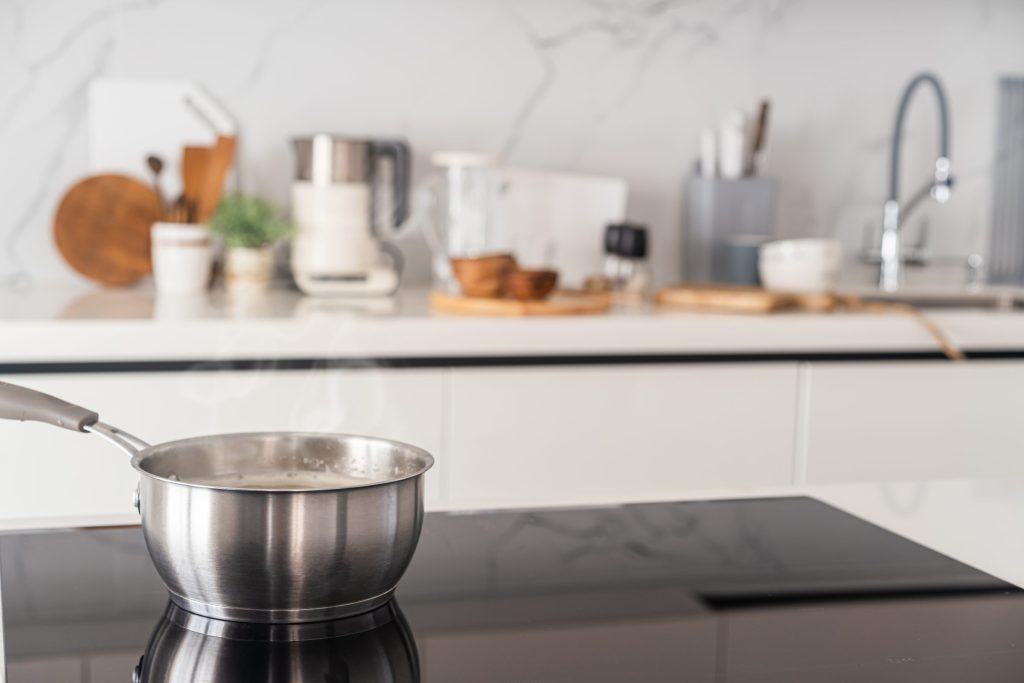
from $240 Cooktop and induction repair
A zone that stops mid-cook, a cooktop that will not recognize a pan, or a panel that has locked itself. Most induction calls are protections doing their job, and those cost the visit.
- F0, F1, F2, F4 and the E9000 supply condition
- Protections separated from failures before anything is ordered
- The wireless probe treated as its own device
Questions people ask about this
The cooktop beeps three times and switches off.
Usually the panel reading something it should not — liquid, a damp cloth, or a pan resting across the control strip. Clear and dry the glass properly and try again before assuming anything is wrong.
How do I turn the child lock off?
Press and hold the key with the lock symbol, typically for a few seconds. Tapping it does nothing, which is exactly why the lock works and also why people think the cooktop has failed.
A zone keeps switching off during cooking.
That is a thermal protection, and the commonest reason is a hot oven directly underneath — both appliances are working, and the cooktop stops because of the oven. Twenty minutes with nothing on the glass, then try that zone alone.
It never reaches full power.
Check whether it was commissioned at a reduced power limit, which many built-in installations are, to suit the circuit. It is a setting rather than a defect and it can often be changed if the circuit allows.
What is E9000?
Supply voltage outside what the cooktop will run on. In a building fed 208V from a three-phase supply, equipment expecting 240V says exactly this. It is an electrician's call, and replacing parts in the cooktop will not change it.
Troubleshooting
More guides like this one
-
Resetting a Thermador Oven After a Power Outage
Storm season leaves ovens with a flashing clock, a mode nobody set, or a code that arrived with the surge. What a reset clears, in the order to try them, and which codes survive one and therefore mean something.
Read more -
How to Reset a Thermador Dishwasher (and When a Reset Is the Wrong Move)
The reset most people are looking for is a cycle cancel. The one that helps is five minutes at the breaker. Both are here — along with the case where resetting is exactly the wrong move, because the machine has locked itself out over water.
Read more -

Resetting a Thermador Ice Maker, and Giving It Time to Work
Most ice-maker resets are done too soon. The manufacturer's own production figures first, then the reset itself — plus the filter registration and the ice shovel that stop production while looking like nothing at all.
Read more
Tell us the model number and what it is doing.
This article is based on:
- Official manufacturer documentation
- Internal repair procedures
- Technician repair history
- Company quality standards