Maintenance & Prevention
Cleaning Thermador Range Hood Filters (and Why the Hood Went Quiet)
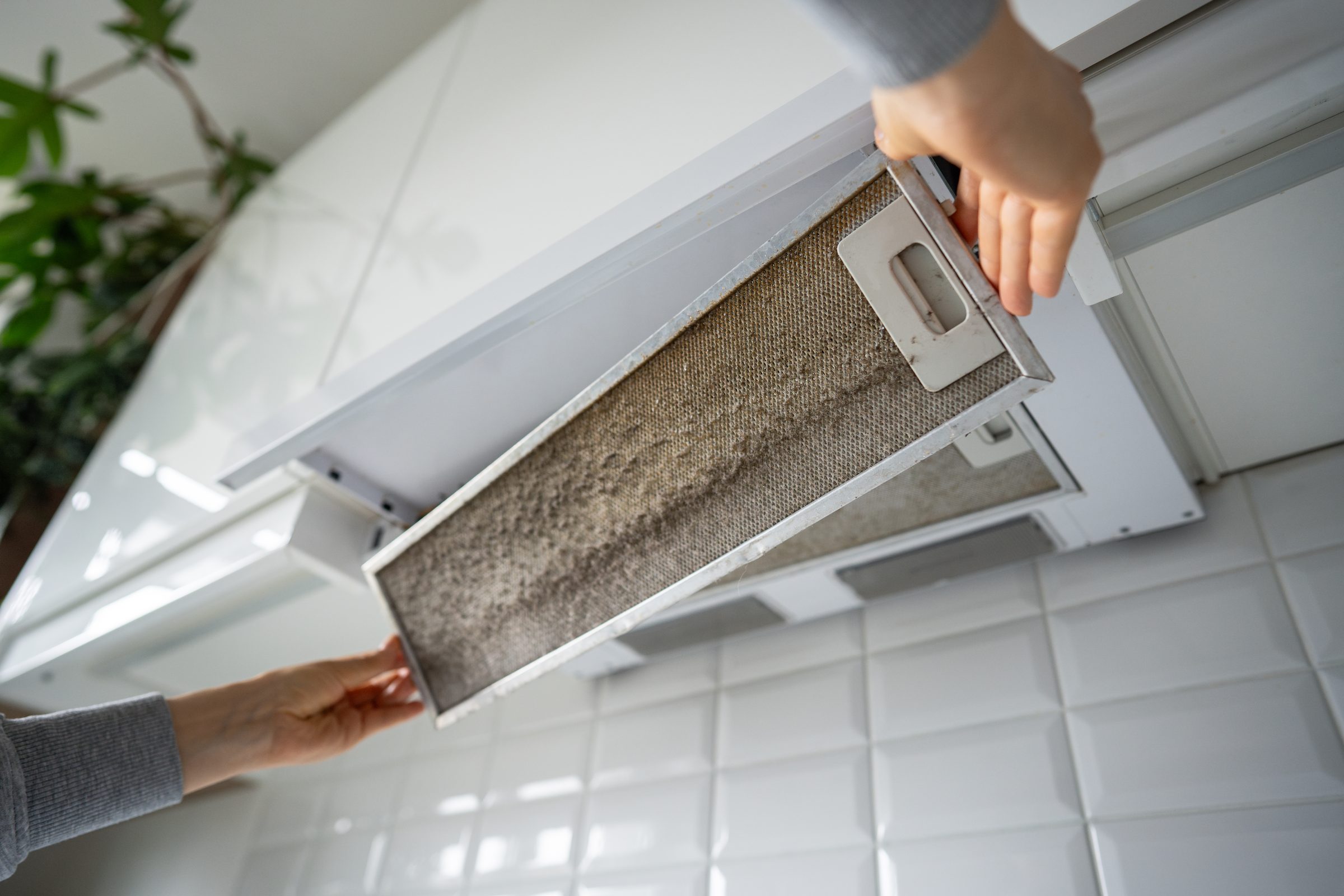
Baffle filters lift and pull out by their handles with the hood cool. Wash them in the dishwasher on a hot cycle, or soak them in hot water with dish soap and a little baking soda, then dry them completely before refitting. Every one to three months depending on how much you cook — a saturated filter makes a perfectly good hood seem to have stopped working.
The full guide
The reason this page exists
More than a few "my hood has stopped working" calls end at a set of filters that have not been washed since the kitchen was installed. Grease saturates the baffles, air stops going through them, and a perfectly healthy blower moves nothing. It is the cheapest fix in the house and the one nobody gets to before booking.
Getting them out
With the hood cool and switched off:
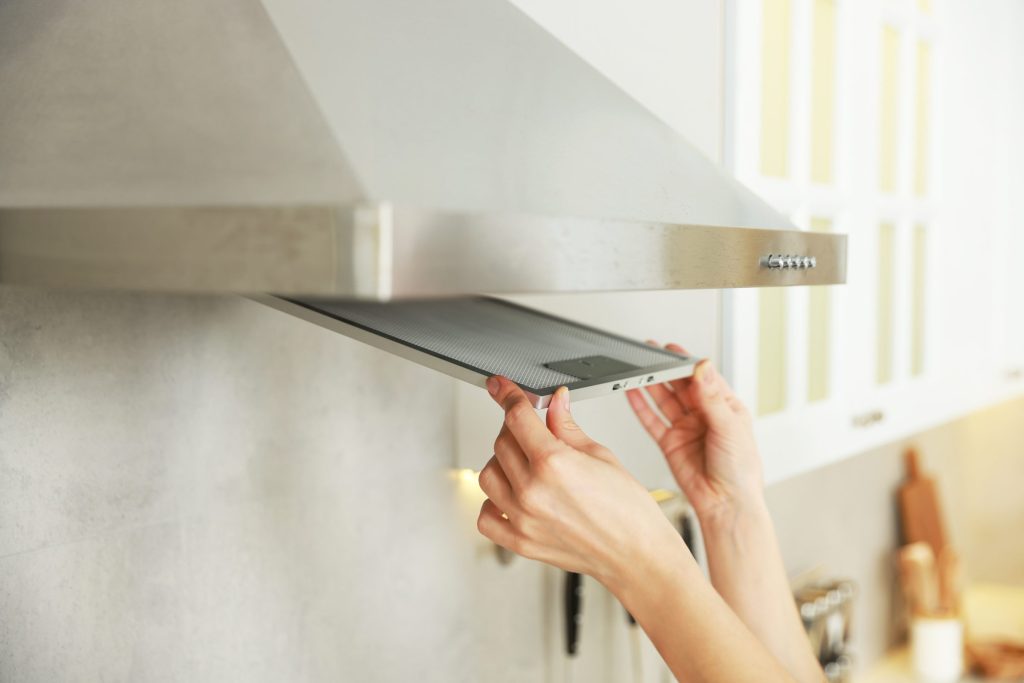
Baffle filters lift slightly and pull out by the handle at the front. There is usually a small catch or lip to clear first — they are heavy, they are sharp-edged, and two hands is the right number.
Note which way round they came out. They have an orientation, and refitted the wrong way they whistle and let grease past.
Washing them
Dishwasher. Stainless baffles go on a hot cycle, on their own. Aluminum mesh filters survive it and come out dull — they still work, so it is a question of how the kitchen looks.
By hand. Hot water, dish soap, a good spoonful of baking soda, and twenty minutes of soaking before you touch them with a brush. The soak does the work; scrubbing a dry filter does not.
Dry them completely before they go back. A damp filter in a warm hood develops a smell of its own within days.
How often
- Cooking most days, with a gas top: monthly
- Cooking a few times a week: every two to three months
- A second kitchen or a rarely used range: twice a year, and check them anyway
Frying and searing shorten every one of those intervals. So does a downdraft, which pulls grease across a longer path than a wall hood does.
The filter that cannot be washed
If your hood recirculates rather than venting outside, it also has a charcoal filter. It handles smells rather than grease, it is not washable, and it is replaced every six to twelve months.
Plenty of owners of recirculating hoods have never replaced one, which is the usual reason a hood extracts fine and the kitchen still smells of last night.
When clean filters do not fix it
Ventilation on this equipment comes three ways, and where the blower lives changes everything:
- In the hood — the simplest, and the easiest to diagnose
- Inline, in the ceiling run — quieter in the kitchen and frequently on its own circuit
- Remote, outside the building — quietest of all, and the reason a hood can be silent while its controls are perfectly healthy
A hood that does nothing at all is worth checking against every breaker in the house before anything else, because a remote blower is often on one nobody associates with the kitchen. The full symptom page works through it.
Duct runs, honestly
A long horizontal run with several bends costs a surprising amount of airflow, and no amount of cleaning gets it back. If your hood has never extracted well — as opposed to having got worse — the installation is a fairer suspect than the appliance, and that is worth knowing before you pay anybody to look at the blower.
The one to book
A hood that runs on some speeds and not others: that is the speed control rather than the motor, and it is the cheaper of the two. What a hood repair starts at — it is the least expensive appliance on this site, and we would rather say so.
If it turns out to be a repair
What this leads to, and what it costs
Every job on this site is priced the same way: an on-site diagnostic first, the figure agreed in writing before anybody starts.
-
Find the blower first Range hood not working
A hood that does nothing, runs only on some speeds, or a downdraft that will not rise. On this equipment the blower may be in the ceiling or outside the building, and that changes the whole job.
- No response at all from the controls
- Runs on low but not on high
- A downdraft that will not lift
-
from $135 Range hood repair
A blower that has stopped, lights that have gone, or a downdraft that will not rise. The cheapest appliance in the kitchen to repair, and we would rather say so than pretend otherwise.
- Remote and inline blowers traced to the right place
- Downdraft lift mechanisms diagnosed separately
- E7010 — the hood-and-cooktop link explained
-
from $155 Descaling and maintenance
South Florida water is hard, and this platform publishes a code for scale in the heat pump. Descaling, filter changes and the checks that keep a $155 service from becoming a $245 assembly.
- E12 and E2060 — scale, published as a condition
- Water and air filters changed and registered
- Condenser and hood filters cleaned properly
-
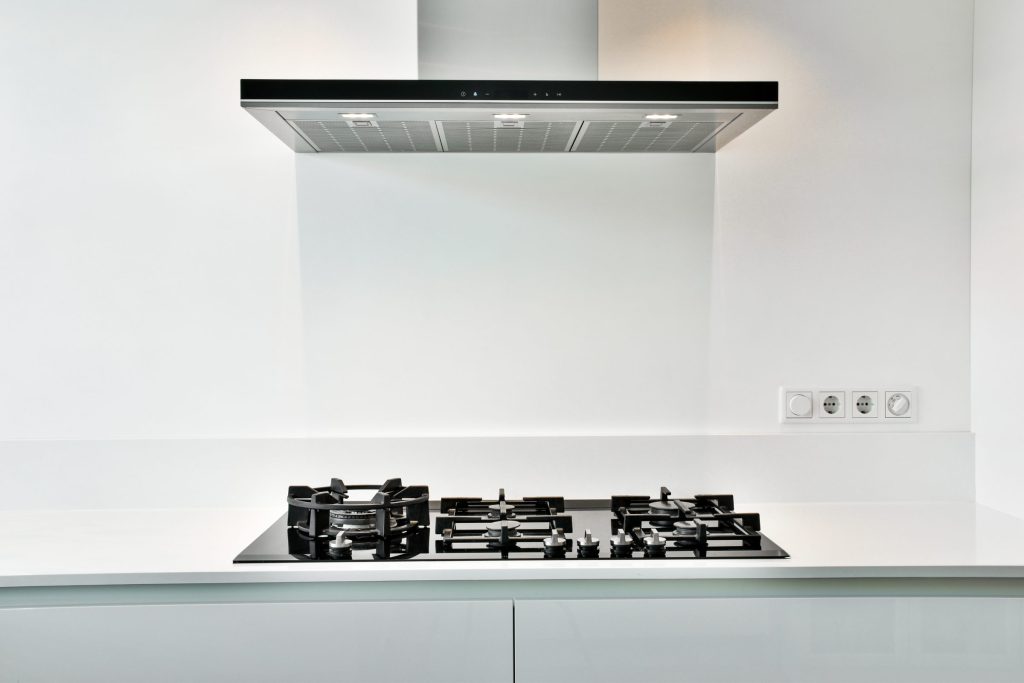
Pull-out · Chimney · Island · Downdraft Range hoods & ventilation
Paired to the cooktop below it and, on the newer kitchens, talking to it — a hood that will not follow the burner is a connection question rather than a broken fan. Pull-out hoods add a mechanism that fixed ones do not have.
- The fan not starting or running at one speed
- The light out while the fan works
- A hood that no longer follows the cooktop
Questions people ask about this
How do I know they need doing?
Hold one up to the light: if you cannot see through the gaps, air is not going through them either. The other tell is a hood that seems weaker than it used to be with nothing else changed.
Is the dishwasher safe for them?
For stainless baffle filters, yes, on a hot cycle without other dishes. Aluminum mesh filters discolor in a dishwasher — they still work, they just go dull, so hand washing keeps them looking right.
What is a charcoal filter?
The one that removes smells rather than grease, and it is only fitted on hoods that recirculate rather than vent outside. It cannot be washed — it is replaced, usually every six to twelve months.
The hood is loud since I cleaned them.
Check they went back the right way round. Baffle filters have an orientation, and refitted upside down they whistle and pass grease straight through.
It still does not extract with clean filters.
Then look further along: on this equipment the blower may be in the ceiling or outside the building, and a long duct run with several bends costs a lot of airflow. That is where a visit starts.
Maintenance & Prevention
More guides like this one
-
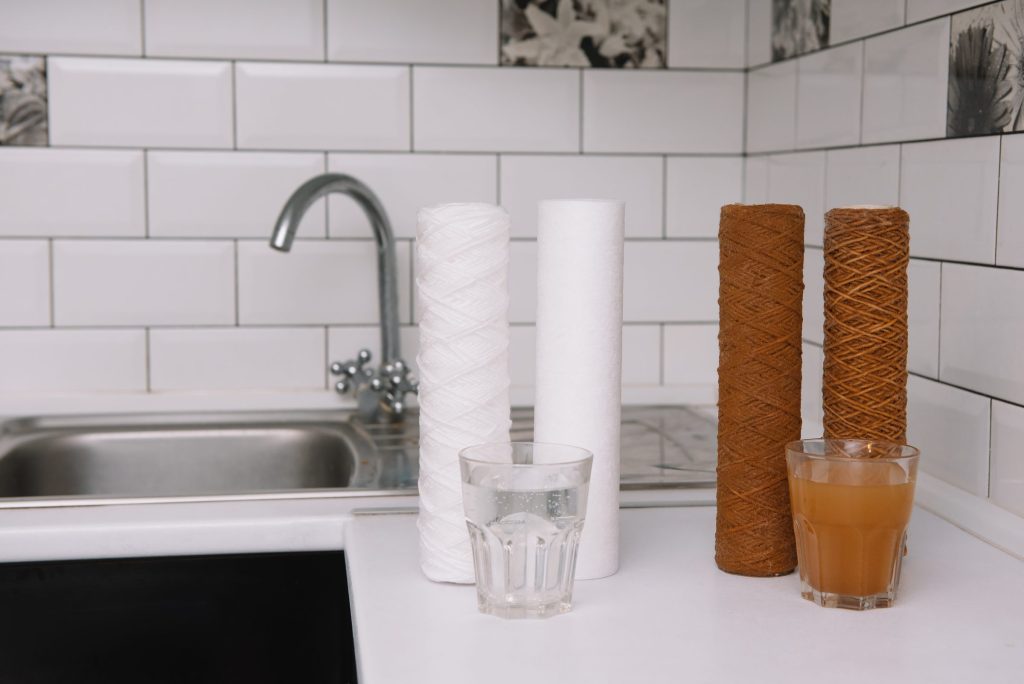
Changing a Thermador Water Filter — and Making the Symbol Stop Flashing
The most searched question about this brand's refrigeration, and the answer is three seconds on two buttons. The full version: which filter, where it lives, why the reminder is a counter rather than a measurement, and the odor filter nobody knows about.
Read more -
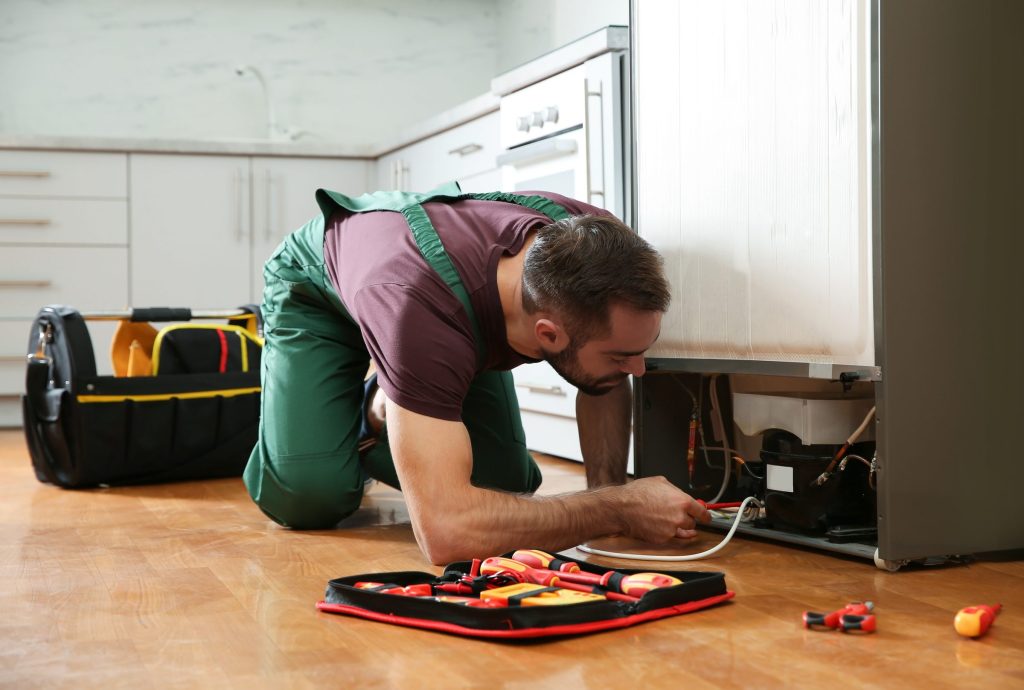
How Often Built-In Refrigeration Needs Servicing in South Florida
The manual is written for the country. This is written for a climate where a condenser furs up faster and a compressor never gets a cool night off — a yearly schedule for columns, with what you can do and what needs a visit.
Read more -
Cleaning a Thermador Oven Without Running Self-Clean
Self-clean is the cycle that most often produces a service call afterwards — a seized latch, a tripped cutout, ash smelling on the next bake. How to clean these ovens without it, and how to run it safely on the occasions you do.
Read more
Tell us the model number and what it is doing.
This article is based on:
- Official manufacturer documentation
- Internal repair procedures
- Technician repair history
- Company quality standards