
Maintenance & Prevention
How Often Built-In Refrigeration Needs Servicing in South Florida
Clean the condenser once a year, and twice if there are pets in the house. Flush the drain and check the door seals at the same time, change the water filter about every six months and the odor filter yearly. A technician visit is worth it every one to two years on built-in columns — mainly to reach the parts of the condenser and fans an owner cannot.
The full guide
Why the interval is shorter here
Manuals are written for the country as a whole. A refrigeration column in Coral Gables works in a climate the average American cabinet never meets:
- Heat, most of the year. A compressor that would get cool nights off elsewhere does not here.
- Humidity. More moisture to condense, more work per cycle, more melt water through the drain.
- Salt, near the water. It reaches metal years ahead of any schedule written for a dry climate.
- Built-in installation. A column sheds its heat through a grille into a cavity in joinery, which is a much smaller margin than a freestanding refrigerator standing in a room.
None of that makes the equipment fragile. It does make the maintenance interval shorter than the book suggests.
The yearly list
The condenser. The single most useful thing anybody does to built-in refrigeration. Take the grille off, vacuum with a brush head, and look at what comes away. Fins that are gray and furry rather than metal-colored have been costing you compressor life for months.
Twice a year with pets in the house. Hair is the fastest thing there is at choking a coil.
The drain. Flush it with warm water while you are in there. Ten minutes, and it prevents a puddle.
The door seals. Paper test at four points a side, corners first, and dry the folds. A seal that has stopped gripping is the cheapest thing on this list and it does the most damage while nobody notices.
The filters. Water every six months; the odor filter yearly, and most people have never changed one at all.
Clearance. Check nothing has been stacked against the grille and that the cabinetry around the column has not been "improved" into a tighter fit.
What needs a technician
Roughly every one to two years on built-in columns, and honestly less often than that on a well-maintained one:
- The deep part of the condenser an owner cannot reach with a vacuum
- Fan speed, which matters because a fan that turns slowly looks perfectly healthy and behaves like a failure
- Temperature verification across both compartments rather than at the display
- Seal and hinge adjustment on panelled doors, which drop over years because they carry your cabinetry
- Anything with refrigerant in it, which is not owner territory at all
The arithmetic
A maintenance visit is priced here and starts at less than a tenth of what a sealed-system repair does. That is not a reason to buy one every year; it is the reason we are comfortable arguing for one on a built-in column when we would shrug at it on a freestanding refrigerator.
The honest version: if you clean the condenser yourself, flush the drain, and keep the seals right, you have done most of the value. What a visit adds is the parts of that list you cannot reach and a measured answer on fans and temperatures.
The signs that you are overdue
- The compressor sounds like it never stops
- Ice building somewhere it did not use to
- The cabinet takes noticeably longer to recover after the door has been open
- A temperature alarm that clears itself and comes back weeks later
Any of those and the yearly list above is the place to start, in that order, before anybody is booked. If it is still doing it afterwards, that is a real symptom and worth a visit.
If it turns out to be a repair
What this leads to, and what it costs
Every job on this site is priced the same way: an on-site diagnostic first, the figure agreed in writing before anybody starts.
-

from $155 Descaling and maintenance
South Florida water is hard, and this platform publishes a code for scale in the heat pump. Descaling, filter changes and the checks that keep a $155 service from becoming a $245 assembly.
- E12 and E2060 — scale, published as a condition
- Water and air filters changed and registered
- Condenser and hood filters cleaned properly
-

from $280 Condenser and fan service
The single most useful thing anybody does to built-in refrigeration in this climate, and the one most often left undone until something expensive happens.
- Condenser cleaned properly, not blown around
- Fans tested for speed as well as movement
- Clearances checked against how it is built in
-

Freedom columns · French door · Under-counter Built-in refrigerators & columns
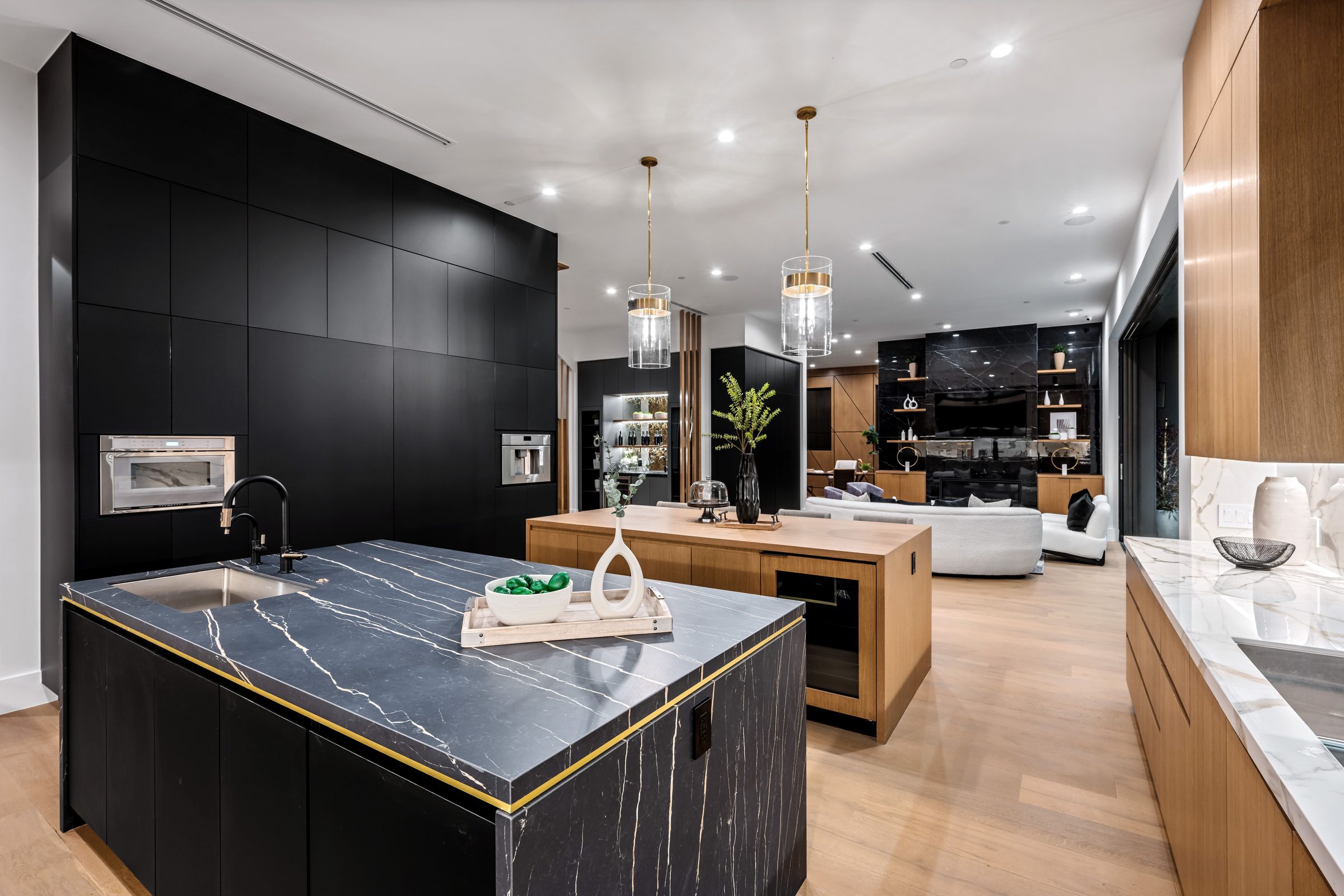
A Freedom column is one cabinet holding one temperature — all refrigerator, no freezer in it — usually installed beside a freezer column as a matched pair behind panels that look like joinery. That makes the diagnosis cleaner and the access harder.
- Not holding temperature
- Frost or condensation inside the cabinet
- A door that no longer seals against its panel
-
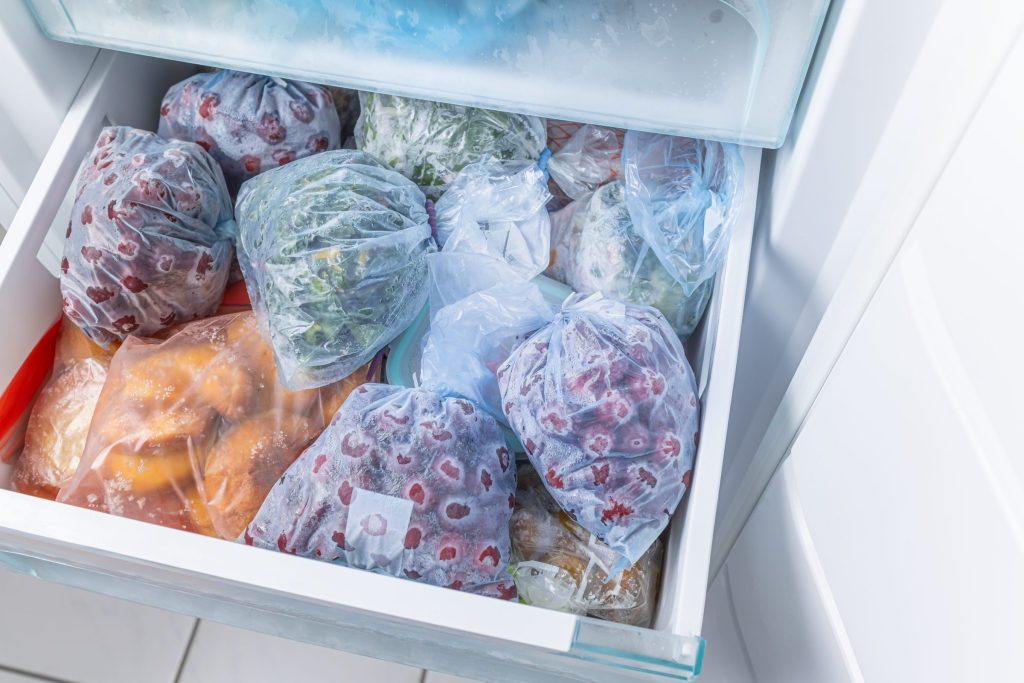
Freedom columns · 18" 24" 30" 36" Freezer columns
The other half of the pair, and the cabinet the ice maker lives in. A freezer column that is losing temperature announces itself long before the food is at risk — frost patterns change, the compressor runs longer, and the ice slows down first.
- Not holding temperature, with the refrigerator column fine
- Heavy frost building on one wall rather than evenly
- Ice production slowing down or stopping altogether
Questions people ask about this
Is a service visit actually worth it, or is it a sales pitch?
On a freestanding refrigerator we would say it is optional. On a built-in column in this climate we would not: the condenser is behind a grille in a confined cavity, the compressor runs harder for more months of the year, and the repair it is protecting against is four figures.
What can I do myself?
Most of it. Vacuum the accessible part of the condenser, flush the drain with warm water, wipe and dry the door seal folds, and change the filters. What you cannot reasonably do is the deep part of the coil and a proper check of fan speed.
How do I know the condenser needs it?
Look. Take the grille off and shine a light: if the fins are gray and furry rather than metal-colored, it is overdue. Cabinets in houses with dogs or cats can get there in a single year.
My column is only a few years old.
Age is not the driver here — dust, grease and heat are, and this climate supplies all three. A three-year-old column in a busy kitchen can need the coil cleaning more than a ten-year-old one in a second home.
Does maintenance void anything?
Cleaning a condenser and changing filters is owner maintenance and is expected. What is worth avoiding while a unit is in warranty is anybody dismantling sealed components — that is a manufacturer conversation.
Maintenance & Prevention
More guides like this one
-

Changing a Thermador Water Filter — and Making the Symbol Stop Flashing
The most searched question about this brand's refrigeration, and the answer is three seconds on two buttons. The full version: which filter, where it lives, why the reminder is a counter rather than a measurement, and the odor filter nobody knows about.
Read more -

Cleaning a Thermador Oven Without Running Self-Clean
Self-clean is the cycle that most often produces a service call afterwards — a seized latch, a tripped cutout, ash smelling on the next bake. How to clean these ovens without it, and how to run it safely on the occasions you do.
Read more -
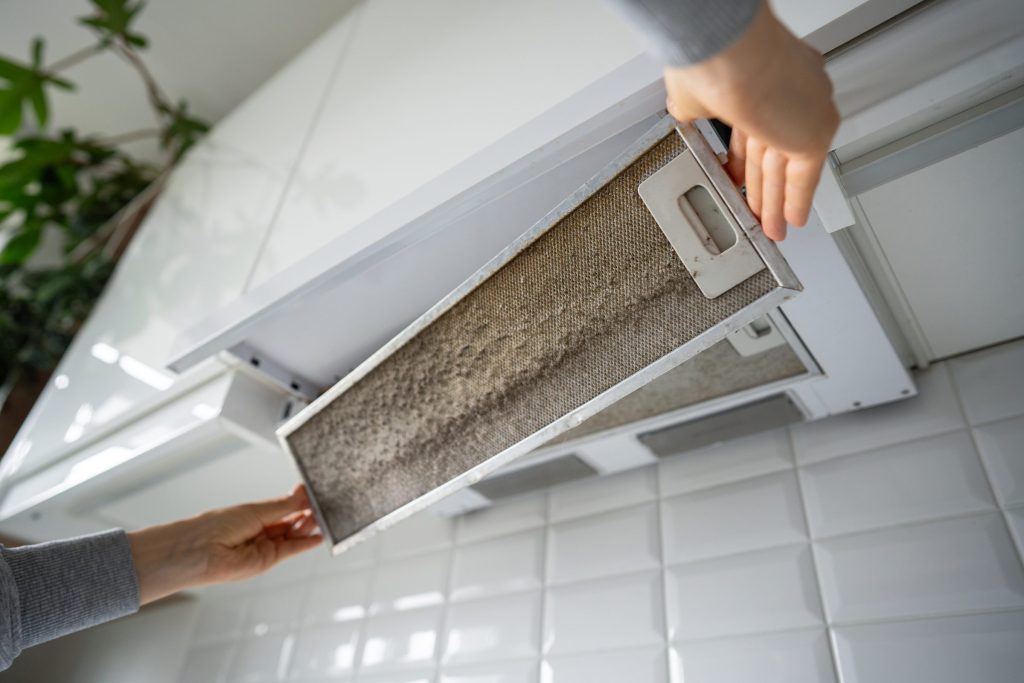
Cleaning Thermador Range Hood Filters (and Why the Hood Went Quiet)
The cheapest maintenance in the kitchen and the most skipped. How to remove and wash baffle filters, how often in a house that actually cooks, and why a saturated filter makes a working hood behave like a broken one.
Read more
Tell us the model number and what it is doing.
This article is based on:
- Official manufacturer documentation
- Internal repair procedures
- Technician repair history
- Company quality standards