Appliance
Thermador professional ranges
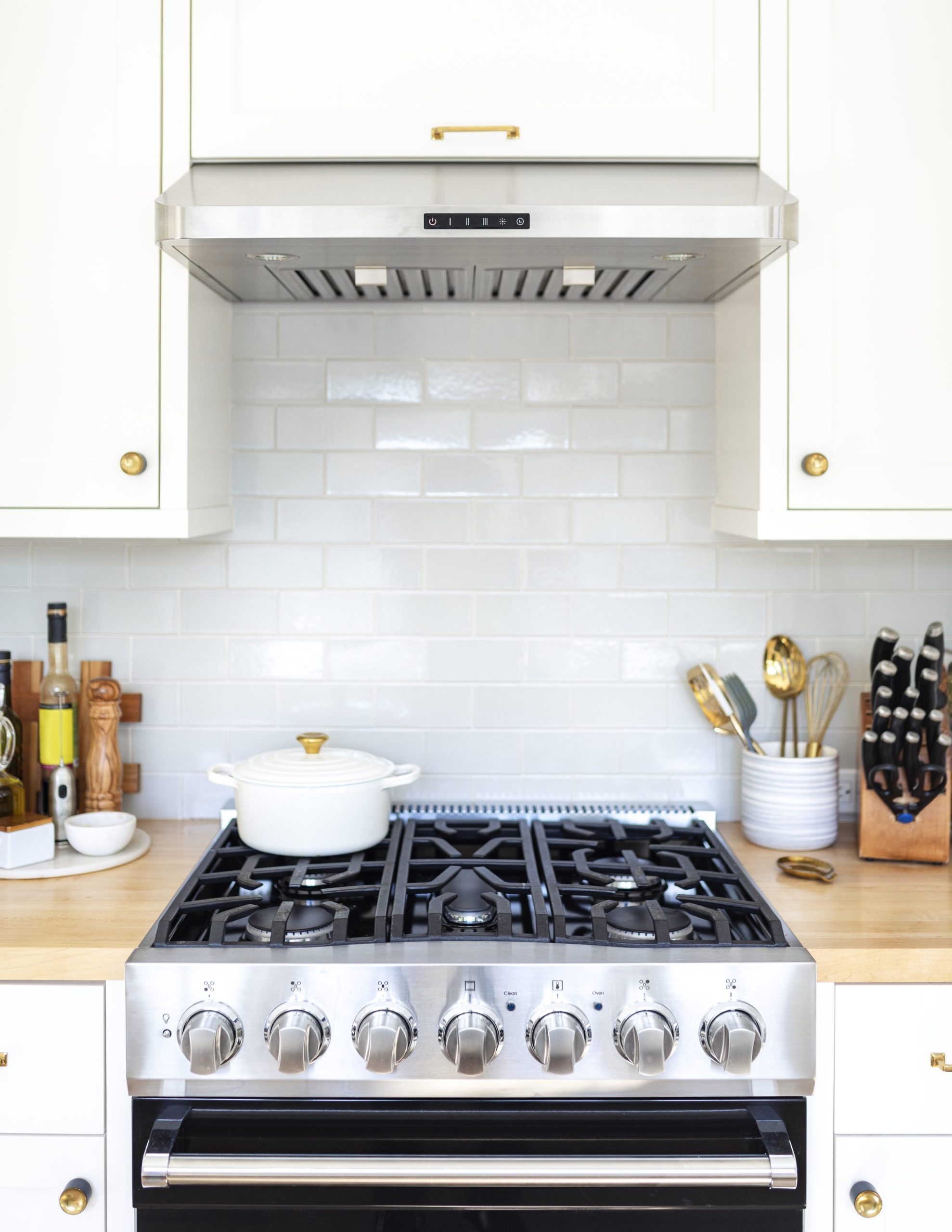
The appliance the brand is built around. A Professional range is two machines sharing a cabinet — a cooktop with star burners or an induction surface on top, and an oven underneath — and the two fail in completely different ways. Knowing which half you are describing shortens the visit before anybody arrives.
- 10 symptoms we are called out to
- From $95 diagnostic, credited to the repair
- 59 cities and neighborhoods covered
- OEM parts available on order
The short version
What this equipment is, for a repair
Configurations
Professional · 30" 36" 48" 60"
Access
Planned before the visit, not discovered on arrival
Parts
OEM, available on order
Diagnostic
From $95, credited to the repair
What goes wrong with it
Symptoms we are called out to on Thermador professional ranges
Each one covers the likely causes in the order they are worth checking, and what to do in five minutes before booking anything.
-
The code says which half Oven not heating
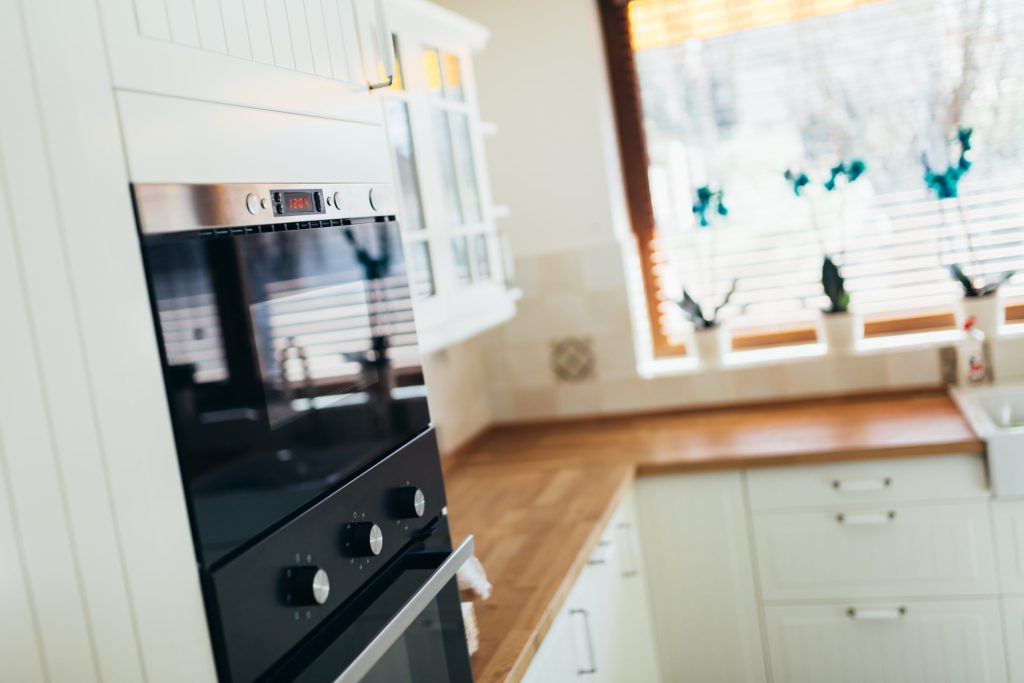
An oven that lights up, sets a temperature and never gets there — or does nothing at all. On a double oven the code tells you which cavity before anyone opens anything.
- Sets a temperature and stays cold
- One cavity works, the other does not
- A code beginning E1 or E3
-
Measure before you judge Oven runs hot or cold
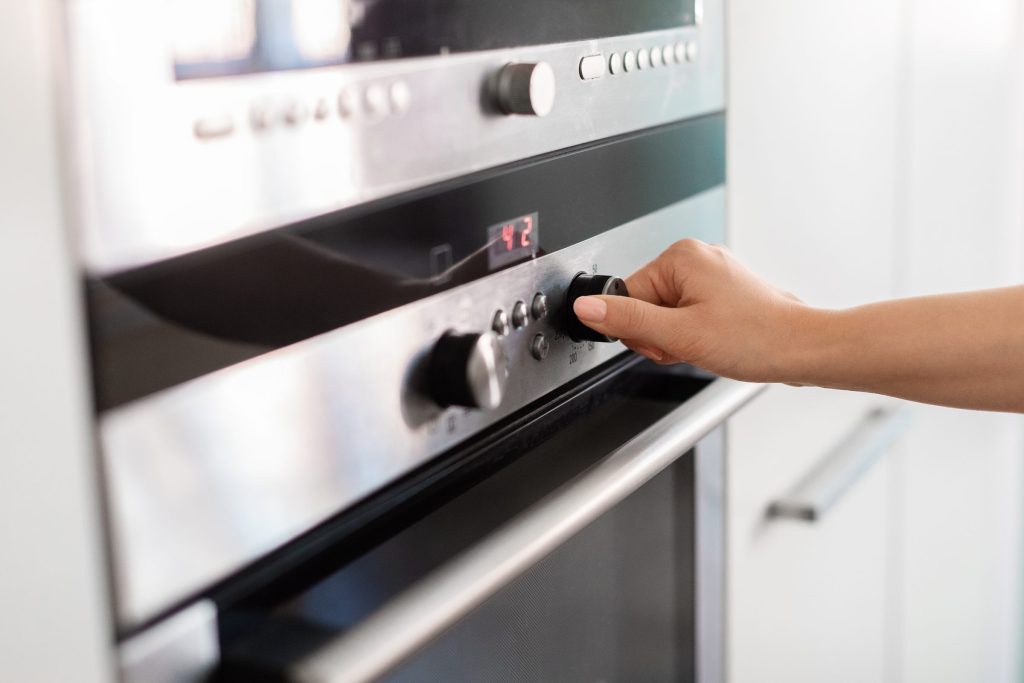
Baking that has gone wrong at the same setting you have always used. A thermometer in the middle of the oven settles in twenty minutes what an argument about it never will.
- Everything browning too fast, or not at all
- A consistent offset at every setting
- A code in the E1 or E2 hundreds
-
Do not force it Oven door locked shut
A self-clean cycle that has finished and a door that will not open. The latch releases on temperature rather than on a timer, and forcing a professional door turns a small repair into a large one.
- Door locked after a clean cycle
- Self-clean that will not start at all
- A latch code in the hundreds
-
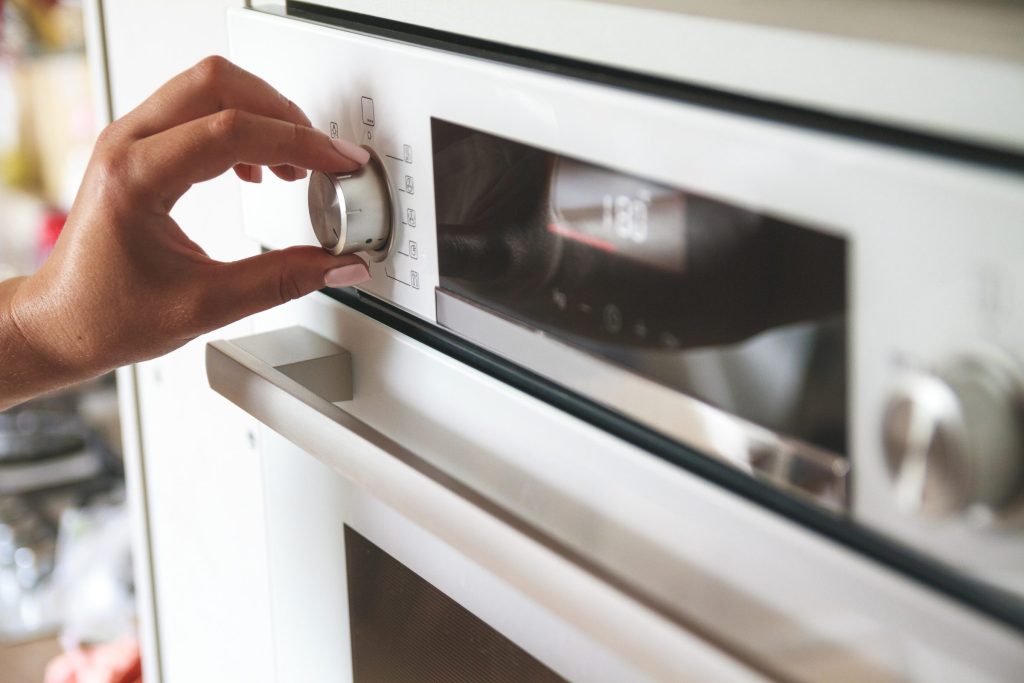
Often steam, not electronics Oven controls not responding
A touch panel that ignores you, repeats itself, or reports a key held down. On a panel above a cooktop the usual cause is condensation, and it clears when the panel dries.
- Panel unresponsive or erratic
- A code about a key being held
- Dead panel with no lights at all
-
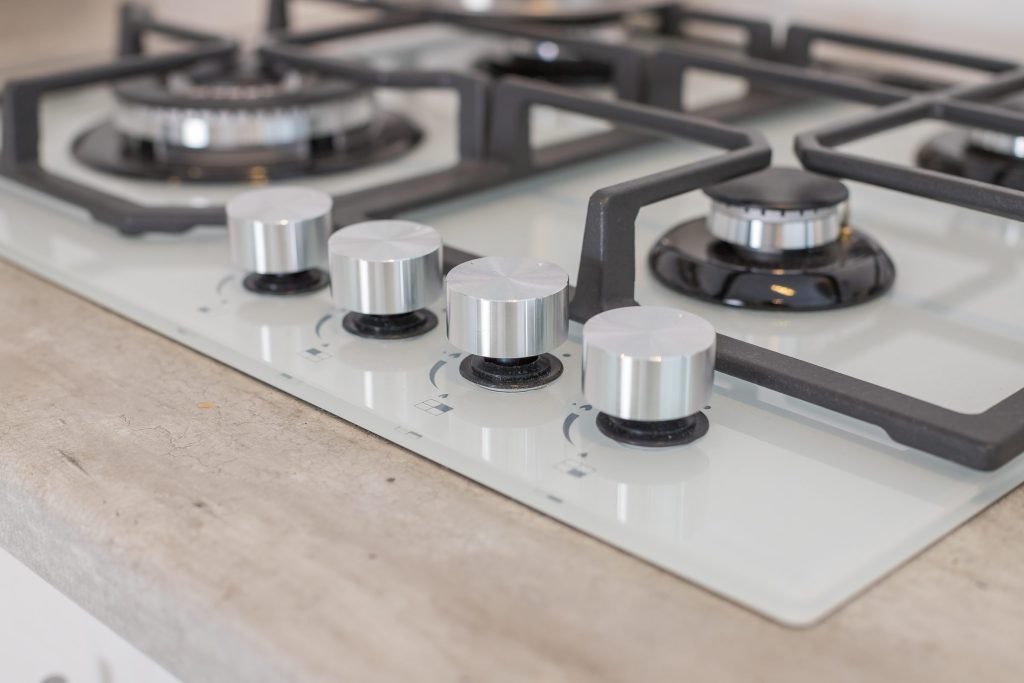
Usually cleaning, not parts Range burner will not light
A burner that clicks and clicks without catching, or one that lights and goes straight out. On a professional gas top most of these are a cap out of place or ports blocked after a boil-over.
- One burner clicking with no flame
- Every burner clicking at once
- A flame that lights then dies
-
Separate new from wrong Oven smoking or smelling
Smoke during a bake, a burning smell on first use, or an odor that has appeared since the last clean cycle. Most of it is what is in the oven rather than the oven itself.
- Smoke at normal baking temperatures
- A burning smell on a new appliance
- A smell that started after self-cleaning
What we do on it
Repairs we carry out on Thermador professional ranges
Starting figures for this equipment in South Florida. The exact cost is confirmed after an on-site diagnostic — and this is not the whole list of what can go wrong, so call if your problem is not here.
-
from $95 Diagnostic visit
We read the codes on site — including the ones a machine with no display blinks out — then test the circuit the code names before saying anything about the repair. The fee is credited toward the work when you go ahead.
- Codes and blink patterns read on site
- The circuit tested before a part is named
- Credited toward the repair
-
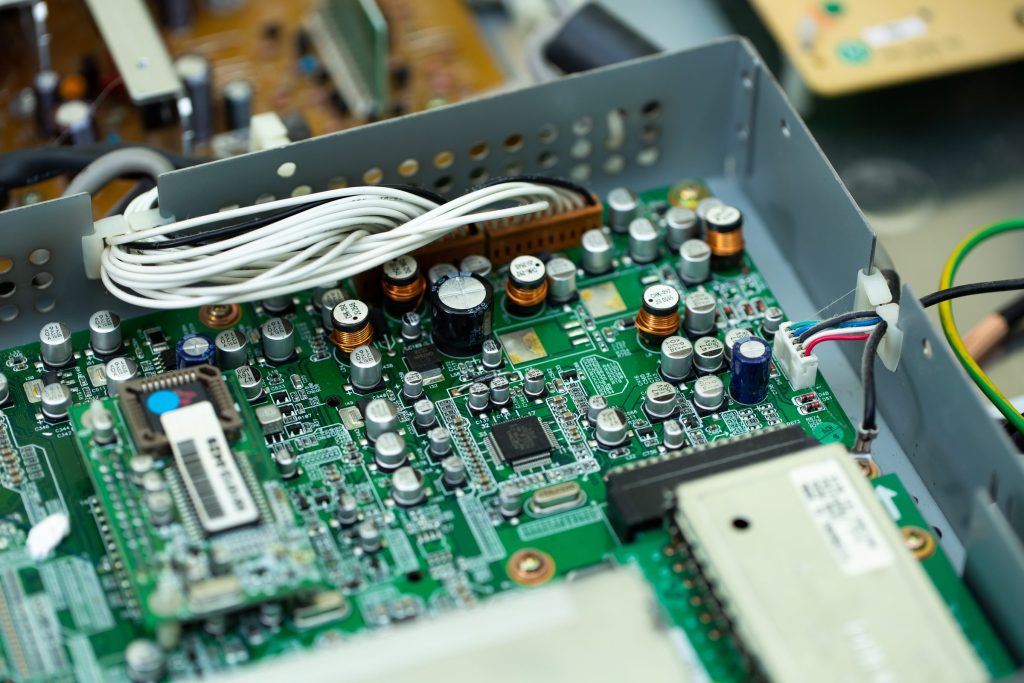
from $340 Control board replacement
A panel that does not respond, a board that fails its own memory check, or two boards that have stopped talking to each other. Tested before it is replaced, because boards are the most over-diagnosed part in this trade.
- E005, E009, E010, E309, E310 decoded
- The harness tested before the board is condemned
- Option code set after the swap, which is easy to miss
-
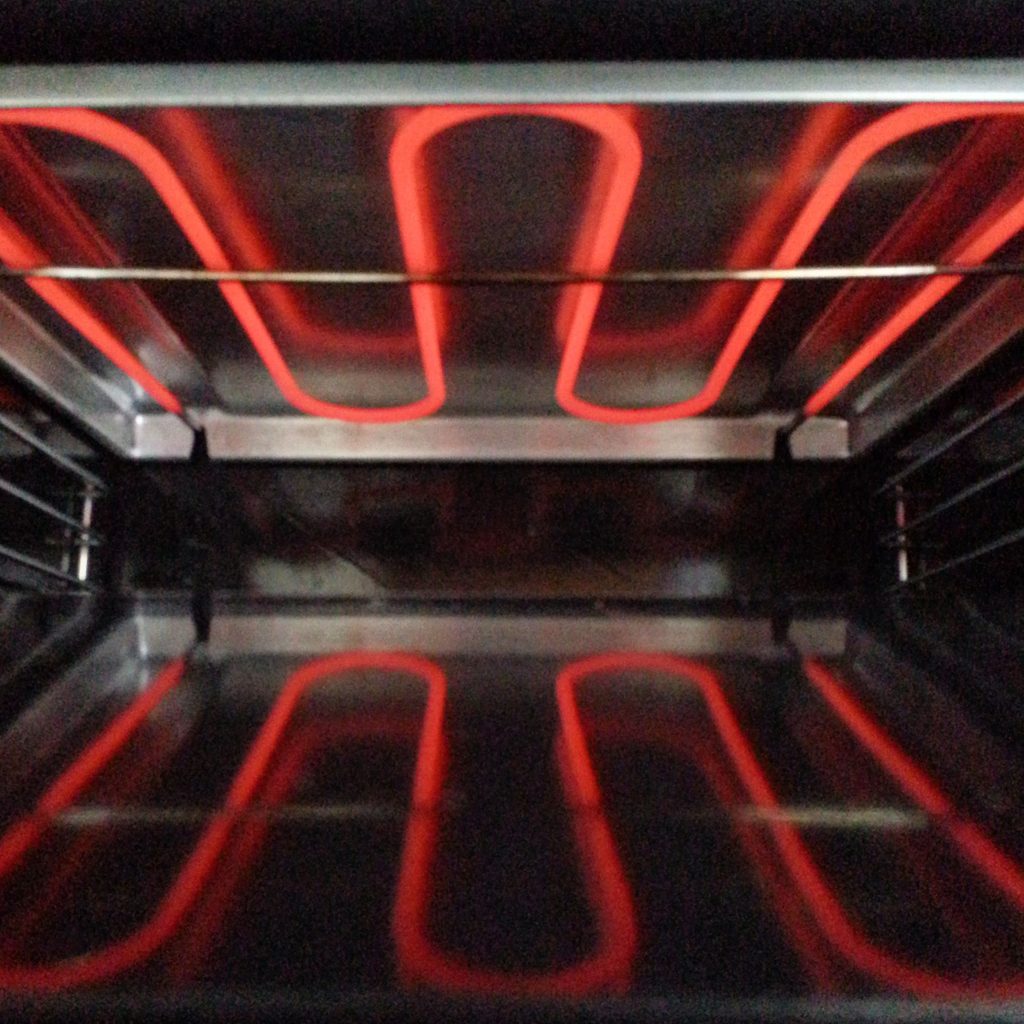
from $185 Oven element and sensor repair
An oven that will not heat, heats to the wrong temperature, or shuts itself down. The sensor and the element are two different repairs and the display usually says which.
- E101 and E104 — sensor open and sensor shorted
- E115, the one to take seriously
- Calibration checked against a thermometer, not a feeling
-
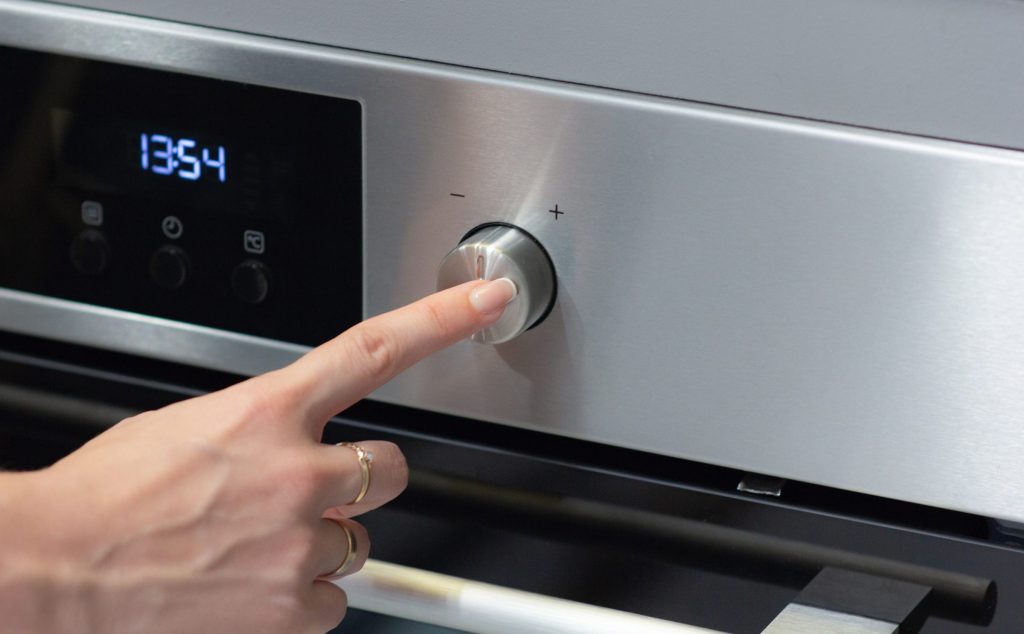
from $155 Oven door lock repair
A self-clean latch that will not lock, or worse, will not let go. Four published conditions belong to this one small assembly, which is why it has a page of its own.
- E106, E107, E126 and their lower-cavity twins
- The door opened without bending the frame
- The latch tested through a full cycle
-
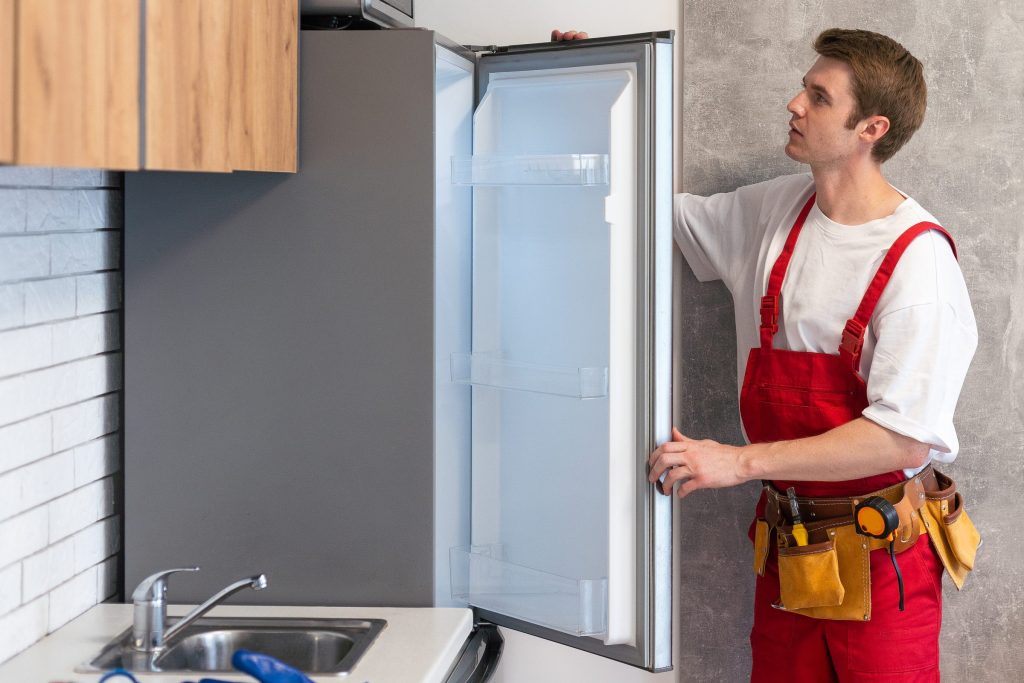
from $165 Door seal and hinge repair
A door that does not sit square, a seal that has gone hard, or a professional door that has dropped on its hinges. The same job across the kitchen, and on built-in equipment it is adjustment as much as parts.
- Seals tested with paper, not by eye
- Hinges adjusted rather than replaced where they can be
- Panelled doors reset to the cabinetry
-
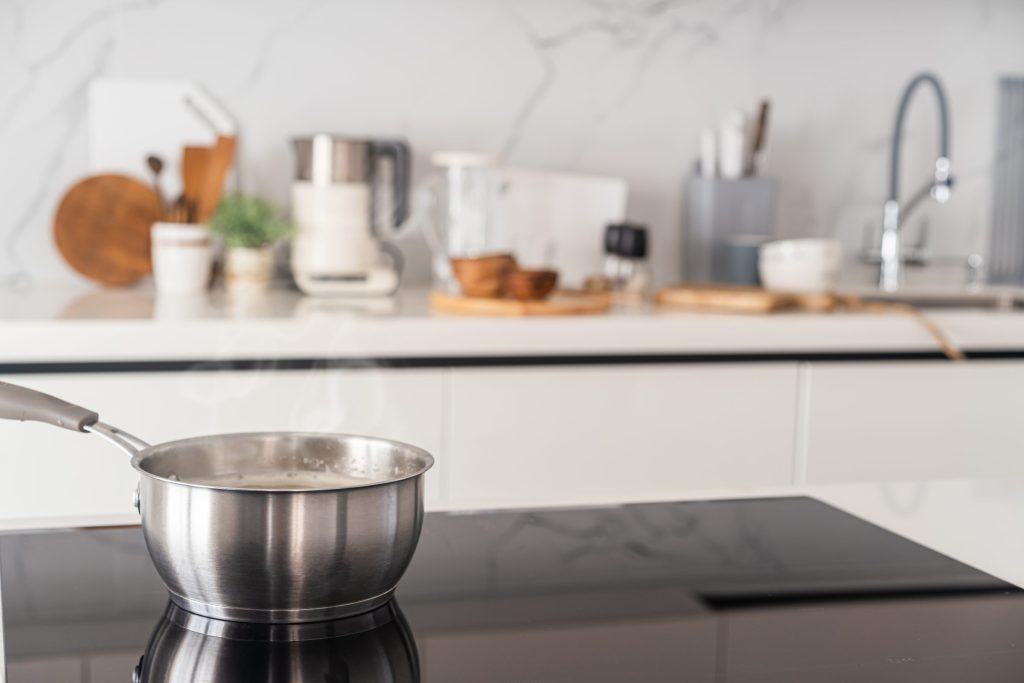
from $240 Cooktop and induction repair
A zone that stops mid-cook, a cooktop that will not recognize a pan, or a panel that has locked itself. Most induction calls are protections doing their job, and those cost the visit.
- F0, F1, F2, F4 and the E9000 supply condition
- Protections separated from failures before anything is ordered
- The wireless probe treated as its own device
-
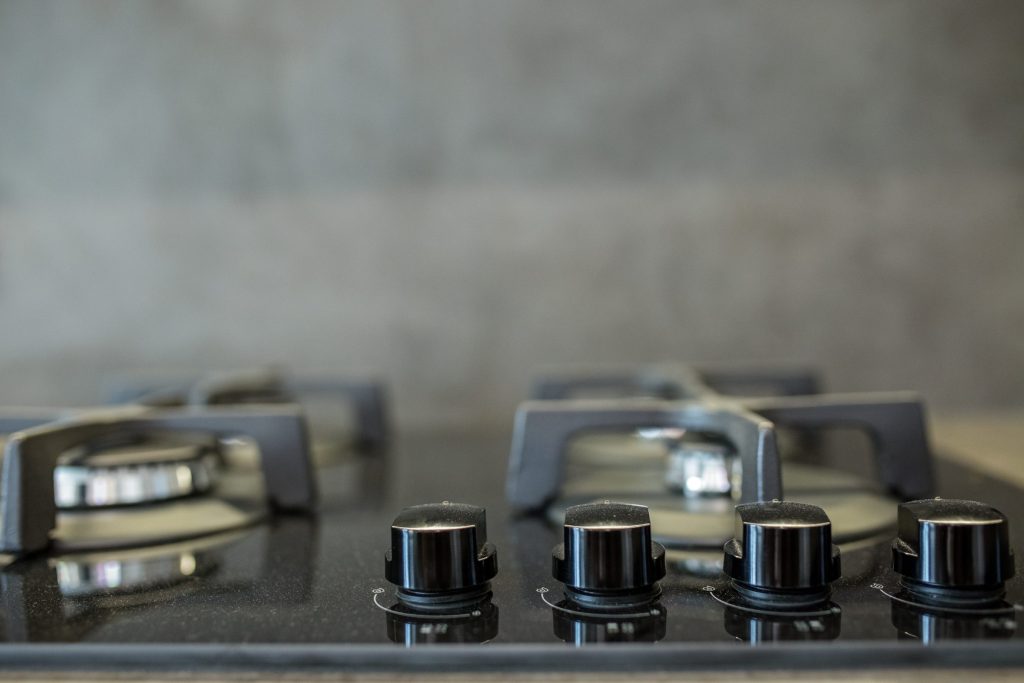
from $155 Gas burner and igniter repair
A burner that clicks and will not light, a flame that lifts off, or one Star Burner that has never been the same since a boil-over. Usually inexpensive parts and careful cleaning.
- Clicking, lifting and yellow flame each diagnosed separately
- Caps and ports cleaned and seated correctly
- Spark module and electrodes tested individually
-
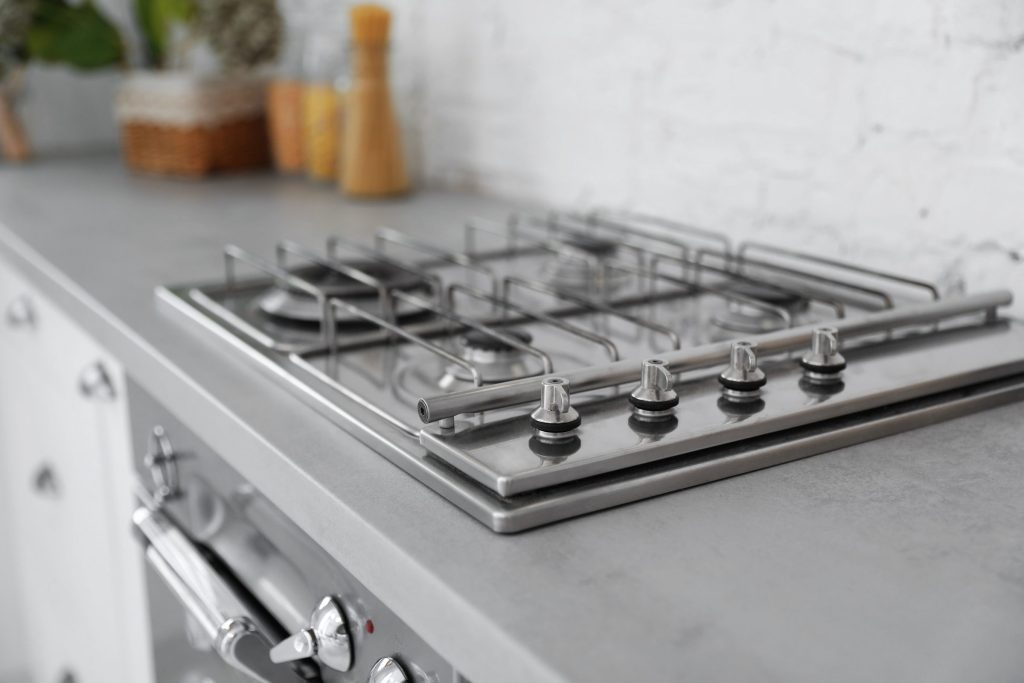
from $210 Professional range repair
A Pro Grand or Pro Harmony is a gas cooktop and an electric oven on one chassis, plus a griddle or a grill. That is two appliances' worth of failures behind one badge, and a diagnosis that has to say which half.
- Cooktop half and oven half diagnosed separately
- Griddle and grill treated as their own circuits
- The chassis worked around in place, not dragged out
-
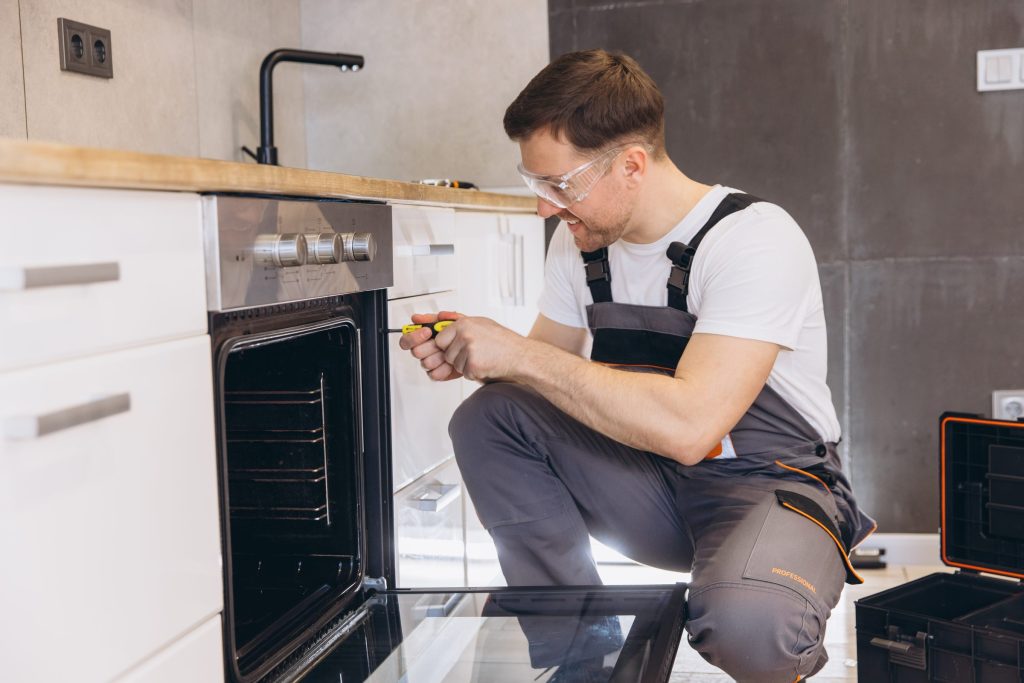
from $195 Installation
Built-in equipment fitted properly: clearances that let it shed heat, panels that line up with the cabinets, and the settings that only get made once.
- Clearances and ventilation done to specification
- Cabinet panels hung and aligned
- Water, gas and supply checked, not assumed
In more detail
About Thermador professional ranges
Dual fuel, all gas, induction — three ranges wearing one name
A Thermador Professional range comes as dual fuel, all gas, or with an induction surface, and the three share a cabinet and very little else. Telling us which you have, and whether the trouble is above or below the worktop, is most of the diagnosis.
What actually goes wrong
- A burner that clicks and will not light. Usually the cap sitting a fraction out of place after a clean; if the cap is true, the igniter for that burner has aged past lighting the gas and is replaced on its own.
- The oven not reaching temperature. On dual fuel that is an element, a sensor or the relay driving them. On all gas it is normally the oven igniter, still glowing long after it has stopped getting hot enough to open the gas valve — which is why an oven of that age lights sometimes.
- The griddle cold while the burners are fine. It has its own burner and its own thermostat under the plate, so it can be out on its own.
- An induction top on a Professional cabinet. Then the cooktop half is electronics rather than gas, and the questions are the ones on the cooktop page.
What to have ready when you call
The width, whether it is gas or dual fuel, and whether the trouble is above or below the worktop. Those three decide which parts ride in the van. A 48-inch range with a griddle in the middle is a different visit from a 30-inch all-gas, and both are called a Professional range.
This article is based on:
- Official manufacturer documentation
- Internal repair procedures
- Technician repair history
- Company quality standards
Before you book
Questions about thermador professional ranges
One burner clicks and clicks but never lights. The others are fine.
That is the igniter doing its job into thin air. Nine times out of ten the burner cap is sitting a fraction out of place after a clean, and seating it properly ends it. If the cap is right and it still will not catch, the igniter for that burner has aged past the point of lighting the gas, and it is replaced on its own rather than as part of the cooktop.
The cooktop works perfectly and the oven will not heat. Is that one problem or two?
Two, and on a dual-fuel range they have nothing in common. The top is gas and the oven is electric, so an oven that will not heat is an element, a sensor or the relay that drives them — none of which the burners touch. On an all-gas range it is usually the oven igniter, which still glows long after it has stopped getting hot enough to open the gas valve. That is why an oven of that age lights sometimes.
Is the griddle in the middle a separate thing to fix?
Yes. It has its own burner and its own thermostat under the plate, so it can be cold while every burner around it is fine. It is also the part most often reported as "the grill", which on this brand means the plate in the range rather than anything outdoors.
Where we do it
Across Miami-Dade, Broward, and Palm Beach
Same terms everywhere we go: an on-site diagnostic first, the price agreed in writing, and the exact figure confirmed once we have seen the unit.
Neighborhoods people ask for by name