Maintenance & Prevention
Clearing a Refrigerator Drain Line Before It Puts Water on Your Floor
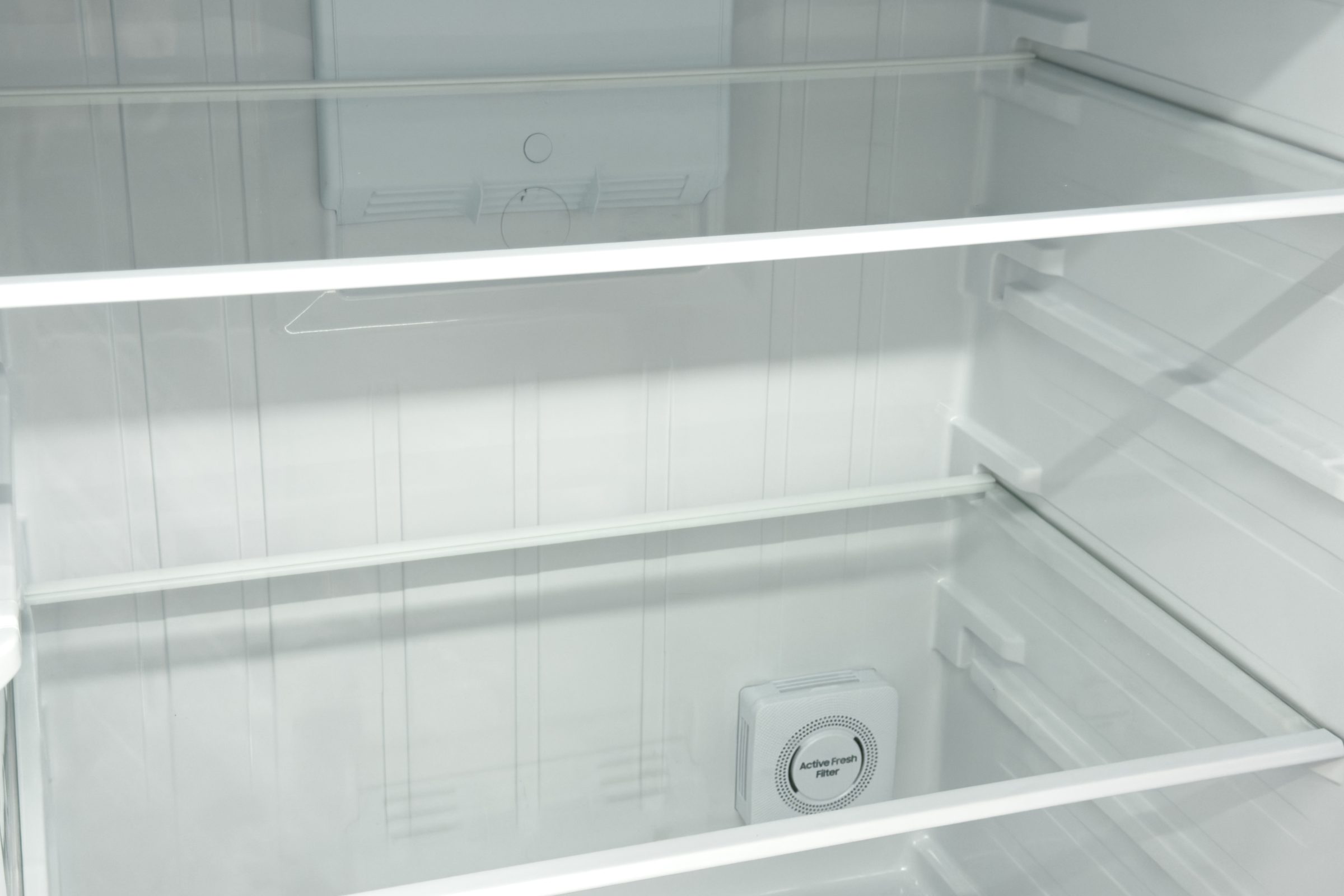
Find the drain hole at the base of the rear wall inside the cabinet, flush it with warm water from a turkey baster or a syringe, and follow with a soft flexible line — a length of aquarium tubing works — to dislodge the plug. Never use a metal wire or anything stiff: the tube is soft plastic and it sits alongside cooling components.
The full guide
What the drain does
Every cooling cabinet makes water. The evaporator collects frost, the defrost cycle melts it, and the melt water runs down a channel at the back of the compartment, through a small tube, into a pan near the compressor where the heat evaporates it away.
The tube is about the diameter of a pencil, it is cold, it is damp, and it never gets cleaned unless somebody decides to clean it. That is the whole story of this page.
The signs, and what each one means
- Water pooling under the crispers. The classic. Melt water reached the bottom of the compartment and stopped there.
- A sheet of ice under a freezer drawer. Same blockage, colder side. Melt water froze where it stood.
- A puddle in front of the column with the seal apparently fine. The channel overflowed and found its way forward.
- A smell that survives cleaning the cabinet. The drain and the pan grow their own colony.
One thing it is not: a leak. Nothing is escaping from the sealed system, and nothing is escaping from the water supply. This is water the appliance made on purpose and could not get rid of.
Clearing it
Empty the compartment and switch the cabinet off at its controls before you start. Give any ice in the channel time to melt — a hair dryer on low, held well back, speeds it up.
- Find the hole. At the base of the rear wall inside the cabinet, usually in a small molded channel. On a column with a covering panel, that panel lifts or unclips.
- Flush it. Warm water from a turkey baster or a large syringe. Watch for it appearing in the pan below; if it does, you are already done.
- If it does not run, feed a soft flexible tube in — aquarium tubing is ideal — and work it gently while flushing. What comes out is usually a gray plug of debris and biofilm.
- Finish with a flush of warm water and a little baking soda, then dry the channel.
- Empty and wipe the pan underneath if you can reach it on your model. On a built-in that is sometimes behind the grille and sometimes not accessible at all — do not force it.
Nothing stiff and nothing metal. Wire and straightened coat hangers puncture a soft tube that sits alongside cooling components, and that turns a ten-minute job into a repair nobody wants to quote for.
When it is not the drain
- Water on the floor and the drain runs clear — look at the door seal and the supply line to the ice maker and dispenser. Where a leak actually comes from.
- Frost building on the rear wall as well — the defrost cycle itself, rather than the drain that serves it. That is a repair.
- Water only after a hot day with the door opened often — the system doing more work than usual, which is normal in August.
Keeping it clear
Once a year, with the annual condenser clean, flush the drain with warm water. It takes ten minutes on top of a job you should be doing anyway, and it removes the single most common cause of water appearing inside a refrigeration cabinet.
While the panel is off, wipe the channel dry and look at the door seal folds. The three jobs live in the same afternoon and they prevent most of what we get called out for on healthy columns.
What a maintenance visit covers if you would rather it was done with the rest of the equipment at once.
If it turns out to be a repair
What this leads to, and what it costs
Every job on this site is priced the same way: an on-site diagnostic first, the figure agreed in writing before anybody starts.
-
Usually warm air getting in Frost or ice building up
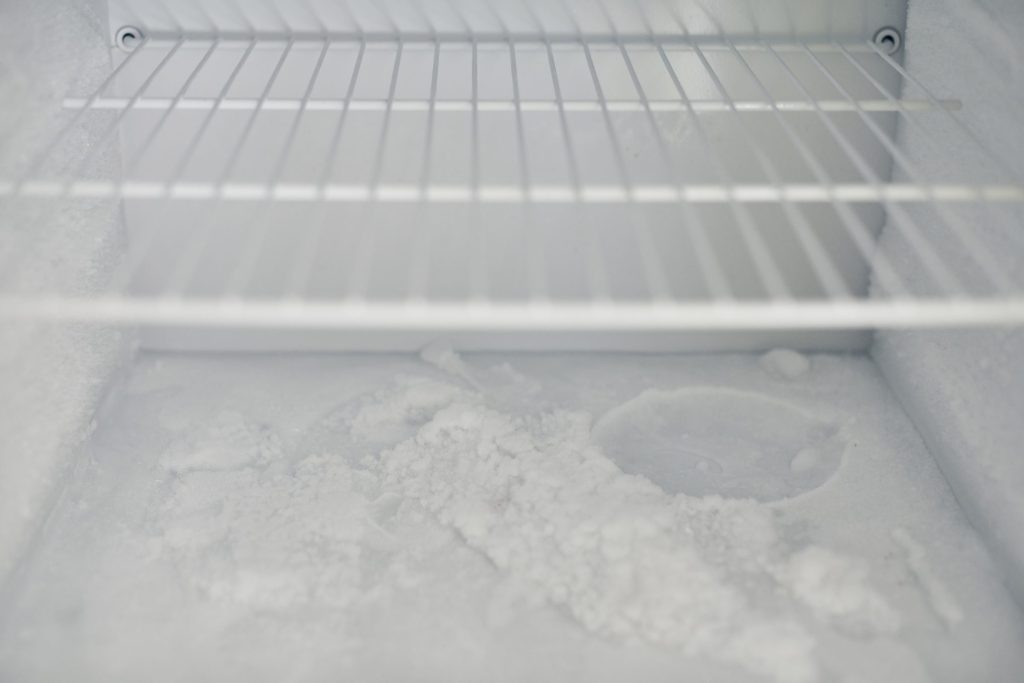
Ice on the back wall, frost on packages, or a drawer frozen into place. Frost is water that arrived from somewhere, and on a built-in column that is usually a door.
- Ice on the rear wall of the cabinet
- Frost on food and packaging
- A drawer that has frozen shut
-

from $280 Condenser and fan service
The single most useful thing anybody does to built-in refrigeration in this climate, and the one most often left undone until something expensive happens.
- Condenser cleaned properly, not blown around
- Fans tested for speed as well as movement
- Clearances checked against how it is built in
-
from $155 Descaling and maintenance
South Florida water is hard, and this platform publishes a code for scale in the heat pump. Descaling, filter changes and the checks that keep a $155 service from becoming a $245 assembly.
- E12 and E2060 — scale, published as a condition
- Water and air filters changed and registered
- Condenser and hood filters cleaned properly
-
Freedom columns · French door · Under-counter Built-in refrigerators & columns
A Freedom column is one cabinet holding one temperature — all refrigerator, no freezer in it — usually installed beside a freezer column as a matched pair behind panels that look like joinery. That makes the diagnosis cleaner and the access harder.
- Not holding temperature
- Frost or condensation inside the cabinet
- A door that no longer seals against its panel
Questions people ask about this
How do I know it is the drain?
Water collecting at the bottom of the refrigerator compartment, a sheet of ice under the freezer drawer, or a puddle appearing in front of the column with the door seal apparently fine. All three are melt water that could not leave.
Can I pour boiling water down it?
Warm rather than boiling. The tube is soft plastic and the components around it are not designed for boiling water. Warm water and patience clears the same blockages without the risk.
What blocks it?
A mix of food debris and the biofilm that grows in a cold damp tube, sometimes finished off by a plug of ice. On a cabinet with an odor problem, the drain and the pan under it are usually part of the story.
There is water in the pan underneath. Is that normal?
Yes. The pan is where melt water goes to evaporate, and finding it wet is the system working. A pan that overflows is a different matter, and it usually means far more water is arriving than the design expects.
It keeps blocking.
Then something upstream is producing more debris or more water than it should — a door that is not sealing, a defrost cycle running long, or food packed against the vents. Repeated blockages are a symptom rather than a habit.
Maintenance & Prevention
More guides like this one
-
Changing a Thermador Water Filter — and Making the Symbol Stop Flashing
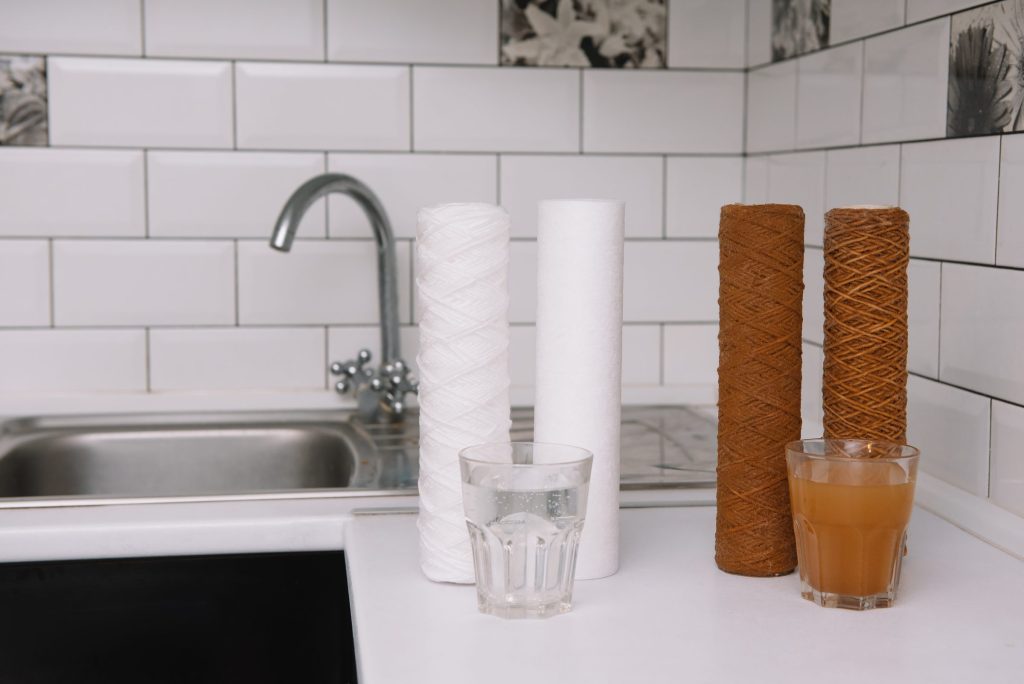
The most searched question about this brand's refrigeration, and the answer is three seconds on two buttons. The full version: which filter, where it lives, why the reminder is a counter rather than a measurement, and the odor filter nobody knows about.
Read more -
How Often Built-In Refrigeration Needs Servicing in South Florida
The manual is written for the country. This is written for a climate where a condenser furs up faster and a compressor never gets a cool night off — a yearly schedule for columns, with what you can do and what needs a visit.
Read more -
Cleaning a Thermador Oven Without Running Self-Clean
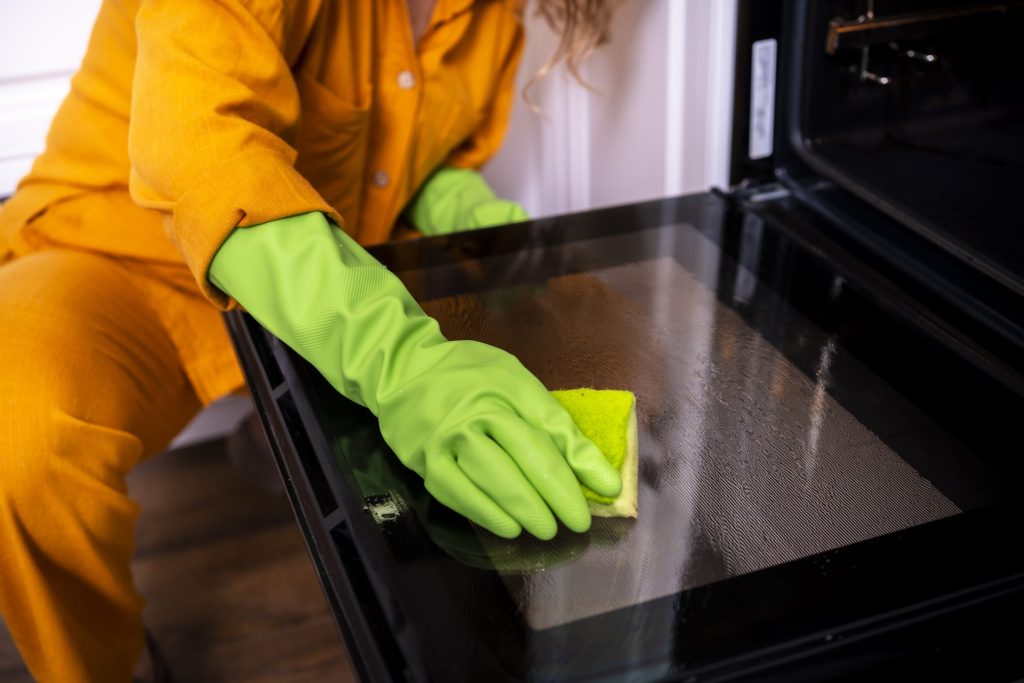
Self-clean is the cycle that most often produces a service call afterwards — a seized latch, a tripped cutout, ash smelling on the next bake. How to clean these ovens without it, and how to run it safely on the occasions you do.
Read more
Tell us the model number and what it is doing.
This article is based on:
- Official manufacturer documentation
- Internal repair procedures
- Technician repair history
- Company quality standards