
Service
Thermador wine column repair
A zone that will not hold its temperature, condensation on the glass, or a cabinet that has started running constantly. Dual-zone storage has more to go wrong than a refrigerator and different consequences when it does.
- From $95 diagnostic, credited to the repair
- 59 cities and neighborhoods covered
- OEM parts available on order
- In writing the price, before anything is opened
Before you read on
What this job costs and how it is agreed
A starting figure, not a quote. What moves it is the model, how the unit is built in and which part it needs — settled after the on-site diagnostic.
Starts at
from $210
After a diagnostic from $95, which comes off the bill when you go ahead.
or call (305) 846-7685
Diagnostic
From $95, credited to the repair
The price
In writing, before anything is opened
Warranty
On the labor we performed
On the visit
How this visit actually goes
The same order every time, so nothing is opened and nothing is charged before you have seen the figure and said yes.
-
01
Which zone, and by how much
A dual-zone cabinet where one side drifts and the other holds points somewhere quite different from one where both drift.
-
02
Seal and door first
Glass doors, heavier than they look, and anti-condensation heating that has its own way of failing. Condensation is usually a door question before it is a cooling question.
-
03
Then the cooling
Thermoelectric and compressor cabinets fail differently and are priced differently. We say which yours is.
-
04
Look at what wine cares about
Stability rather than a number, vibration, and light. A cabinet holding two degrees off but steady is a different problem from one that swings.
Applies to
The Thermador units we carry this work out on
-
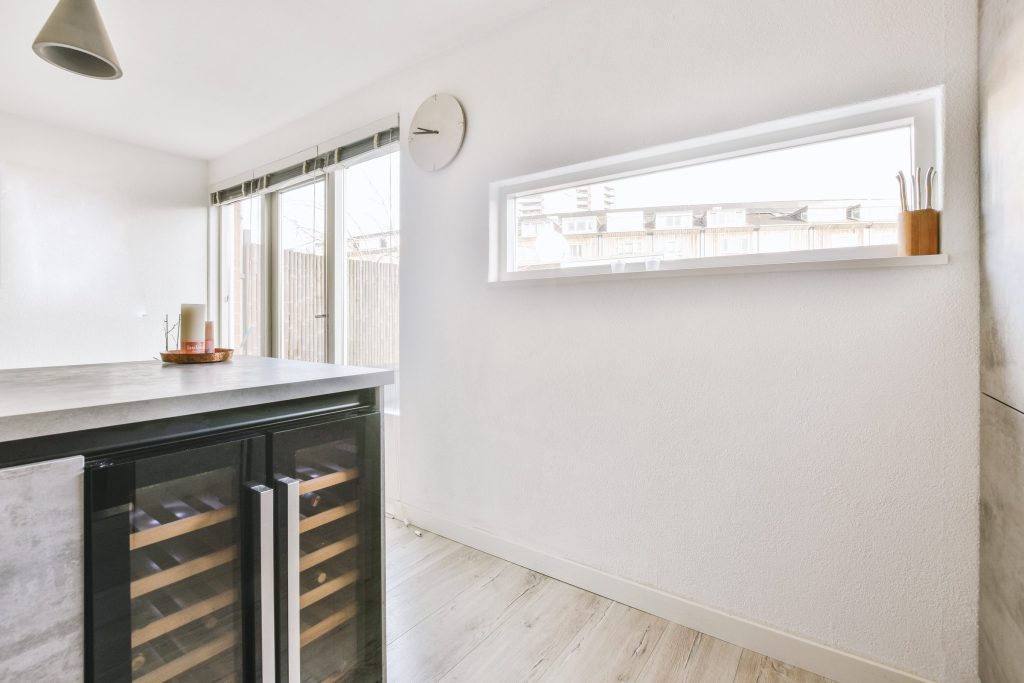
Under-counter · Glass door · Two zones Thermador wine reserve repair in Miami
An undercounter reserve with a glass door and two temperature zones, built under a worktop rather than standing in a run. The glass door is a working part of the cabinet rather than a window, and a surprising share of what goes wrong is about it.
- Temperature drifting or swinging between zones
- Condensation on the inside of the glass
- A compressor that runs and runs
In more detail
About Thermador wine column repair
Storage, not refrigeration
A wine column is asked to do something a refrigerator is not: hold a steady temperature in two zones, without vibration, without light, and without drying corks out. That means more components — dampers, zone sensors, anti-condensation heating in a glass door — and it means the useful question is stability rather than whether the number on the display is right.
What we see most
- One zone drifting while the other holds, which points at a damper, a fan or a sensor
- Condensation on the glass, usually a seal or the door's own heating
- Cabinets in unconditioned rooms being asked to do more than they were designed for
- Vibration that nobody notices until the wine is poured
What decides the figure
Whether it is a zone component or the cooling system, and whether the cabinet is a built-in column or an undercounter reserve.
This article is based on:
- Official manufacturer documentation
- Internal repair procedures
- Technician repair history
- Company quality standards
Before you book
Questions about thermador wine column repair
One zone is fine and the other is warm.
That is useful — it usually rules out the compressor and points at the damper, the fan or the sensor for that zone. It also means the wine in the working half is safe while you decide.
There is condensation on the inside of the glass.
Normally a door or humidity issue rather than a cooling one: the seal, the door not sitting square, or the anti-condensation heating in the frame. In a Miami summer, a cabinet in an unconditioned room will do it regardless.
Is a fluctuating temperature actually bad for the wine?
More than a slightly wrong one. Wine tolerates being a couple of degrees off far better than it tolerates swinging back and forth, which is why we look at stability rather than only at the display.
Where we do it
Across Miami-Dade, Broward, and Palm Beach
Same terms everywhere we go: an on-site diagnostic first, the price agreed in writing, and the exact figure confirmed once we have seen the unit.
Neighborhoods people ask for by name