Appliance
Thermador wine reserves
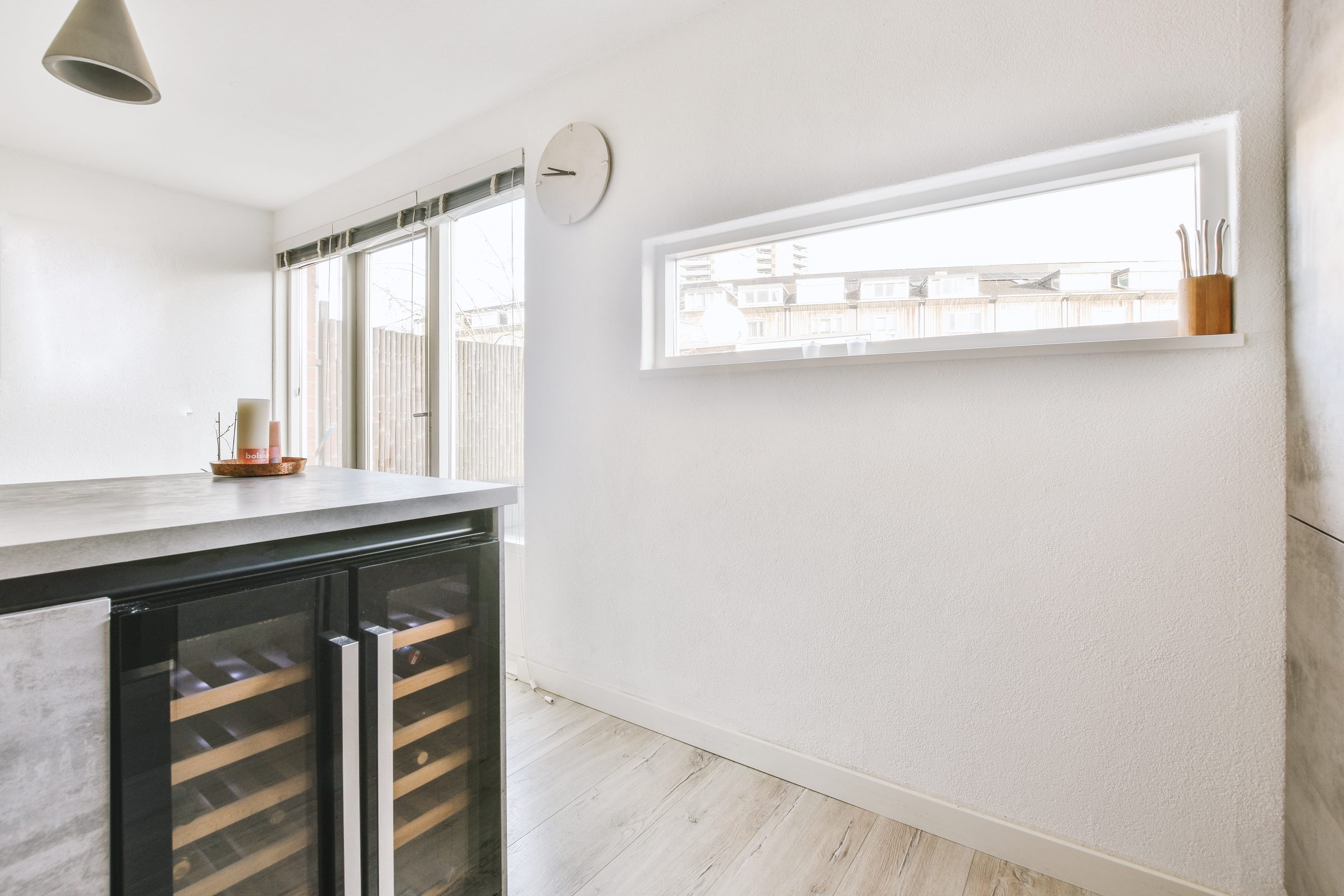
An undercounter reserve with a glass door and two temperature zones, built under a worktop rather than standing in a run. The glass door is a working part of the cabinet rather than a window, and a surprising share of what goes wrong is about it.
- 2 symptoms we are called out to
- From $95 diagnostic, credited to the repair
- 59 cities and neighborhoods covered
- OEM parts available on order
The short version
What this equipment is, for a repair
Configurations
Under-counter · Glass door · Two zones
Access
Planned before the visit, not discovered on arrival
Parts
OEM, available on order
Diagnostic
From $95, credited to the repair
What goes wrong with it
Symptoms we are called out to on Thermador wine reserves
Each one covers the likely causes in the order they are worth checking, and what to do in five minutes before booking anything.
-
The alarm is the code Refrigeration alarm sounding
A column beeping with the alarm symbol lit, or a door signal that will not clear. Each alarm means something specific, and one of them is holding a number you will want before you silence it.
- Temperature flashing with an alarm symbol
- A continuous tone with the door signal
- An alarm that returns after being cleared
-
Stability matters more Wine column not holding temperature
One zone drifting while the other holds, condensation on the glass, or a cabinet that has started running constantly. With wine, steadiness matters more than the exact number.
- One zone warm, the other correct
- Condensation inside the glass door
- Temperature swinging rather than steady
What we do on it
Repairs we carry out on Thermador wine reserves
Starting figures for this equipment in South Florida. The exact cost is confirmed after an on-site diagnostic — and this is not the whole list of what can go wrong, so call if your problem is not here.
-
from $95 Diagnostic visit
We read the codes on site — including the ones a machine with no display blinks out — then test the circuit the code names before saying anything about the repair. The fee is credited toward the work when you go ahead.
- Codes and blink patterns read on site
- The circuit tested before a part is named
- Credited toward the repair
-
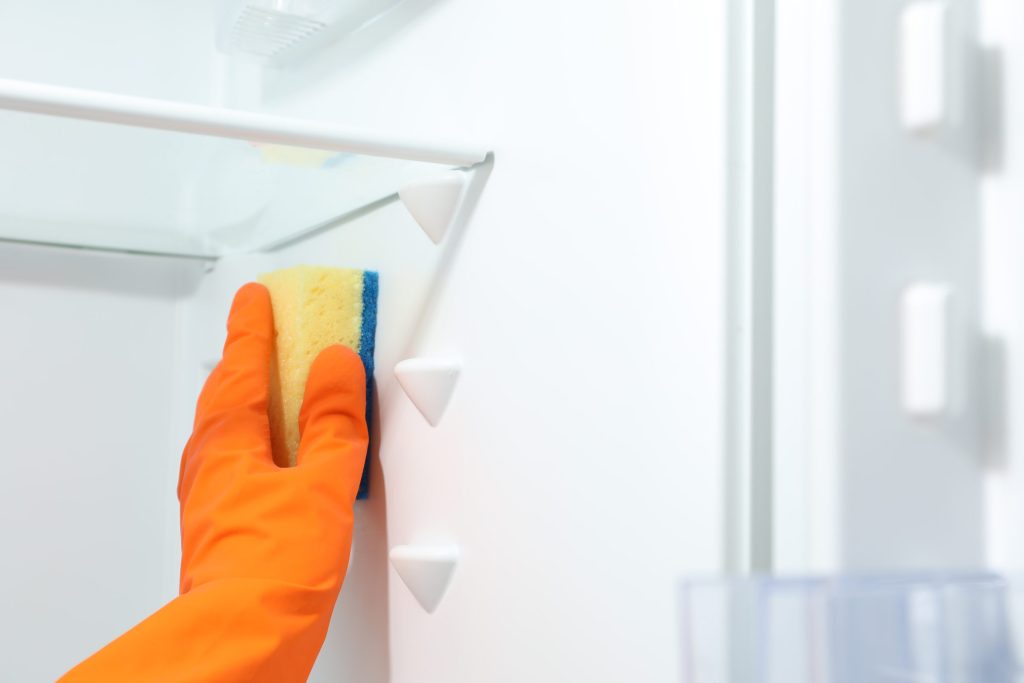
from $155 Descaling and maintenance
South Florida water is hard, and this platform publishes a code for scale in the heat pump. Descaling, filter changes and the checks that keep a $155 service from becoming a $245 assembly.
- E12 and E2060 — scale, published as a condition
- Water and air filters changed and registered
- Condenser and hood filters cleaned properly
-
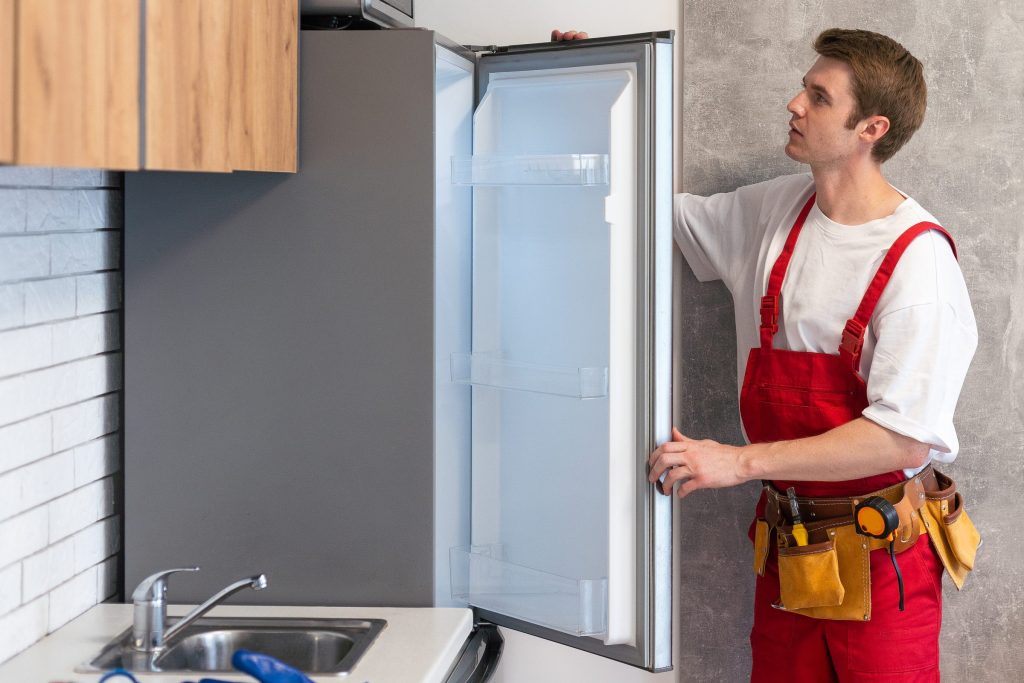
from $165 Door seal and hinge repair
A door that does not sit square, a seal that has gone hard, or a professional door that has dropped on its hinges. The same job across the kitchen, and on built-in equipment it is adjustment as much as parts.
- Seals tested with paper, not by eye
- Hinges adjusted rather than replaced where they can be
- Panelled doors reset to the cabinetry
-

from $1,200 Refrigeration sealed system repair
A column that runs constantly and never reaches temperature. The most expensive thing on this site, and the one where the honest conversation about repair against replacement matters most.
- Diagnosed properly before the word "leak" is used
- The cheap causes ruled out first, every time
- Repair against replacement, said plainly
-

from $280 Condenser and fan service
The single most useful thing anybody does to built-in refrigeration in this climate, and the one most often left undone until something expensive happens.
- Condenser cleaned properly, not blown around
- Fans tested for speed as well as movement
- Clearances checked against how it is built in
-
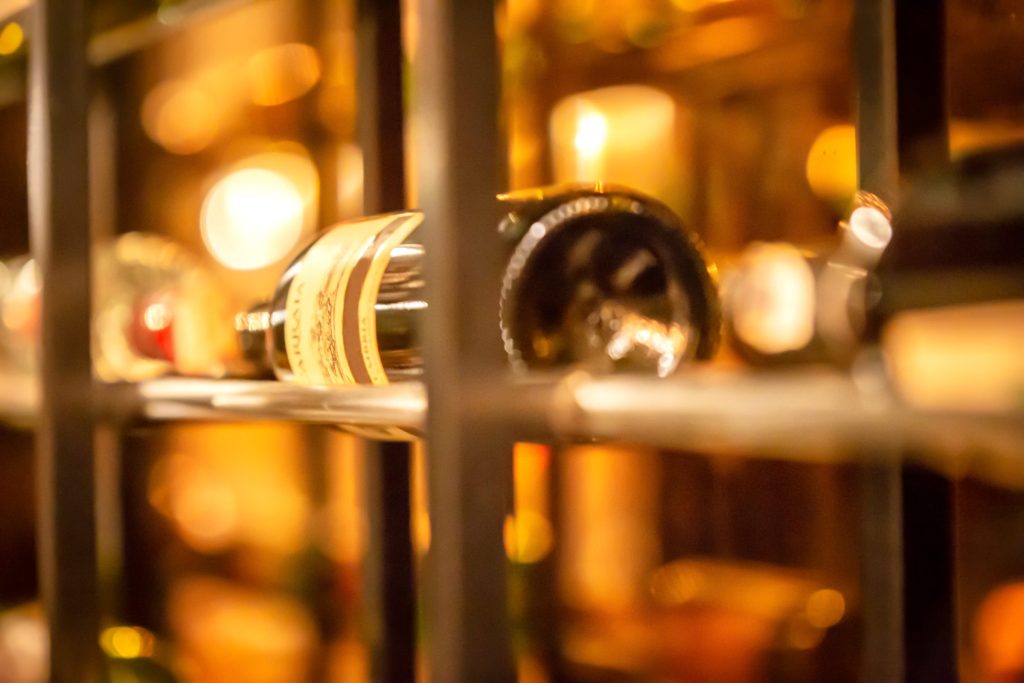
from $210 Wine column repair
A zone that will not hold its temperature, condensation on the glass, or a cabinet that has started running constantly. Dual-zone storage has more to go wrong than a refrigerator and different consequences when it does.
- Each zone diagnosed separately
- Condensation treated as a seal and airflow question
- Vibration and light checked, because they matter here
-
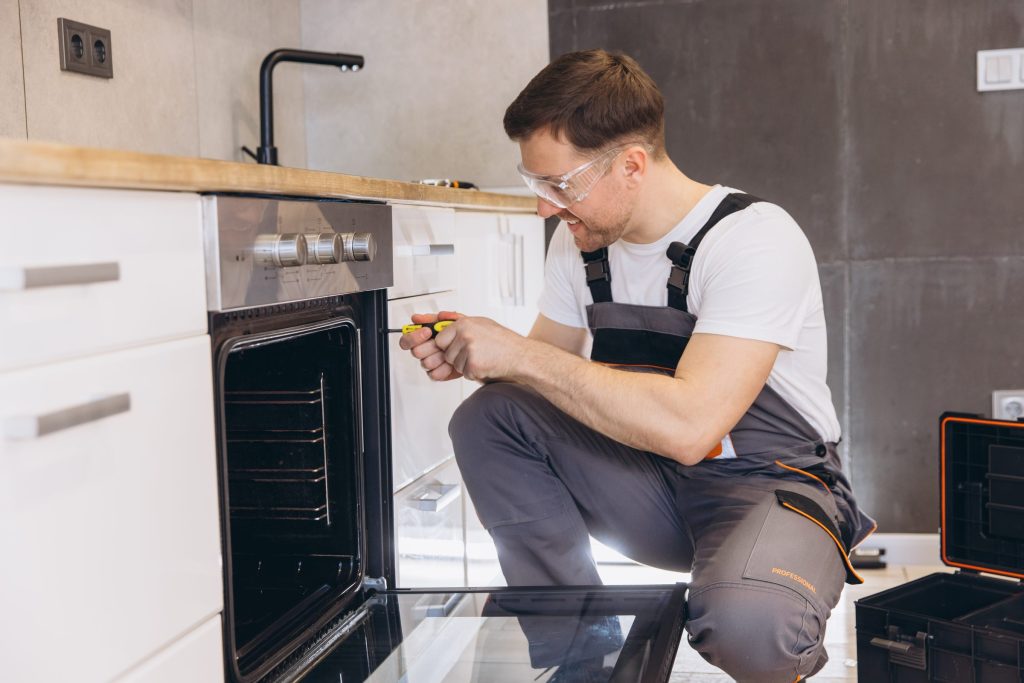
from $195 Installation
Built-in equipment fitted properly: clearances that let it shed heat, panels that line up with the cabinets, and the settings that only get made once.
- Clearances and ventilation done to specification
- Cabinet panels hung and aligned
- Water, gas and supply checked, not assumed
In more detail
About Thermador wine reserves
The door is doing more than you think
Glass, seal and a heater that keeps them clear. On a wine reserve those three explain more call-outs than the compressor does.
What actually goes wrong
- A zone that will not hold, or two zones drifting into one. Two temperatures in one cabinet is what this appliance is for, and the divider, the damper and the second sensor are what make it possible.
- Condensation on the inside of the glass. The glass is heated to prevent exactly that; when it stops being heated, the humidity in a Miami kitchen shows up immediately.
- A compressor that runs and runs. Usually the seal or the glass rather than the compressor, which is doing its best against a cabinet that keeps losing what it makes.
- Vibration and noise. Undercounter cabinets sit in joinery that can amplify what they do, and a unit that sounds new-loud is sometimes just newly boxed in.
Undercounter, and under a worktop that is doing its own work
A wine reserve is built under a counter rather than standing in a run, so its ventilation comes from a gap you cannot see. Anything stacked in front of the plinth, or a cabinet closed in at the back during a remodel, shows up first as a cabinet that cannot hold its cooler zone on a hot afternoon. It is worth checking before you book.
This article is based on:
- Official manufacturer documentation
- Internal repair procedures
- Technician repair history
- Company quality standards
Before you book
Questions about thermador wine reserves
The glass is fogging on the inside.
The door has a seal and, on most of these, a low-power heater around the glass whose whole job is to keep the surface just above the dew point. In a Miami summer, a failed heater or a tired seal shows up as fog within days. Both are cheaper than the cooling system people assume has gone.
One zone is right and the other is not.
Two zones means two sensors and a damper or a second evaporator between them, so one drifting while the other holds is a normal way for this to fail. It is also the version that is usually repairable without touching the sealed system.
It sits under the counter and runs constantly. Is that normal?
Under a worktop it takes the heat of everything above it and vents into a space that is often tighter than it should be. Constant running is worth checking the ventilation for before anything is opened — a blocked front grille is a real cause and a free fix.
Where we do it
Across Miami-Dade, Broward, and Palm Beach
Same terms everywhere we go: an on-site diagnostic first, the price agreed in writing, and the exact figure confirmed once we have seen the unit.
Neighborhoods people ask for by name